







Die besten Lernspiele fühlen sich nicht wie Lernen an. Kinder denken einfach, sie spielen – und üben dabei ganz nebenbei Lesen, Rechnen, kritisches Denken und Kommunikationsfähigkeit, ohne jemals ein Lehrbuch aufzuschlagen. Das ist der Clou: Lernen, das spielerisch daherkommt.
Ich habe jahrelang entworfen Escape-Room-Rätsel Spiele, die Problemlösungskompetenzen spielerisch vermitteln, funktionieren nach demselben Prinzip. Wenn die Herausforderung Spaß macht, strengen sich Kinder mehr an als bei Hausaufgaben. Hier sind 15 Lernspiele, geordnet nach ihren Inhalten.
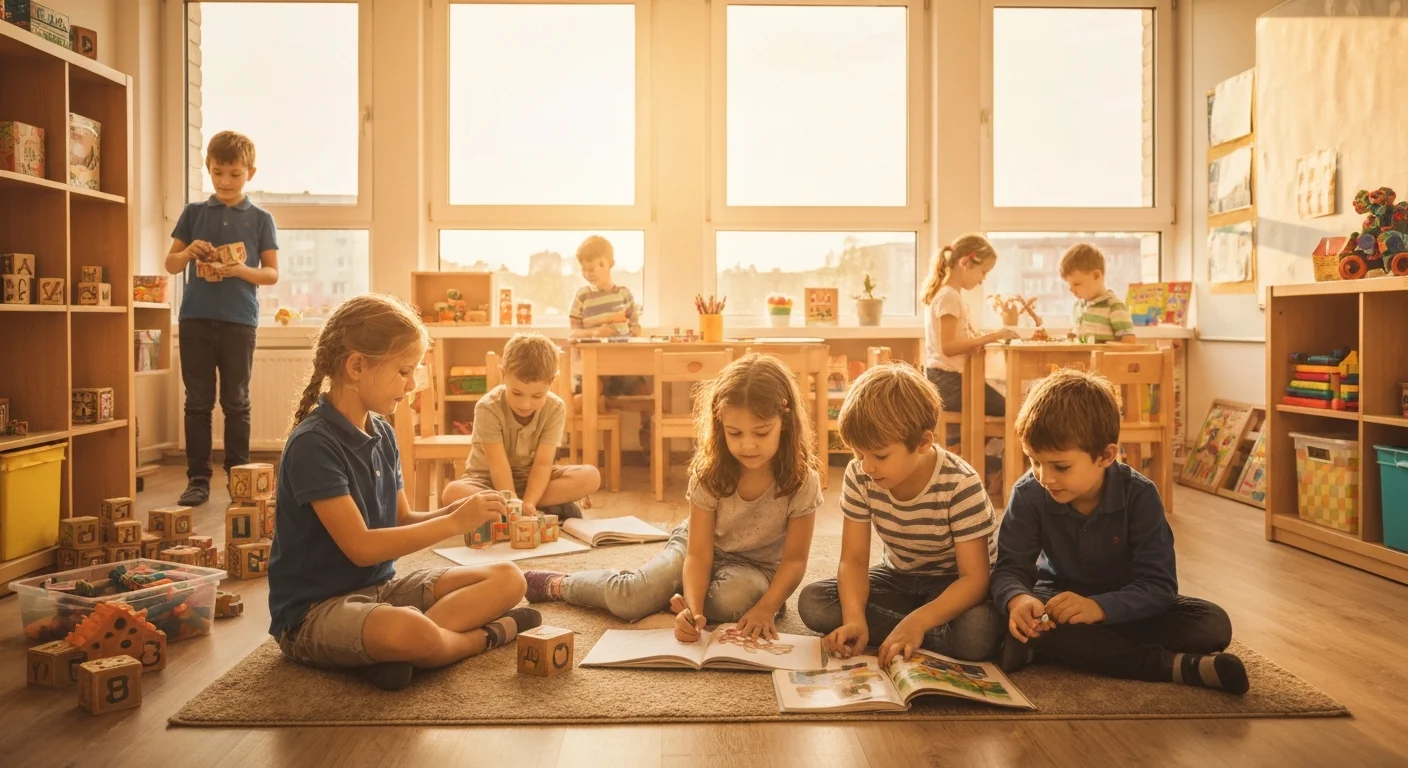
Lese- und Sprachspiele
Diese Spiele fördern Wortschatz, Rechtschreibung, Leseverständnis und Sprachgewandtheit – die Grundlagen für jeden akademischen Erfolg.
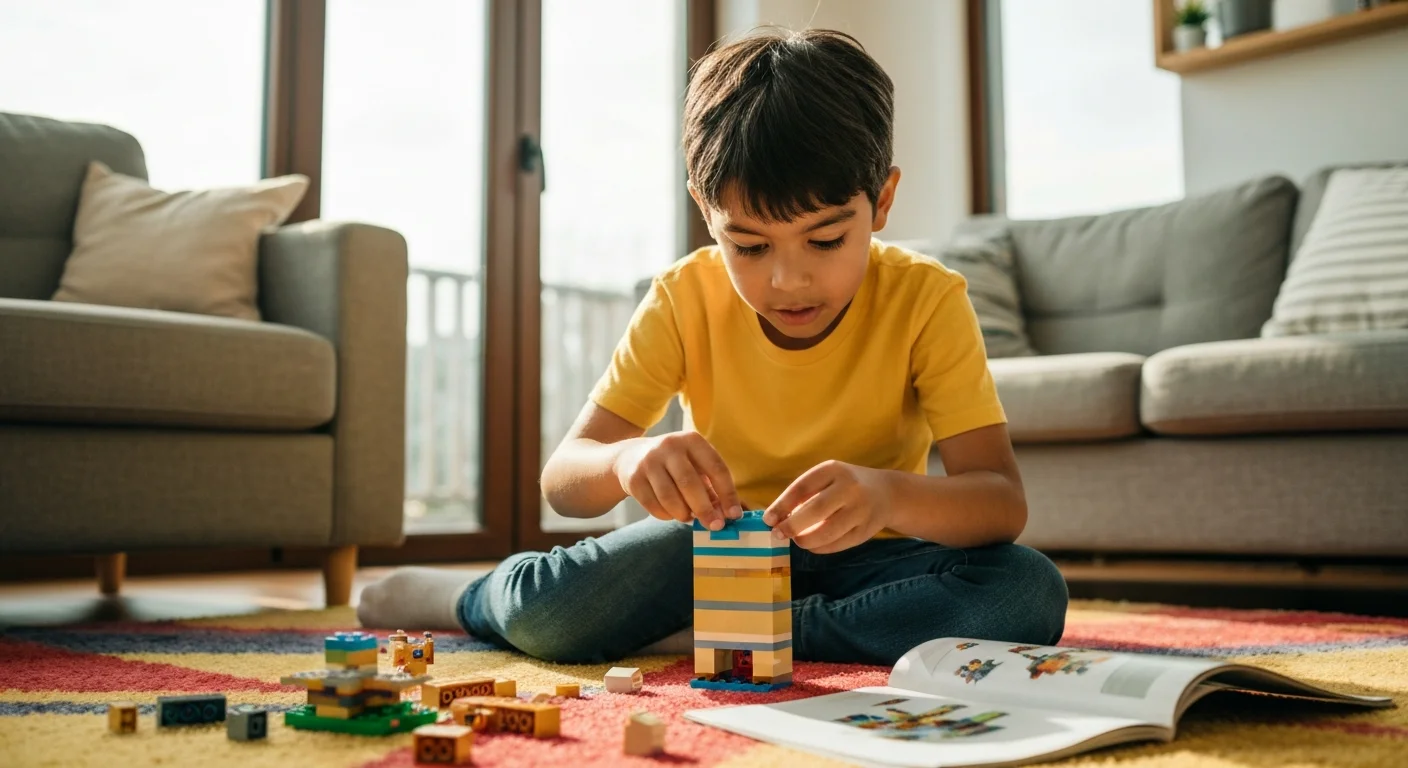
1. Wortdetektiv
Wählt eine Kategorie (Tiere, Essen, Länder) und einen Buchstaben. Jeder hat 60 Sekunden Zeit, so viele Wörter wie möglich aufzuschreiben, die mit diesem Buchstaben beginnen und zur Kategorie passen. Vergleicht die Listen – einzigartige Wörter bringen doppelte Punkte. Das erweitert den Wortschatz und trainiert das Wortverständnis unter Zeitdruck, was sich direkt positiv auf die Schreibflüssigkeit auswirkt.
2. Vokabelhinweise
Eine Person wählt ein Wort aus dem Wörterbuch und gibt immer genauere Hinweise, bis es jemand errät. Hinweis 1: “Es ist ein Nomen.” Hinweis 2: “Man kann es anfassen.” Hinweis 3: “Es hat Seiten.” Hinweis 4: “Man liest es.” Wer mit den wenigsten Hinweisen das richtige Wort findet, gewinnt. Kinder erweitern ihren Wortschatz, indem sie Wörter im Kontext hören, nicht durch Auswendiglernen.
3. Schilder-Durcheinander
Schreibe ein Wort auf ein Blatt Papier, schneide es in einzelne Buchstaben und mische sie. Die Kinder ordnen die Buchstaben neu an, um das Wort zu erraten. Beginne mit einfachen Wörtern mit vier Buchstaben für jüngere Kinder und steigere die Länge. In einer Gruppenversion kann man um die Wette dasselbe Wort entschlüsseln – wer es als Erster geschafft hat, ruft es laut. So wird Rechtschreibung durch Mustererkennung statt durch Auswendiglernen geübt.
4. Henker
Das klassische Buchstabierspiel mit Stift und Papier. Eine Person wählt ein Wort, zeichnet für jeden Buchstaben ein Feld, und die andere ruft die Buchstaben nacheinander. Falsche Vermutungen bedeuten, dass Körperteile an den Galgenmännchen gehängt werden. Kinder verinnerlichen so ganz nebenbei Buchstabenmuster (E ist der häufigste Buchstabe, auf Q folgt fast immer U). Für einen zusätzlichen Lerneffekt können Vokabeln aus dem aktuellen Schulthema verwendet werden.
5. Erzählkette
Jeder schreibt einen Satz zu einer Geschichte. Der Clou: Ein neues Wort aus einem “Wortglas” – einer Schüssel mit neuen oder schwierigen Wörtern auf Zetteln – kommt hinzu. Kinder lernen neue Wörter, indem sie sie in einem kreativen Kontext anwenden. So prägen sie sich am besten ein. Je lustiger die Geschichte, desto besser bleiben die Wörter im Gedächtnis.
Mathematik- und Zahlenspiele
Mathematikangst beginnt früh – aber Mathematikspiele beugen ihr vor, indem sie Zahlen spielerisch statt stressig erscheinen lassen.
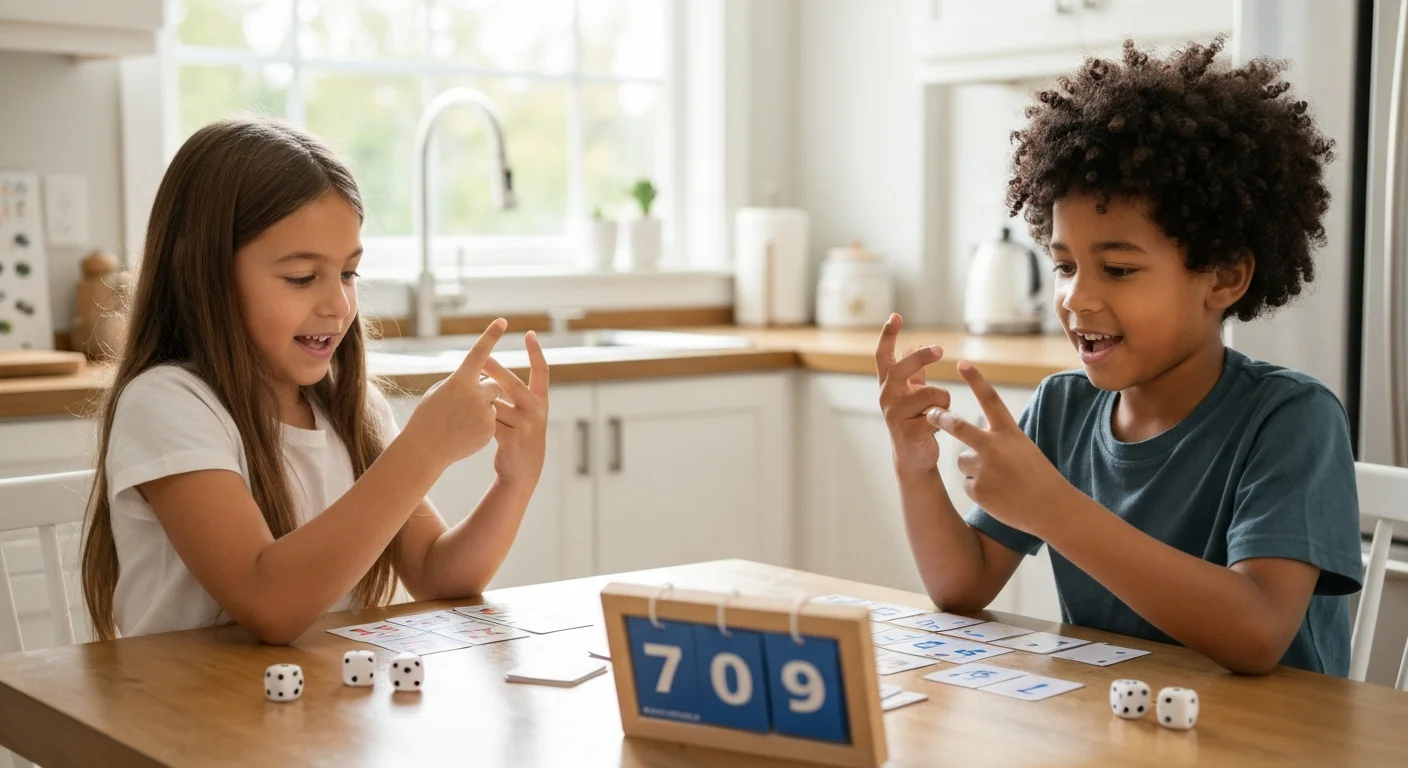
6. Gesamtsumme am Heck
Jeder beginnt mit 100 Punkten. Reihum würfelt jeder und zieht die Augenzahl von seinem Punktestand ab. Wer als Erster genau null Punkte erreicht, gewinnt – wer zu viel würfelt, bekommt wieder Punkte. Dieses Spiel fördert Subtraktion, Kopfrechnen und strategisches Denken (Würfeln oder lieber auf Nummer sicher gehen?). Ältere Kinder können mit zwei Würfeln multiplizieren statt subtrahieren.
7. Mathematik im Supermarkt
Richten Sie einen Spielladen mit Artikeln und Preisschildern ein. Geben Sie den Kindern Spielgeld und eine Einkaufsliste. Sie müssen alle Artikel auf der Liste kaufen, den Gesamtbetrag berechnen und sicherstellen, dass sie genug Geld haben. Für ältere Kinder können Sie Rabatte (“20% auf alle Obstsorten”) und Wechselgeld hinzufügen. So lernen die Kinder Mathematik spielerisch – und das lässt sich direkt auf den echten Supermarkt übertragen.
8. Schnitzeljagd zum Thema Messen
Man gibt Kindern ein Lineal oder Maßband und eine Liste mit Aufgaben: “Findet etwas, das genau 10 Zentimeter lang ist.” “Findet etwas, das höher als 1 Meter ist.” “Messt die Breite des Küchentisches.” So lernen sie Maßeinheiten durch praktische Erfahrung statt durch Abbildungen im Lehrbuch. Die Schnitzeljagd hält sie in Bewegung und motiviert.
Spiele zum kritischen Denken und zur Wissenschaft
Diese Spiele lehren Kinder, wie man beobachtet, Hypothesen aufstellt, testet und Schlussfolgerungen zieht – die wissenschaftliche Methode als Spiel verpackt.
9. Escape-Room-Herausforderung
A druckbaren Escape Room ist eines der umfassendsten Lernspiele auf dem Markt. In 45 bis 60 Minuten üben Kinder logisches Denken, Mustererkennung, Leseverständnis, Mathematik, Teamarbeit und kreative Problemlösung – alles eingebettet in eine fesselnde Geschichte.
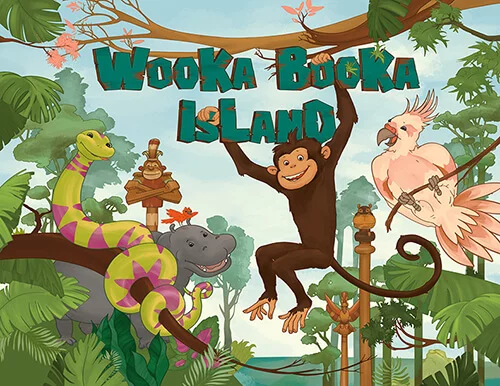
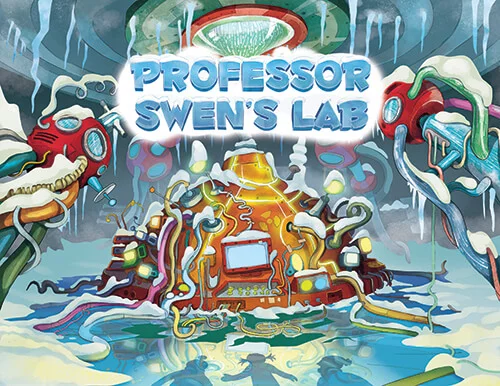
Wir haben Sets entwickelt, die von Pädagogen verwendet werden in Klassenzimmer: Wooka Booka Insel für Kinder von 5 bis 8 Jahren, Professor Swons Labor für Kinder und Jugendliche von 9 bis 13 Jahren (beinhaltet die Vermittlung von Kompetenzen im Bereich Innovation) und Projekt Dino Für Paläontologie und Geschichte. Lehrer und Eltern, die ihre Kinder zu Hause unterrichten, nutzen sie regelmäßig als zusätzliche Lernaktivitäten.
10. Ich sehe was, was du nicht siehst – Wissenschaftsausgabe
“Ich sehe was, was du nicht siehst” lässt sich mit wissenschaftlichen Beschreibungen aufwerten: “Ich sehe was, was du nicht siehst, das einmal gelebt hat” (ein Holzstuhl). “Ich sehe was, was du nicht siehst, das Strom leitet” (eine Metallgabel). “Ich sehe was, was du nicht siehst, das schwimmt” (ein Korken). Kinder lernen durch Beobachten und Diskutieren Materialeigenschaften, Grundlagen der Biologie und physikalische Konzepte kennen. Der “Aha”-Moment, wenn sie erkennen, dass Holz einmal ein Baum war – das ist echtes Lernen.
11. Künstler mit verbundenen Augen
Einem Spieler werden die Augen verbunden. Ein anderer Spieler beschreibt einen Gegenstand (ohne ihn zu benennen), während der Spieler mit verbundenen Augen versucht, ihn allein anhand der Beschreibung zu zeichnen. “Er ist unten rund, hat einen dünnen Stiel und flache Blätter oben” – es ist eine Blume. Dies fördert präzise Kommunikation (durch den Beschreiber) und Vorstellungskraft (durch den Zeichner). Beides sind wichtige Fähigkeiten für kritisches Denken, die sich auf andere Weise nur schwer trainieren lassen.
12. Sinken oder Schwimmen?
Füllt eine Wanne oder ein Becken mit Wasser. Sammelt Haushaltsgegenstände: eine Münze, einen Korken, eine Büroklammer, einen Apfel, einen Schwamm und eine Quietscheente. Bevor die Kinder jeden Gegenstand testen, vorhersagen sie: Wird er sinken oder schwimmen? Dann testen sie ihn. Dieses Vorgehen – Vorhersage, dann Test – entspricht der wissenschaftlichen Methode: Hypothese, Experiment, Ergebnis. Es ist die natürlichste Art, Kindern im Alter von 3 bis 7 Jahren wissenschaftliches Denken beizubringen.
Kreative und künstlerische Spiele
13. Pictionary
Zeichne ein Wort, während die anderen es erraten. Nutze dafür verschiedene Kategorien: Zeichne ein historisches Ereignis, ein naturwissenschaftliches Konzept, ein geografisches Merkmal oder ein Vokabelwort. Das visuelle Darstellen eines abstrakten Konzepts fördert das Verständnis viel stärker als das Lesen einer Definition. Und der Zeitdruck macht es spannend, anstatt es langweilig zu machen.
14. Bingo (Lehrversion)
Erstellen Sie Bingokarten mit Lerninhalten in jedem Feld – mathematische Gleichungen (die Kinder lösen, um die Zahl zu finden), Vokabeldefinitionen (die Kinder ordnen die Wörter zu), Länderflaggen oder Tiernamen. Es ist das gleiche beliebte Spielprinzip, aber jedes Feld erfordert ein wenig Nachdenken. Kostenlose Bingokartengeneratoren sind online verfügbar – passen Sie sie an jedes gewünschte Übungsfach an.
15. Bauen und Erklären
Man gibt Kindern Baumaterialien (Bausteine, Pappe, Klebeband) und die Aufgabe: “Baut etwas, das ein Problem löst.” Anschließend präsentieren sie ihre Kreation der Gruppe und erklären deren Funktionsweise. So werden ingenieurwissenschaftliches Denken (Bauen), kreatives Problemlösen (Entwerfen) und Kommunikationsfähigkeit (Präsentieren) miteinander verbunden. Im Grunde ist es ein Mini-Wissenschaftswettbewerb in 20 Minuten, und Kinder, die nicht gern schreiben, bauen und erzählen begeistert eine Stunde lang von ihren Erfindungen.
Weiterführende Literatur
Unsere spielfertigen Spiele-Sets
Ein Spiel auswählen, ausdrucken und spielen - so einfach ist das!
-
Professor Swons Labor
Ursprünglicher Preis war: $24.90$19.90Aktueller Preis ist: $19.90.Alter: 9-1345-60 Min.2-5 Kinder -

Lernen durch Spielen nachhaltig gestalten
Studien belegen immer wieder, dass Kinder schneller lernen und sich mehr merken, wenn sie aktiv mitwirken, anstatt Informationen passiv aufzunehmen. Spiele bieten diese aktive Beteiligung auf natürliche Weise – der Wettbewerb, die soziale Interaktion und der Spaß schaffen den emotionalen Rahmen, der das Lernen nachhaltig verankert.
Der Schlüssel liegt in der Regelmäßigkeit: Spielen Sie lieber regelmäßig ein oder zwei Lernspiele, anstatt zehn an einem Nachmittag zu absolvieren. Eine abendliche Runde Galgenmännchen mit Rechtschreibwörtern, eine wöchentliche Herausforderung im Escape Room oder ein tägliches Suchspiel fördern Fähigkeiten, die sich mit der Zeit positiv auswirken. Machen Sie es zur Routine, gestalten Sie es unterhaltsam, und die Noten werden sich verbessern.



Schreibe einen Kommentar