







Los niños aprenden a trabajar en equipo practicándolo, no escuchando hablar de ello. Se puede hablar de cooperación y comunicación todo el día, pero la lección se les queda grabada cuando intentan desesperadamente evitar que una torre se derrumbe mientras su compañero añade un bloque más, o cuando compiten con las piernas atadas a las de otra persona.
Estos 15 juegos de formación de equipos funcionan para aulas, grupos de scouts, equipos deportivos, fiestas de cumpleaños, y cualquier grupo de niños que necesiten aprender a trabajar juntos. Se organizan según la habilidad de trabajo en equipo que desarrollan, porque los mejores juegos para fomentar el trabajo en equipo enseñan algo específico sin que nadie se dé cuenta de que están aprendiendo.
Juegos de comunicación
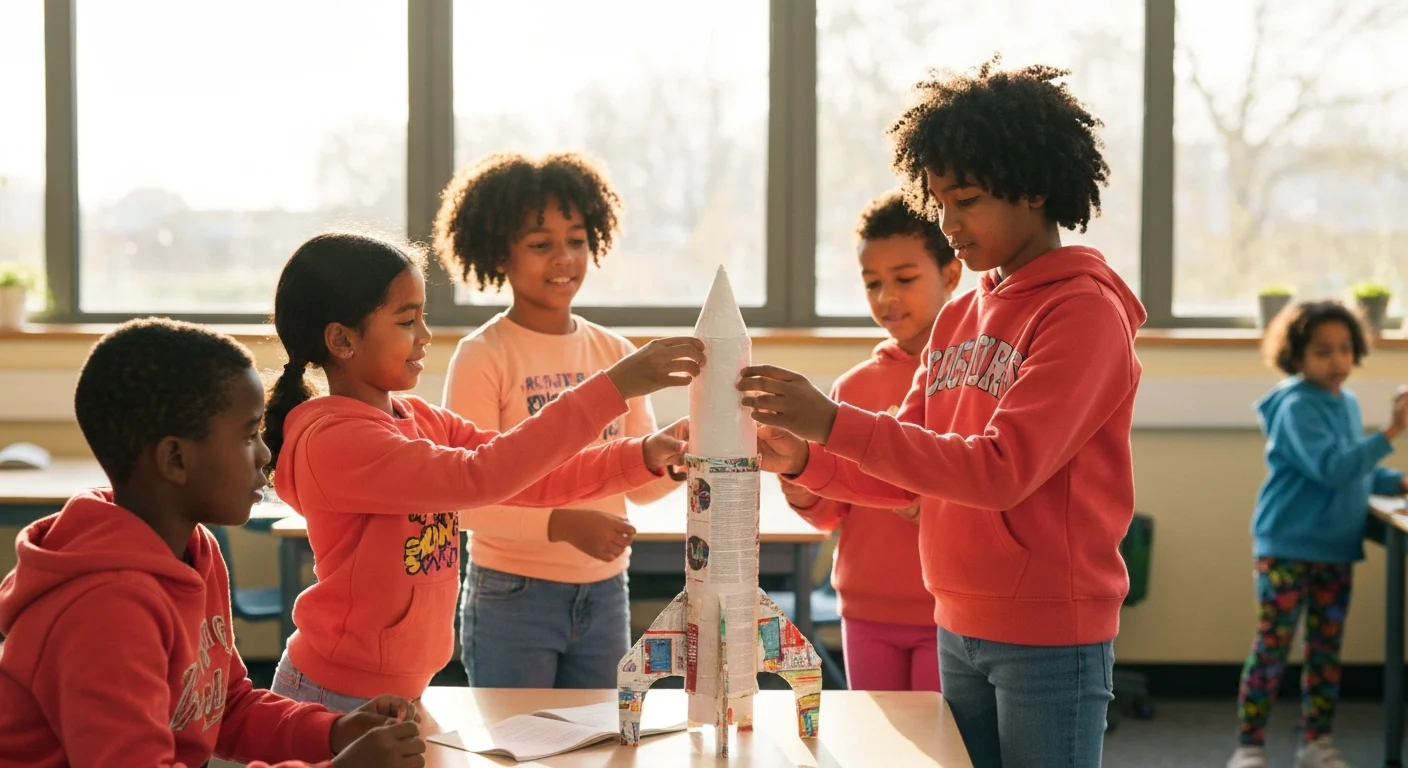
La habilidad más importante para el trabajo en equipo es la comunicación, y en estos juegos es imposible ganar sin hablar, escuchar y ser claros.
1. Caminata de confianza
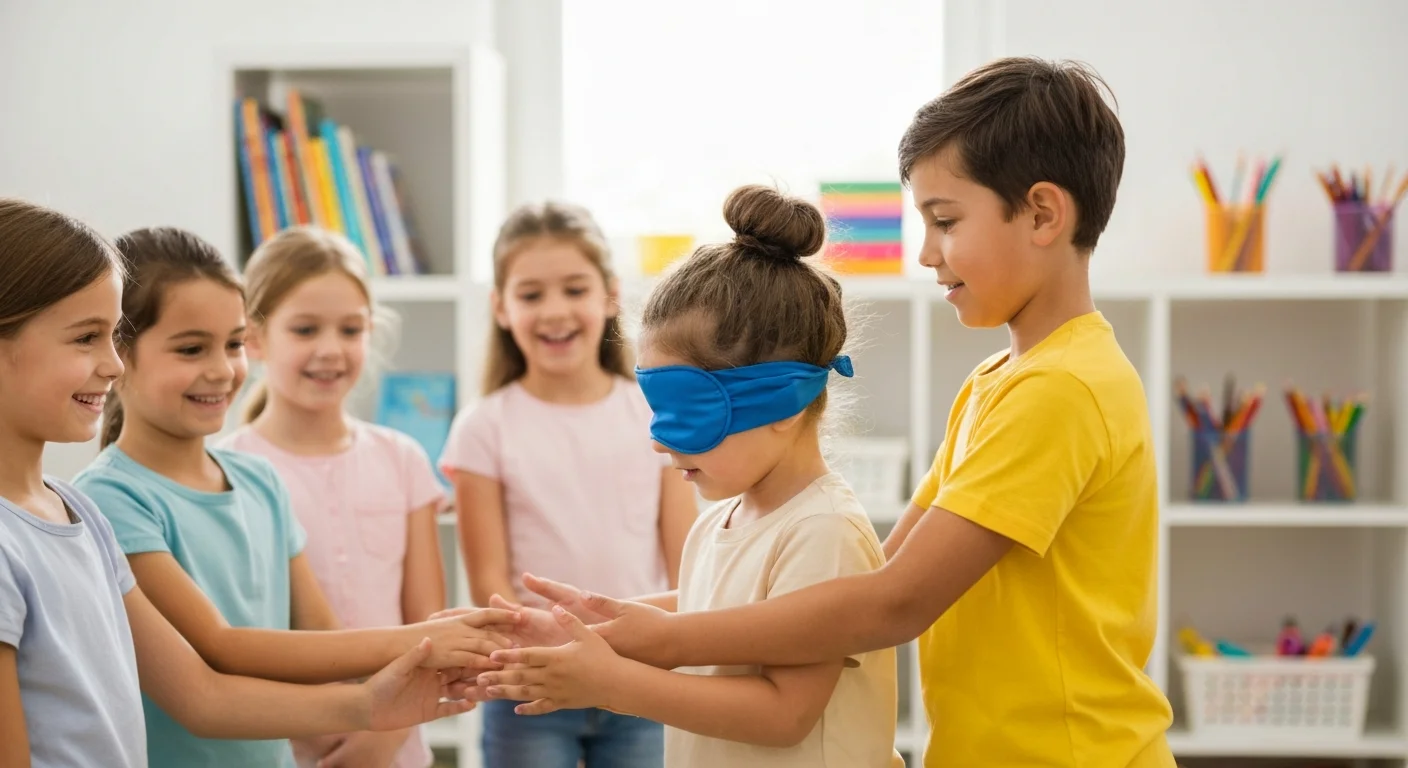
Formen parejas de niños. Uno lleva los ojos vendados. El otro los guía a través de una carrera de obstáculos usando solo instrucciones verbales: “dos pasos adelante”, “gira a la derecha”, “agáchate”. Luego, intercambien roles. Esto enseña comunicación precisa (el guía), escucha activa (el caminante) y confianza (ambos). Las parejas que mejor se comunican terminan más rápido. Las que no chocan con las sillas.
2. Puntos en la frente
Coloca una pegatina de un punto de color en la frente de cada niño; no pueden ver su propio color. Sin hablar, tienen que organizarse en grupos según su color. La única forma de hacerlo es mediante la comunicación no verbal: señalando, gesticulando, mirando a los ojos. Esto les enseña a los niños que la comunicación no se limita a las palabras, y ver cómo lo descubren es fascinante.
3. Dibujo espalda con espalda
Dos niños se sientan espalda con espalda. Uno tiene un dibujo sencillo, el otro una hoja en blanco y un lápiz. El niño con el dibujo lo describe sin nombrar el objeto: “Dibuja un círculo en el centro. Añade dos círculos pequeños en la parte superior. Dibuja una línea curva debajo de ellos”. El otro niño dibuja basándose únicamente en la descripción. Compara los resultados: la diferencia entre lo descrito y lo dibujado revela lo difícil que es la comunicación clara.
Juegos colaborativos
Estos juegos requieren que varios niños trabajen juntos para lograr un objetivo común; nadie puede ganar solo.
4. Desafío de escape room
A sala de escape para imprimir Es la actividad de trabajo en equipo definitiva para niños. Nadie puede resolver todos los acertijos solo: se necesita al niño que sea bueno detectando patrones, al que se fije en los pequeños detalles y al que conecte pistas aparentemente inconexas. Es trabajo en equipo bajo presión de tiempo, y la victoria compartida (o el dramático casi triunfo) une a los grupos como ninguna otra actividad.
Para aulas y grupos de scouts, nuestro Laboratorio del profesor Soen (de 9 a 13 años) fue diseñado específicamente para la resolución de problemas en grupo. Melinda lo usó en una reunión de Girl Scouts: “¡Un gran trabajo en equipo y un gran mensaje!” Para los grupos más jóvenes, La Isla Wooka Booka (de 5 a 8 años) incluye desafíos interactivos en equipo guiados por un Game Master. Consulte nuestra Guía para salas de escape en el aula para obtener consejos de configuración.
5. Constrúyelo
Entreguen a cada equipo los mismos materiales: periódicos, cinta adhesiva, pajitas, vasos e hilo. Plantéenles un reto: “Construyan la torre autoportante más alta en 10 minutos”. Cada equipo lo abordará de manera diferente. Algunos planificarán primero, otros comenzarán a construir de inmediato. La verdadera lección de trabajo en equipo se aprende en la sesión posterior: “¿Qué funcionó? ¿Qué no funcionó? ¿Qué harían diferente?”.”
6. Desafío LEGO
Construye un pequeño modelo de LEGO y escóndelo tras una pantalla. Los equipos deben recrearlo con sus propias piezas de LEGO, pero solo un miembro puede ver el original a la vez. Lo observa, memoriza lo que recuerda y luego corre a describírselo al resto del equipo. Los roles se rotan. Combina memoria, comunicación y construcción colaborativa. La emoción de ser el primero en terminar añade un toque competitivo.
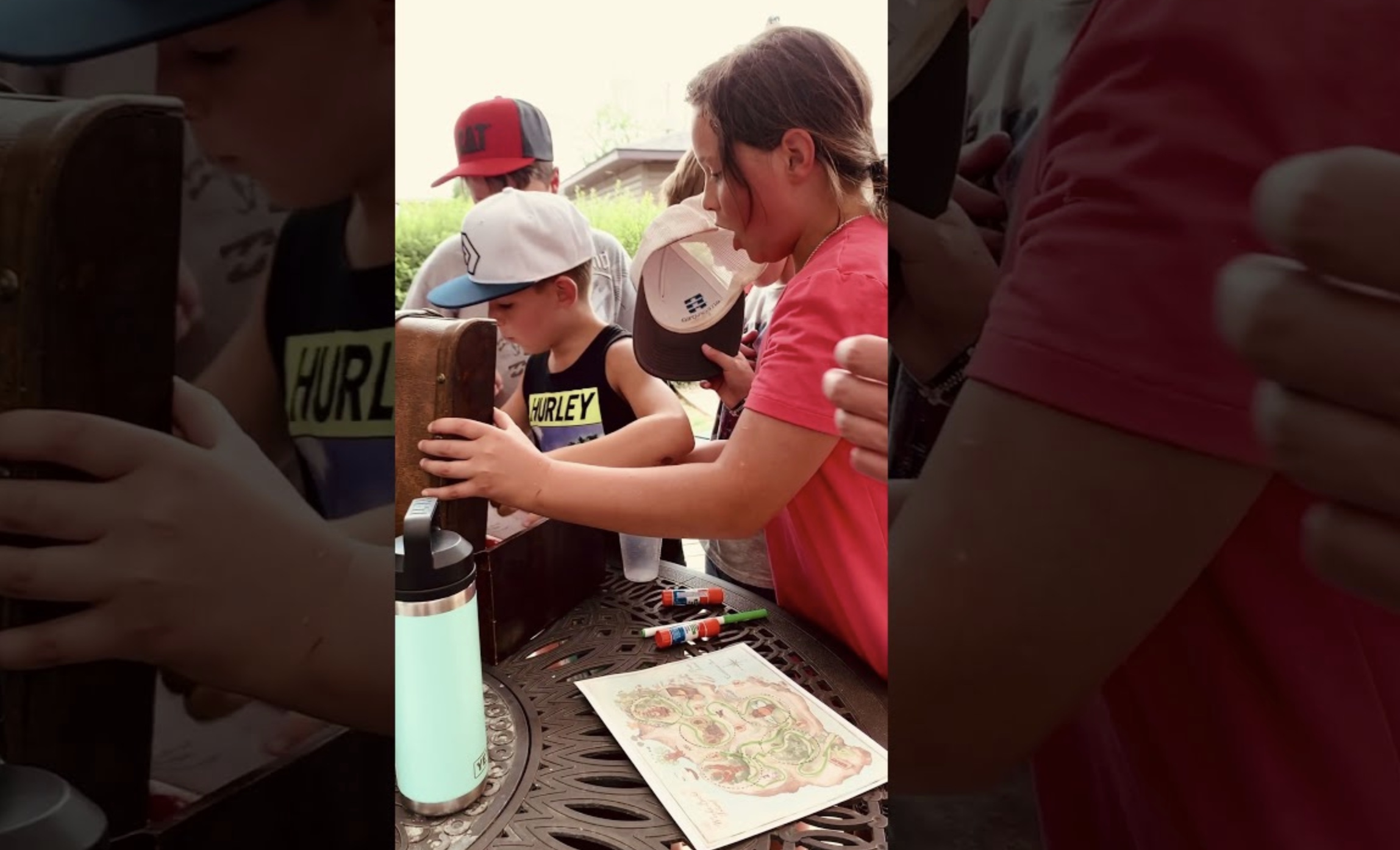
7. Búsqueda del tesoro en equipo
Crea una lista de 15 a 20 objetos para encontrar y divide a los niños en equipos. Algunos objetos deben requerir trabajo en equipo: “Tomen una foto de todo el equipo formando una pirámide humana”. “Encuentren algo que se pueda cargar entre dos personas”. “Resuelvan esta adivinanza juntos”. El formato de equipo fomenta la colaboración, y la competencia con otros equipos añade motivación.
Juegos de confianza y apoyo
La confianza es la base de todo equipo. Estos juegos la fortalecen mediante la dependencia física y emocional entre compañeros.
8. Recipiente que se encoge
Extiende una lona o manta grande en el suelo. Todo el equipo debe pararse sobre ella. Luego, dóblala por la mitad. Todos deben seguir cabiendo. Dóblala de nuevo. Y otra vez. El espacio se reduce, obligando a los niños a agarrarse unos a otros, mantener el equilibrio y cooperar para que todos permanezcan "en el barco". Si alguien se cae, todo el equipo pierde. Es un ejercicio de confianza física envuelto en un divertido desafío de equilibrio.
9. Caminata inclinada
Los compañeros se colocan uno frente al otro, con los brazos extendidos y las palmas tocándose. Retroceden lentamente hasta que ambos se inclinen hacia las manos del otro en ángulo. Luego, intenten caminar de lado juntos sin caerse. Se requiere igualar el ritmo y la presión del otro con precisión. Confianza física en su forma más simple: si tu compañero deja de empujar, te caes.
10. Nudo humano
Todos se colocan en círculo y toman de las manos a dos personas diferentes (no a las que tienen al lado). Ahora, desenreden el nudo sin soltar ninguna mano. Requiere comunicación, paciencia, razonamiento espacial y disposición para escuchar la idea de los demás. Los grupos que designan un "director" terminan más rápido, una lección natural de liderazgo y colaboración.
Juegos de equipo competitivos
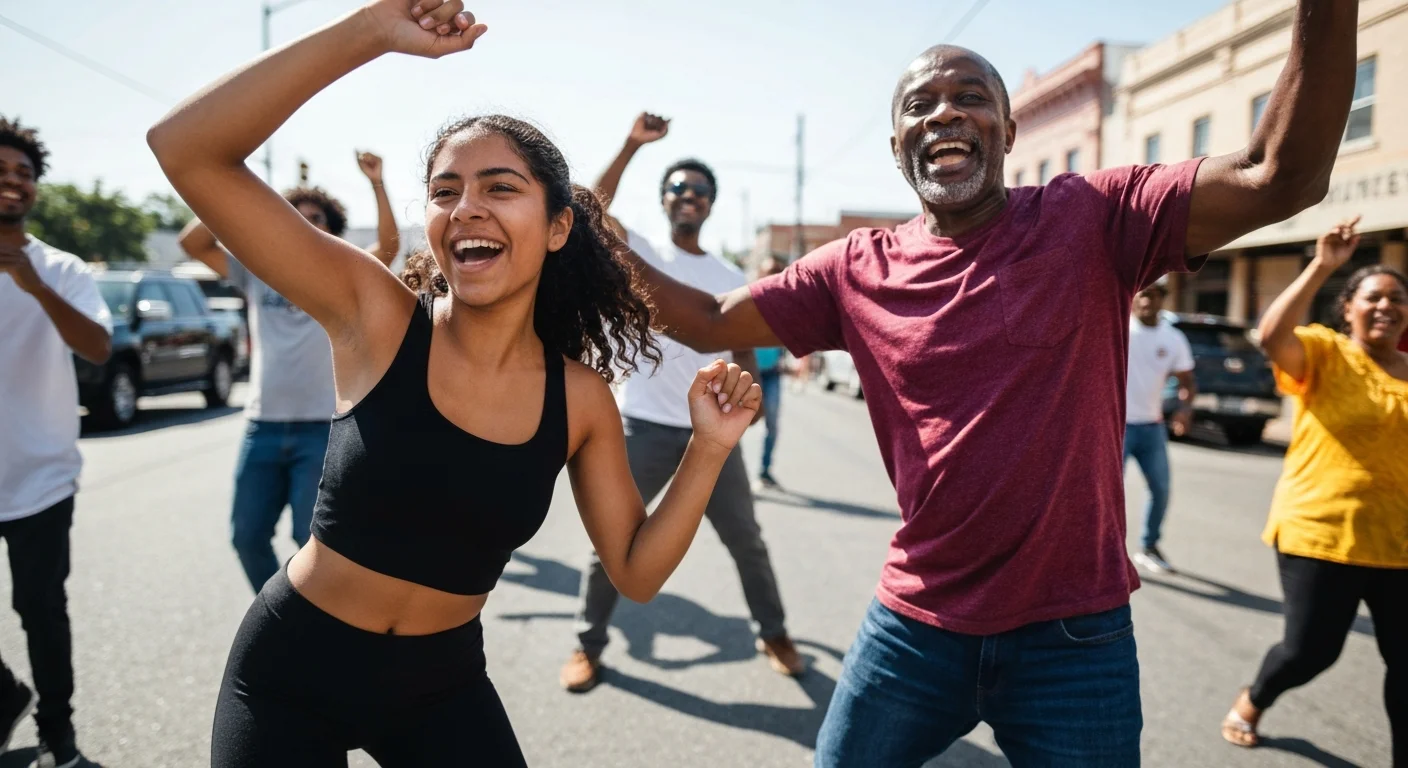
La sana competencia entre equipos fomenta la identidad de grupo y un propósito compartido, especialmente cuando la competencia es divertida y no estresante.
11. Captura la bandera
Dos equipos, dos territorios, dos banderas. Roba la bandera del otro equipo y tráela de vuelta sin que te toquen. Requiere estrategia (quién ataca, quién defiende), comunicación (coordinar una distracción) y toma de decisiones rápida. Es el juego de trabajo en equipo más natural que existe: los niños lo han jugado durante generaciones porque funciona.
12. Carrera de tres piernas
Ata las piernas interiores de dos niños y compite contra otras parejas. Literalmente, no podrás moverte si no te sincronizas. Las parejas que se comunican ("izquierda, derecha, izquierda, derecha") vencen a las que solo intentan correr. Es una lección de coordinación y cooperación de 30 segundos que los niños recordarán para siempre.
13. Carreras de relevos
Cualquier formato de relevos funciona: carreras, carreras de sacos, carreras de huevos y cucharas, llevar agua. Lo que hace que los relevos fomenten el trabajo en equipo (no solo las carreras) es la responsabilidad compartida: no corres solo por ti, sino por tu equipo. El niño que va más lento sigue siendo importante porque el equipo lo necesita. La celebración siempre es colectiva, nunca individual.
14. Semáforos
Una persona hace de semáforo y se coloca en el extremo opuesto. Los demás empiezan en una línea. Luz verde = correr. Luz roja = quedarse quieto. Luz amarilla = caminar despacio. El semáforo da la vuelta en rojo: quien sea sorprendido moviéndose vuelve al punto de partida. Los equipos juegan juntos: todo el equipo debe cruzar la línea, no solo el más rápido. Esto significa que los niños más rápidos tienen que ayudar a los más lentos y elaborar estrategias en equipo.
15. Carrera de rompecabezas
Entreguen a cada equipo un rompecabezas idéntico (de 50 a 100 piezas). El primer equipo en completarlo gana. La dinámica interesante: los niños se dividen los roles de forma natural: quienes buscan los bordes, quienes clasifican los colores, quienes conectan. Observar quién hace qué y cómo se coordinan sin que se les diga revela una dinámica de equipo genuina. Después, conversen sobre la contribución de cada persona; esto fomenta el aprecio por las diferentes fortalezas.
Lecturas relacionadas
- Guía paso a paso: Cómo creé mi propia sala de escape casera
- 30 ideas para crear tu propio rompecabezas de escape room
- Escape Room Team Building: La guía completa para equipos de trabajo
- 15 juegos educativos para niños
Nuestros kits de juego listos para jugar
Elige un juego, imprímelo y juega: ¡así de sencillo!
-
Laboratorio del profesor Soen
El precio original era: $24.90.$19.90El precio actual es: $19.90.Edad: 9-1345-60 minutos2-5 niños -


Cómo lograr que el trabajo en equipo sea duradero.
El juego en sí mismo es solo la mitad del valor. La otra mitad reside en lo que se comenta después. Incluso un breve comentario de dos minutos convierte una actividad divertida en un auténtico momento de aprendizaje.
- “¿Qué funcionó?” — fomenta la concienciación sobre comportamientos eficaces
- “¿Qué fue lo que te frustró?” — normaliza la lucha como parte del trabajo en equipo.
- “¿Quién te ayudó?” — enseña a los niños a notar y apreciar las contribuciones
- “¿Qué harías de forma diferente?” — fomenta una mentalidad de crecimiento
Practiquen un juego de trabajo en equipo por semana —en clase, en los entrenamientos, en las reuniones— y observen cómo se transforma la dinámica del grupo en el transcurso de un mes. Las habilidades que los niños aprenden al jugar juntos son las mismas que utilizarán en todos los proyectos grupales, equipos deportivos y amistades a lo largo de su vida.



Responder a Shashika Cancelar la respuesta