






I min föregående artikel, Jag visade er hur jag byggde mitt första gör-det-själv-escape room från grunden. Som självutnämnd Game Master var jag exalterad – och mina vänner hade jättekul. Idag delar jag med mig av de faktiska pusslen jag designade, plus en massa fler jag har lärt mig under åren genom att skapa escape room-kit professionellt.
Det är så här med escape room-pussel: om de är för enkla känner ingen sig fullbordad. Om de är för svåra blir folk frustrerade och ger upp. Den verkliga färdigheten är att hitta den där perfekta punkten – tillräckligt utmanande för att kännas givande, men tillräckligt uppnåeligt för att dina spelare inte ger upp av raseri halvvägs.
Efter att ha designat dussintals spel som spelats av över 21 000 personer världen över har jag lärt mig vad som fungerar och vad som inte fungerar. Här är min fullständiga lista med pusselidéer som du kan stjäla till ditt eget gör-det-själv-escape room.
1. Papper på papper
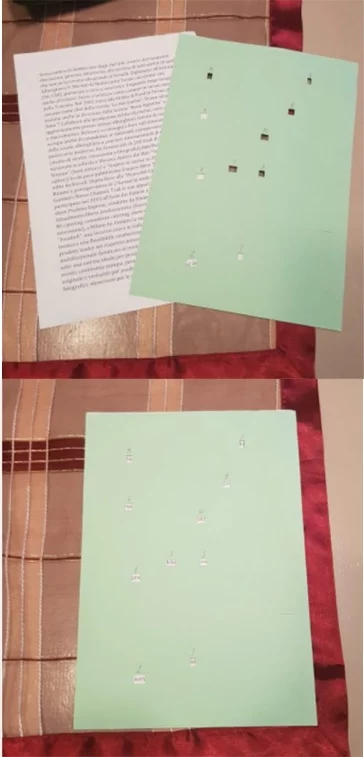
Den här avslöjar ett dolt budskap med hjälp av bara två pappersark. Den är enkel att göra och får alltid en bra reaktion.
Du behöver två ark – ett med en spännande, till synes orelaterad text (jag använde italienska i mitt) och ett annat tomt ark som fungerar som en hemlig avkodare. Klipp noggrant ut små fönster på det tomma arket, placerade så att när du placerar det över det första arket, avslöjar varje hål bara en bokstav från texten under. Dessa bokstäver, lästa tillsammans, stavar en dold ledtråd.
I mitt spel var det dolda meddelandet "kolla brandposten", där jag hade gömt nästa ledtråd. Mina vänner spenderade hela fem minuter med att försöka läsa den italienska texten innan någon kom på idén att prova överlägget. I samma ögonblick som de kom på det – ren magi.
2. OSYNLIG TEXT
Det här är ett av de där "wow-effekt"-pusslen som aldrig misslyckas. Det finns ett osynligt meddelande på ett pappersark som bara dyker upp när du doppar det i vatten. Inga kemikalier, inga pennor med osynligt bläck – bara enkla hushållsartiklar.
Du behöver: 2 pappersark, en penna, vatten i en bricka och en slät yta (en spegel fungerar perfekt).
- Blötlägg ett ark i vatten och lägg det platt på spegeln.
- Lägg det torra lakanet ovanpå det våta.
- Skriv ditt hemliga meddelande på det torra arket med en penna och tryck ordentligt.
- Kasta bort det torra lakanet – du behöver det inte längre.
Trycket överför ett svagt avtryck på det våta pappret. När det torkar helt försvinner avtrycket. När dina spelare så småningom sänker ner pappret i vatten dyker meddelandet upp igen – och det är i det ögonblicket de inser att du är en fantastisk spelmästare.
Förbered detta minst en timme före matchtid så att pappret torkar helt.
3. GPS-koordinater
Det här pusslet är ett av mina favoriter genom tiderna eftersom det tvingar spelarna att tänka utanför boxen – bokstavligen utanför rummet.
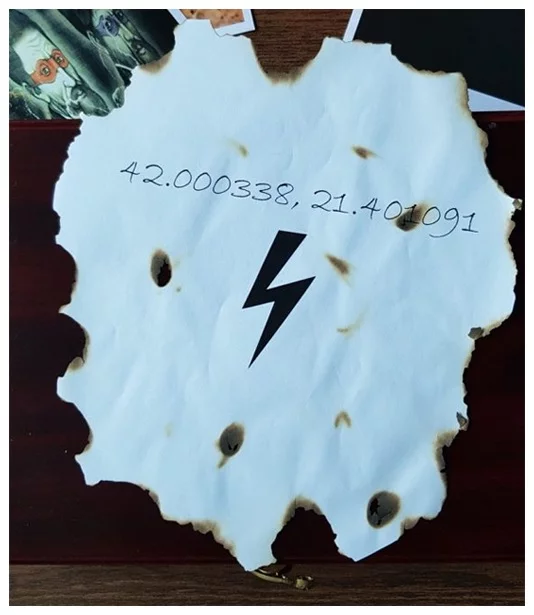
Jag gömde ett papper med en stor siffra på. Minst en person i varje grupp kommer att känna igen det som GPS-koordinater. Eftersom mina spelare fick använda allt i rummet var smartphones tillåtna. Vilken GPS-app som helst tar dem till destinationen.
“Men vänta – hur kan man lämna rummet under ett escape room?” Det är hela poängen. När jag flyttade målet från “fly rummet” till “hitta den gömda skatten” öppnade sig en helt ny värld av möjligheter. Spelarna är inte låsta, och GPS-pusslet blir ett av spelets mest minnesvärda ögonblick.
Platsen jag valde var mittemot min lägenhet, bredvid gymnasieingången. Jag lämnade ett kuvert med nästa ledtråd där. Eftersom GPS-satelliter har en felmarginal på ±5 meter, välj ett landmärke som är svårt att missa och göm kuvertet bredvid det. Jag satte en elektricitetssymbol bredvid koordinatnumret som en ledtråd och brände kanterna på pappret så att det såg ut att vara träffat av blixten.

4. Karta över lägenheten
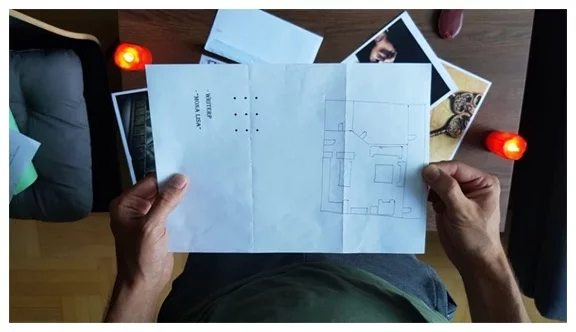
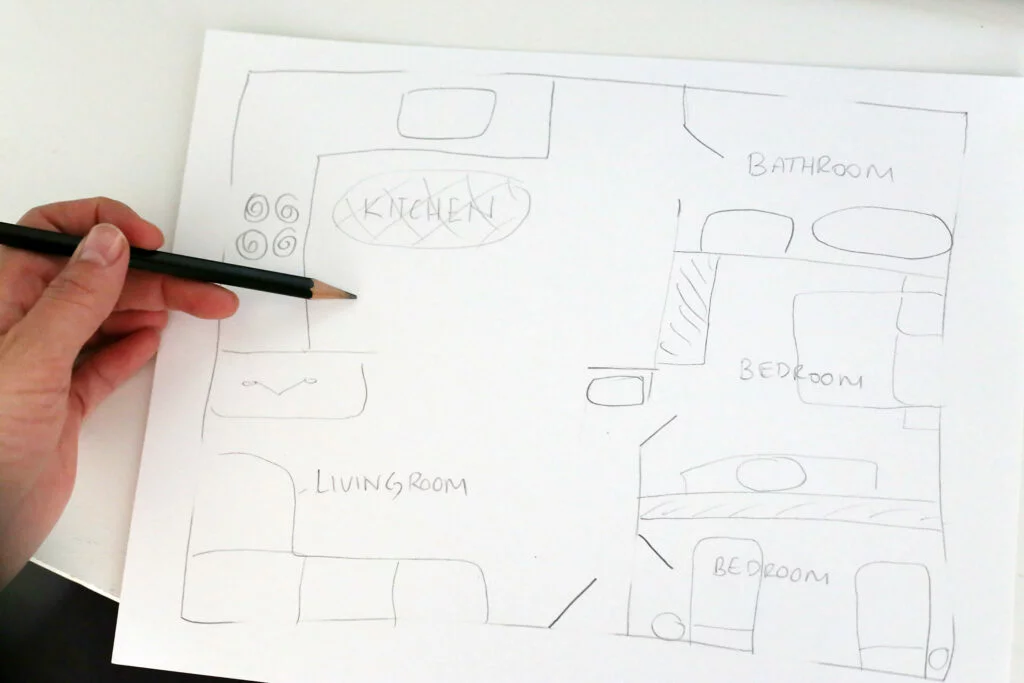
Förvandla det utrymme som dina spelare redan känner till till en skattkarta. Skissa en enkel karta över din lägenhet, markera en plats med ett "X" och göm en ledtråd på exakt den platsen.
Nyckeln är att göra det gömda föremålet genuint svårt att hitta. Du vill inte att någon snubblar på det innan de ens har sett kartan. I min version gömde jag en mobiltelefon inuti soffkuddarna – den blev det viktigaste verktyget för nästa pussel.
Att se mina vänner springa runt i lägenheten med kartan i handen och känna sig som en modern Indiana Jones – det är det som gör det så givande att vara värd för ett gör-det-själv-escape room.
5. UV-ljus
UV-lampor är en basvara i professionella escape rooms, men du behöver ingen dyr utrustning. En fluorescerande gul markör och en vanlig lampa är allt som behövs.
Att göra det osynliga bläcket
Vissa människor gör en enda röra när de försöker sig på detta – de öppnar tuschpennor med en tång, kokar dem i mikrovågsugnen, diskar dem i varmt vatten. Det är receptet på en fluorescerande mardröm över hela köket. Här är min enklare metod som fungerar lika bra:
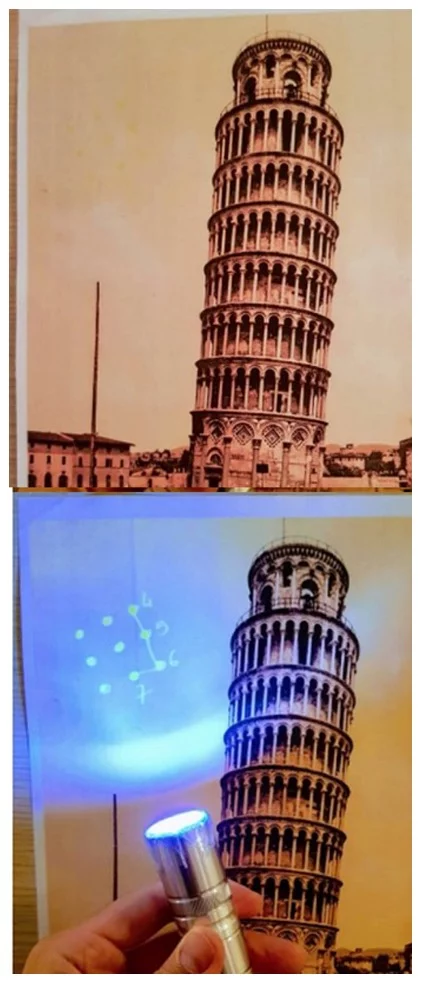
Ta en illustration eller bild med mörk bakgrund och skriv din ledtråd på den med en gul fluorescerande tuschpenna. Häng den på en vägg där belysningen är lite svag. Meddelandet förblir dolt i synhåll tills någon lyser med svart ljus på det.
Dricks: Istället för en vanlig mörk bild, välj en som matchar ditt escape room-tema – som jag gjorde med det lutande tornet i Pisa. Även i fullt ljus fungerar bilden som en lockbete och kamouflerar ditt budskap som en mästare på förklädnad.
Att göra ett gör-det-själv-svart ljus
Du kan använda en vanlig batterilampa eller till och med en ficklampa till din smartphone. Fäst en bit genomskinlig tejp över ljuset, färglägg det med en blå överstrykningspenna, lägg till ett lager tejp, färglägg igen – upprepa fem gånger. Du har ett hemmagjort svart ljus som faktiskt fungerar.
6. Ansiktsigenkänningsapp
Den här tar in teknik i ditt escape room och slår alltid folks medvetande.
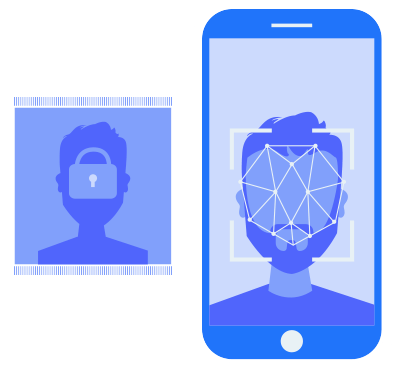
Jag skrev ut en massa bilder med Italien-tema och spred ut dem i rummet. En av dem var ett porträtt av Leonardo Da Vinci. Gömd i soffan låg en telefon med en app för ansiktsigenkänning installerad (något i stil med AppLock med ansikts-/röstigenkänning). Jag hade tränat appen att känna igen Da Vincis ansikte från porträttet.
När spelarna kom på att de behövde skanna Da Vincis porträtt med telefonen, dök en fyrsiffrig kod upp på skärmen – kombinationen för nästa lås. Fullständiga Mission Impossible-vibbar.
Ett par praktiska tips: “träna” appen genom att skanna det utskrivna porträttet flera gånger under installationen. Testa med olika ljusförhållanden och avstånd. Kvaliteten kan variera beroende på app och telefon, så gör en provkörning innan dina gäster anländer.
7. Morsekod
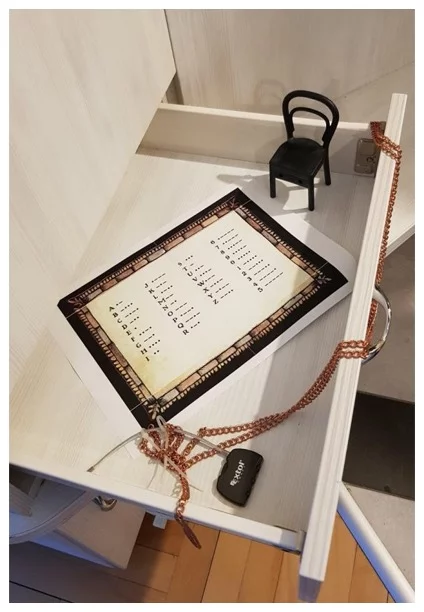
Att knäcka morsekod får dig att känna dig som Alan Turing som slår sönder Enigma-maskinen. Den omvandlar ljus, ljud eller knackmönster till text – och den är förvånansvärt enkel att installera.
Så här gjorde jag: Jag installerade en morsekodsapp på en smartphone, knappade in låskombinationen och placerade telefonen där taklampan normalt sitter. Telefonens ficklampa blinkade med morsekod.
Någon gång under spelet hittar spelarna ett morsekort. Sedan klickar det – det flimrande "trasiga" ljuset är inte trasigt alls, det är ett kodat meddelande. När de knäcker det och öppnar låset är känslan av prestation enorm. Det här är inte ett enkelt pussel, men det är just det som gör det så tillfredsställande.
Se bara till att telefonens batteri räcker i minst en timme med kontinuerlig Morse-sändning via ficklampan.
8. Liten, liten, liten text
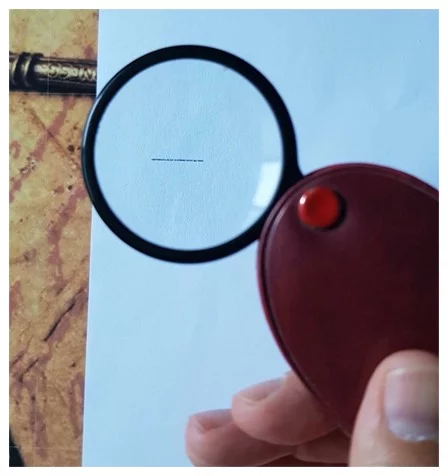
Den här kommer att få dina spelare att kisa som Clint Eastwood tills de hittar förstoringsglaset du har gömt i en av de låsta lådorna. Skriv ut din ledtråd i Times New Roman, teckenstorlek 2, på ett vanligt pappersark. Se till att du använder en laserskrivare av god kvalitet – bläckstråleskrivare skär inte ut den i den storleken.
Det är jätteenkelt att förbereda och man får alltid ett skratt när någon äntligen inser varför de inte kan läsa det där "tomma" pappret.

9. Anpassade frågor
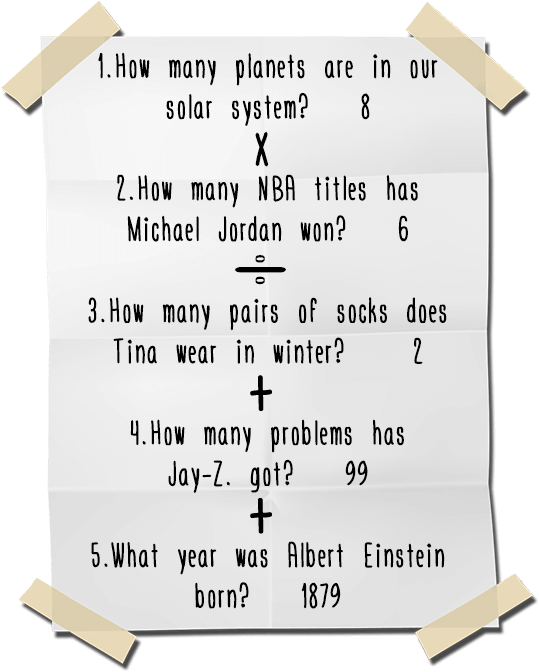
Detta är ett perfekt sätt att avsluta ditt escape room, särskilt när du spelar med nära vänner eller familj. Eftersom du känner varje person väl – deras favoritlåt, mat, besattheter, interna skämt – kan du skapa personliga frågor som bara de kan svara på.
En av mina vänner är besatt av astronomi, så hans fråga var: “Hur många planeter finns det i vårt solsystem?” En annan är ett stort NBA-fan: “Hur många NBA-titlar har Michael Jordan vunnit?”
Varje svar är ett nummer, och tillsammans bildar de den slutliga låskombinationen (i det här fallet 1990). Detta pussel tvingar teamet att faktiskt arbeta tillsammans – alla har en bit, ingen kan lösa den ensam. Det är genomgående det mest känslosamma ögonblicket i alla spel jag har varit värd för.
10. Interaktiva spel och uppgifter
Inte varje utmaning behöver vara en hjärngymnastik. När du tänker på "escape room" föreställer du dig logiska pussel och "aha!"-ögonblick. Men för att hålla energin uppe behöver du blanda in några praktiska uppgifter som handlar mer om att göra än att tänka.
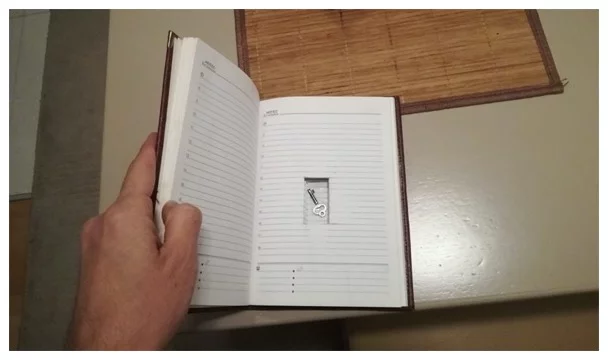
Exempel 1: Att hitta en gömd nyckel kräver inte att man löser någonting – bara noggrant sökande. Det är en rengörande upplevelse mellan svårare pussel.
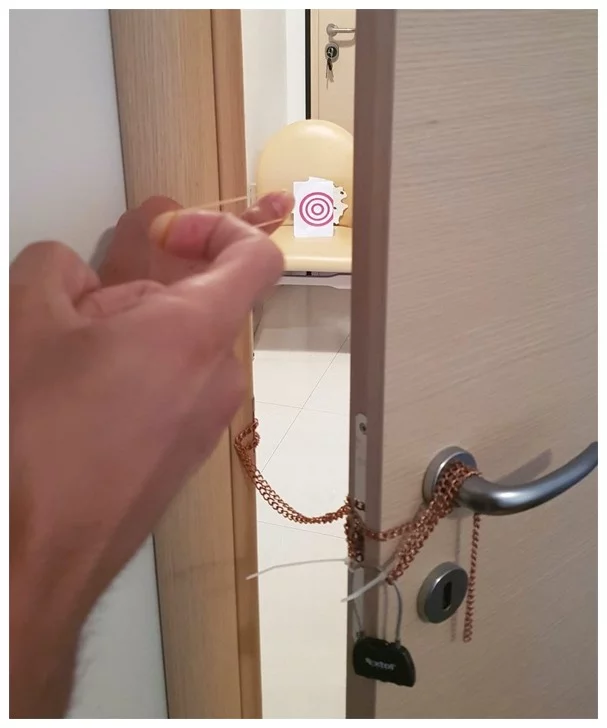
Exempel 2: Jag lade en ledtråd i ett rum bakom en kedjad, låst dörr – uppsprungen precis tillräckligt för att man skulle kunna se igenom men inte komma in. Framför ledtråden placerade jag en måltavleillustration som täckte hänglåsets koden. Spelarna var tvungna att skjuta gummiband mot målet för att få sönder det. När man hör "Yaaaaay!" från det andra rummet hade någon träffat mitt i prick.
Dessa uppgifter sätter takten. De ger spelarna en boost för självförtroendet mellan svårare pussel och håller alla engagerade – även de som inte är bra på logiska problem.
11. Chifferhjul
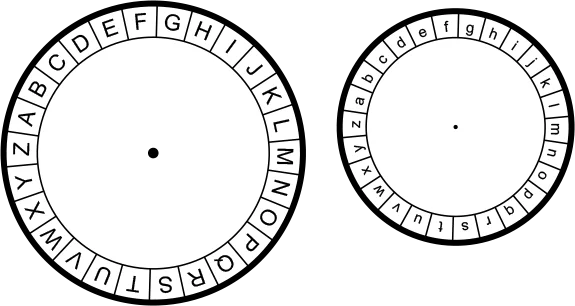
Ett chifferhjul är två runda pappersskivor som är fästa i mitten med en metalldycker. Rotera dem till rätt position så kan du avkoda ett hemligt meddelande genom att översätta bokstäver från den yttre skivan till den inre.
Dessa har använts i verklig spionage i århundraden, så de passar perfekt in i teman som involverar hemliga sällskap, spioner eller militären. Spelare kan tappa tålamodet med att avkoda långa texter, så håll dig till ett enda ord eller en kort fras – hoppa över mellanslagen: “titta ut genom fönstret”. Siffror fungerar också om du stavar dem: “ett och fem två”.”
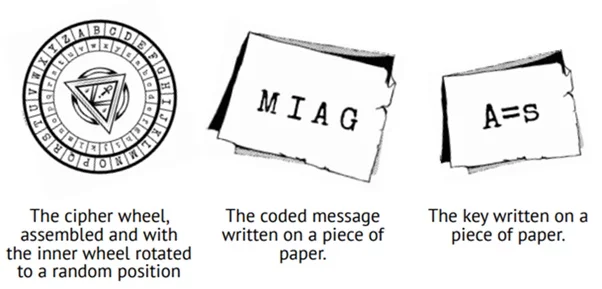
Börja med att bestämma din lösning och välj sedan en nyckel som definierar skivans placering (t.ex. "A = s"). Ställ in hjulet och koda ditt svar, bokstav för bokstav, från den inre till den yttre skivan. Göm det kodade meddelandet, nyckeln och chifferhjulet separat runt om i rummet. Låt spelarna lista ut att de är sammankopplade.
Skillnaden i versaler/gemener mellan de yttre och inre skivorna är avsiktlig – det hjälper spelarna att veta vilken riktning de ska översätta. Att använda samma typsnitt på hjulet och ledtrådarna hjälper dem också att göra kopplingen.
12. Arrangera pappersremsor
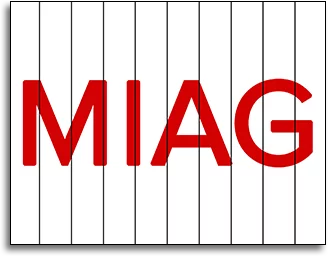
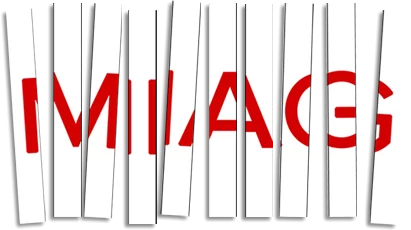
Kanske det enklaste pusslet på den här listan, men det fungerar utmärkt för grupplösning. Skriv er hemliga ledtråd med stor text på ett A4-ark och klipp sedan ut den i remsor som är ungefär en tum breda. Se till att snitten korsar bokstäverna. Göm remsorna runt om i rummet och låt spelarna sätta ihop dem igen som ett pussel.
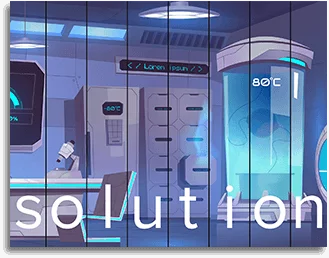
Det fina är att spelarna kan använda bokstavsformerna själva för att lista ut rätt ordning. För en svårare version, lägg bara en bokstav per remsa och lägg till en bild under som bestämmer rätt arrangemang istället.
Det här pusslet kan innehålla mer än bara en kod – du kan gömma ett helt "hemligt dokument" som spelarna behöver pussla ihop. Vi har använt den här mekanismen i flera av våra professionella spel, och det får alltid folk att samlas runt ett bord och arbeta tillsammans.
Testa det själv före matchdagen – om det här pusslet fungerar beror helt på hur du gör snitten.
13. Måttband
Att använda vanliga hushållsartiklar kreativt är en viktig del av gör-det-själv-escape rooms. Ett måttband är ett av de föremål som spelarna förbiser tills de inser att det är en del av spelet.
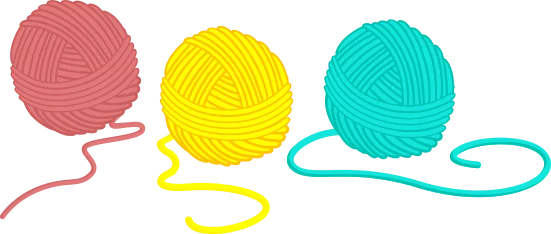
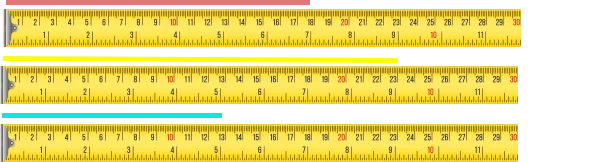
Så här gör du: bestäm dig för en tresiffrig kod och klipp sedan tre garnbitar – var och en lika lång (i centimeter eller tum) som en siffra. Använd olika färger för varje bit och sprid ut dem i rummet.
Spelarna kommer inte omedelbart att koppla ihop garnet med måttbandet, så du behöver en visuell ledtråd. Skriv en bild av ett måttband i tre färger på ett papper, med en pil som visar ordningen. När de har mätt varje garnlängd och läst siffrorna i ordning har de kombinationen.

14. Periodiska systemet
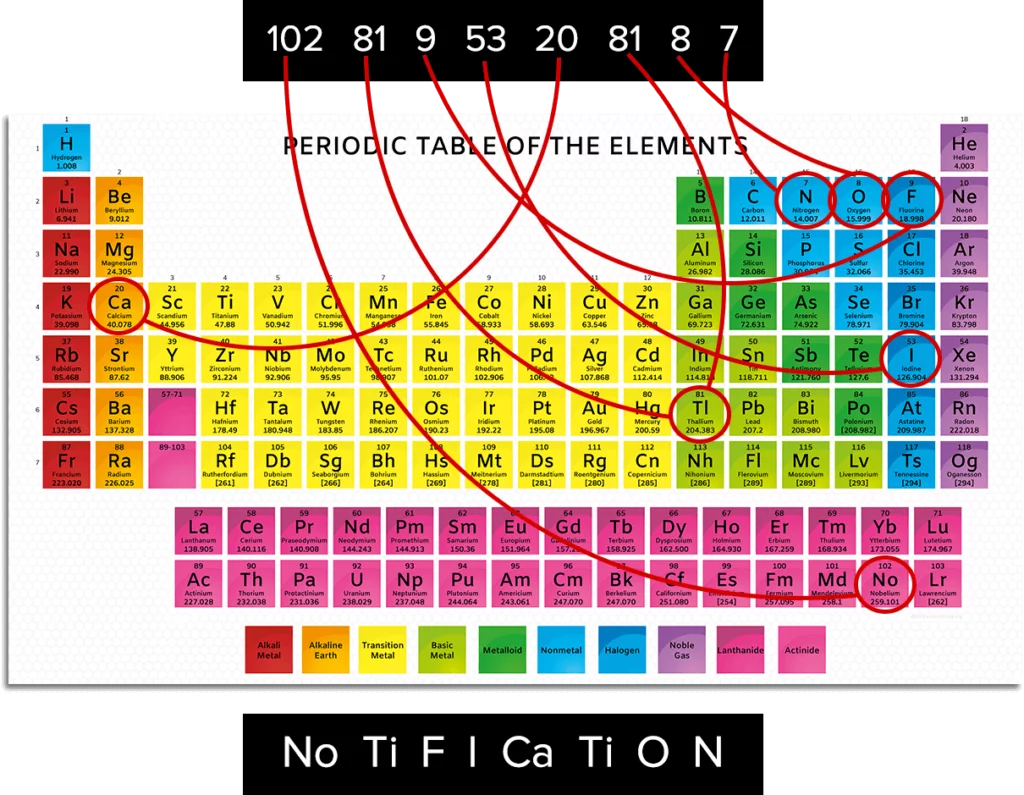
Klassiska substitutionschiffer har en nackdel: vissa spelare känner igen dem direkt, vilket förstör det roliga för alla andra. Det är därför jag gillar att förvandla det periodiska systemet till ett anpassat chiffer – det använder samma princip men känns helt fräscht.
Varje element har en symbol med en eller två bokstäver, och du kan kombinera dem för att stava ord. Till exempel: Notifiering. Fler ord fungerar än du förväntar dig.
Skriv ner elementnumren som en sekvens på ett papper (t.ex. "102 81 9 53 20 81 8 7" - glöm inte mellanslagen, de spelar roll). För att koppla siffrorna till tabellen kan du färgkoda dem så att de matchar elementkategorins färger, eller visa varje nummer i det övre högra hörnet av en ruta, vilket imiterar tabellens layout.
15. Labyrinter
Klassiska pussel som labyrinter bör användas med försiktighet i escape rooms – om spelarna redan känner till reglerna blir pusslet ett besvär snarare än en upptäckt. Men med rätt twist fungerar en labyrint utmärkt.
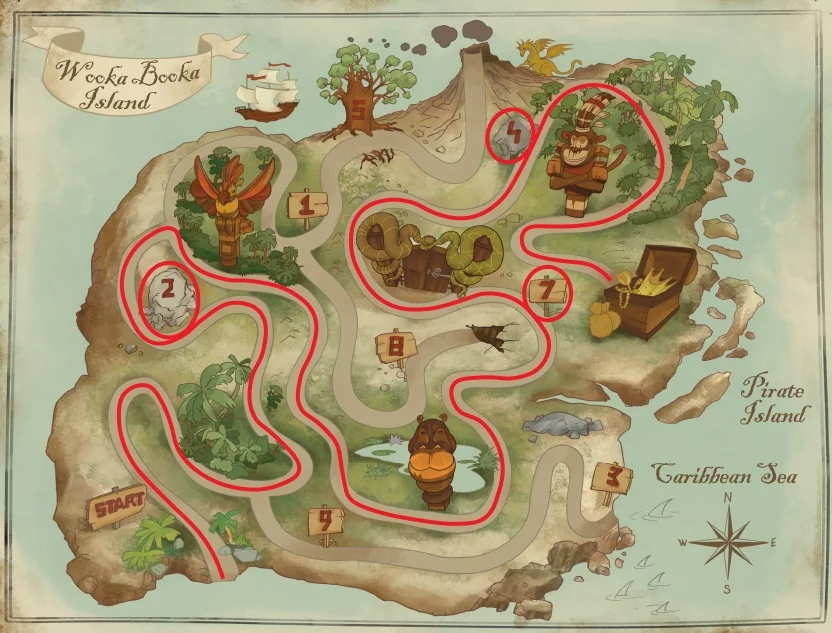
Lös labyrinten själv först. Skriv bokstäverna i ditt svar längs rätt väg på en ny kopia. Fyll i slumpmässiga bokstäver överallt annars så att rätt väg inte är uppenbar. Spelarna löser labyrinten och läser bokstäverna de passerar för att avslöja koden.
Snabbt att göra, tillfredsställande att lösa, och det ger en trevlig omväxling mellan tyngre logikpussel.
16. MATCHA MÖNSTER
Många escape room-pussel kräver att spelarna intuitivt kopplar samman ledtrådar som delar en egenskap – färg, form, storlek eller mönster. Denna typ av pussel tvingar fram den kopplingen.
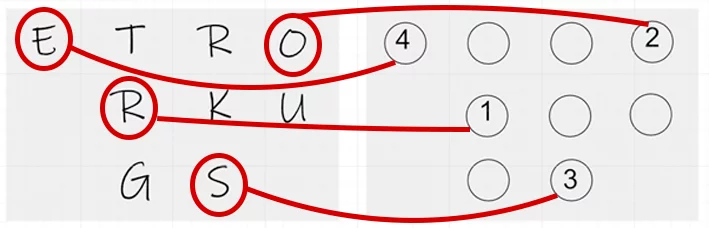
Skriv bokstäverna i din lösning i ett slumpmässigt arrangemang inom en distinkt rutnätsform. Utöka rutnätet med lockbetesymboler. Det är din första ledtråd.
Den andra ledtråden använder samma rutnätsform, men med cirklar istället för bokstäver. Cirklarna som motsvarar lösningens bokstäver är numrerade för att ange deras ordning i svarsordet.
I vårt exempel använde vi ordet ROSE – fyra bokstäver utspridda i ett igenkännbart rutnät, med ett matchande numrerat rutnät gömt bakom ett lås. Lämna den första ledtråden i tydlig syn och lås in den andra bakom ett annat pussel. Spelare måste lösa ett pussel för att få verktyget till nästa – det är den typen av kaskadformning som gör escape rooms beroendeframkallande.
17. Extrahera ett hemligt meddelande från ett brev
Att starta ett escape room med en bokstav som sätter scenen är ett bra sätt att förmedla berättelsen. Det är också det perfekta stället att gömma din första ledtråd med hjälp av steganografi – att dölja information i öppen sikt.
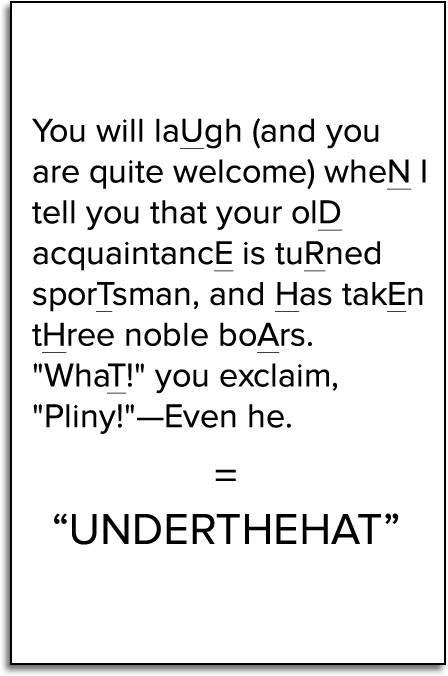
Skriv ditt inledande brev först. Bestäm sedan ett dolt meddelande (t.ex. “UNDERHATTEN”). Gå igenom brevet och markera varje bokstav i det hemliga meddelandet allt eftersom du stöter på det:
YoU kommer att skratta (och du är varmt välkommen) närN Jag säger dig att din gamlaD bekantskapE är duRned sportTsman, och Hsom takEntHRee ädla boArs. “VadT"utbrister du..."
Du kan skriva de relevanta bokstäverna med versaler, skriva dem i en annan färg, utelämna dem helt eller markera dem på något annat kreativt sätt. Spelarna som först lägger märke till mönstret får känna sig som kodknäckare.
18. Göm det i tändsticksasken
Ibland behöver man gömma en ledtråd så väl att en vanlig rumsökning inte hittar den – men en riktad ledtråd senare i spelet skickar spelarna direkt dit. "Den var här hela tiden!"-ögonblicket är en av de bästa reaktionerna man kan få.
En tändsticksask är perfekt för detta eftersom det är ett så alldagligt hushållsföremål och det kan användas på flera smarta sätt:
- Koda information i själva matchningarnas arrangemang
- Skriv en ledtråd längst ner, gömd under tändstickorna
- Göm ett litet föremål inuti
- Skriv på insidan av omslaget
För att hänvisa spelarna till det senare, gör "MATCHBOX" till lösningen på ett tidigare pussel. Enkelt, effektivt, tillfredsställande.
19. Korsordsledtrådar
Fullständiga korsord är för tidskrävande för ett escape room, men att låna ledtrådsformatet är ett smart drag. Istället för att ge svaret "TÄNDSTÄNDASK" direkt, dölj det som: "LITEN ELDIG BEHÅLLARE". Du kan använda korsordslösare online för att generera dessa genom att ange lösningen som kända bokstäver.
För ordnördar, prova kryptiska korsordsledtrådar. Den enklaste formen gömmer ett ord inuti själva ledtråden:
ELDIGA STOCKAR GÖMDA I PÅTÄND STICKAD TRÖJA
Frasen “gömma sig i” signalerar att det finns ett ord gömt i följande bokstäver. Ignorera mellanslagen: haZMAT CHESt → “MATCHNINGAR”, vilket passar definitionen “ELDIG LOGGA”.”
Jag skapade den ledtråden genom att dela upp MATCHES i MAT och CHES, och sedan söka efter ord som slutar på MAT och börjar på CHES. Att skapa bra kryptiska ledtrådar är ett pussel i sig – mät din publik innan du ger dig in på den här vägen.
20. Telefonstavningsalfabet
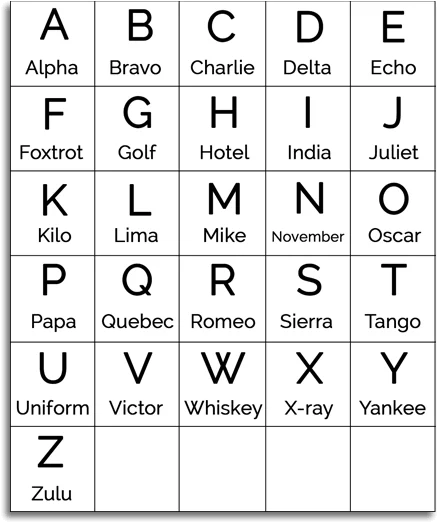
NATO:s fonetiska alfabet – Alfa, Bravo, Charlie, Delta och så vidare – utformades för militär radiokommunikation där ord som låter lika kunde förväxlas. Det är 26 kodord som vart och ett representerar en bokstav, och det blir ett fantastiskt escape room-pussel.
Spela in en ledtråd eller hemlig kod med hjälp av NATO-alfabetet och spela upp den via en gammal bandspelare, en Bluetooth-högtalare eller till och med din telefons röstbrevlåda. Låt spelarna bara ha ett telefonnummer som ledtråd. När de ringer och hör "Echo-Oscar-Papa-Echo-November" måste de lista ut vad dessa ord betyder – och ett NATO-alfabetsreferenskort gömt någon annanstans i rummet kompletterar pusslet.
21. UNDERSÖKNING
Forskningspussel ber spelarna att pussla ihop slutsatser från dokument, foton eller bevis. Tänk mordmysterium – men du kan anpassa det till vilket tema som helst.
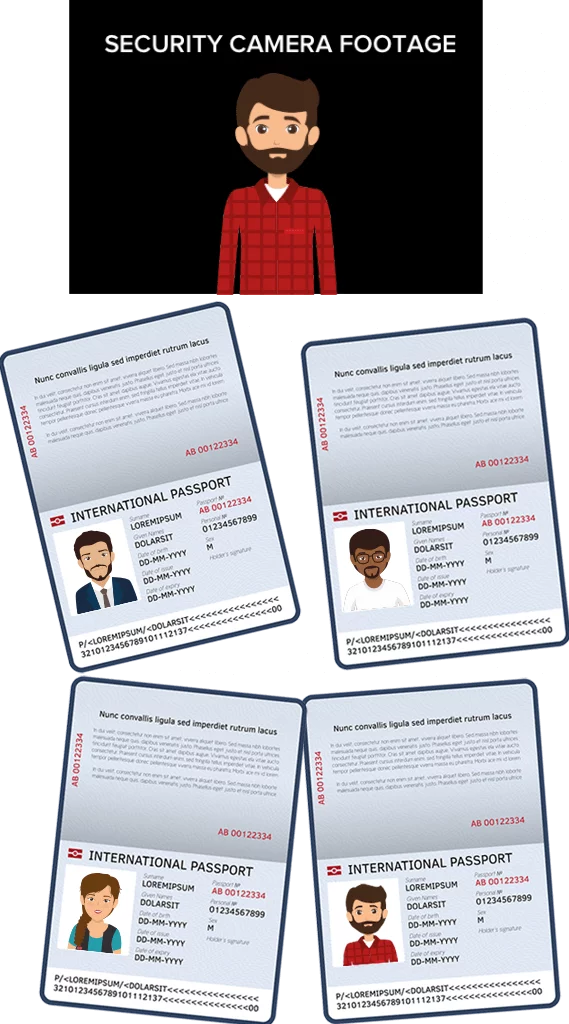
Här är ett scenario jag utformade: spelets berättelse går ut på att identifiera en cyberangripare. Spelarna har säkerhetskamerabilder (ett enda utskrivet foto av någons ansikte) och en bunt fotokopierade passidor från sex hotellgäster. De behöver matcha ansiktet med passet för att hitta namnet. Namnet blir koden för nästa lås.
Det som gör att det här fungerar är att det känns som riktigt detektivarbete. Spelarna löser inte ett abstrakt logiskt problem – de jämför bevis, eliminerar misstänkta och drar slutsatser. Vi har använt variationer av den här metoden i flera av våra professionella kit, och det är genomgående en av de mest uppslukande pusseltyperna.
22. Logikpussel
Jag sparade ett av de bästa till den här platsen. Du vet de där logikpusslen där man matchar tre barn med tre desserter med hjälp av några ledtrådar? Samma princip, fast som i en escape room.
Föreställ dig detta: från en tidigare ledtråd vet spelarna att den hemliga koden är året då en geografiprofessor besökte Taj Mahal. På hans "kontor" finns en världskarta med nålar på sju underverksplatser och sjuårskort på golvet (1967, 1971, 1974, 1976, 1982, 1989, 1992). Professorns anteckningsbok innehåller ledtrådar som:
- “"Jag åkte inte till Amerika före 1982"”
- “"Jag åkte bara till Asien under jämna år"”
- “"Jag åkte till Kina direkt efter Jordanien"”
Bara utifrån dessa ledtrådar kan du avgöra att besöket vid Taj Mahal ägde rum 1976 – även om vissa andra kombinationer fortfarande är tvetydiga. Om du är orolig för att spelarna kommer att brutalt tvinga fram de sju möjliga kombinationerna, gör koden till de sista siffrorna i fyra specifika besök ("Italien – Jordanien – Kina – Indien"), vilket ökar möjligheterna till 360.
Anledningen till att detta fungerar så bra i ett escape room är att det speglar verkligheten i spelvärlden. En geografiprofessor skulle ha rest, och korten ser ut som om de helt enkelt har fallit av kartan och behöver restaureras.

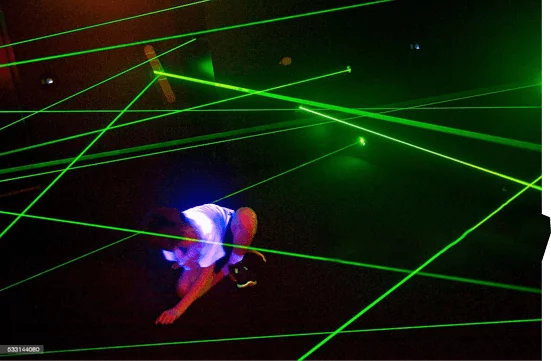
23. Laserlabyrint
Om du någonsin har sett en heistfilm där någon undviker laserstrålar för att nå valvet, vet du varför det här pusslet är så tilltalande. Den goda nyheten: du behöver faktiskt inte lasrar.
Jag har satt upp detta med hjälp av rött garn eller snöre spänt över en hall i olika vinklar och höjder – tejpat fast på väggar, dörrkarmar och möbler. Spelarna måste navigera igenom utan att röra vid några av snörena. Om de gör det går ett "larm" (du kan använda en klocka, en summer eller bara ropa dramatiskt).
Placera en ledtråd eller nyckel i slutet av labyrinten. För ett extra lager, placera ett litet pussel längst bort som spelarna måste lösa medan de sitter hukade mellan snörena – vilket är både roligt och stressigt för dem.
Det här pusslet är rent fysiskt roligt och det fotograferar otroligt bra. Dina spelare kommer att lägga upp Instagram Stories från det här pusslet. Se bara till att snörena är ordentligt fästa så att ingen snubblar.
24. ORDSÖK
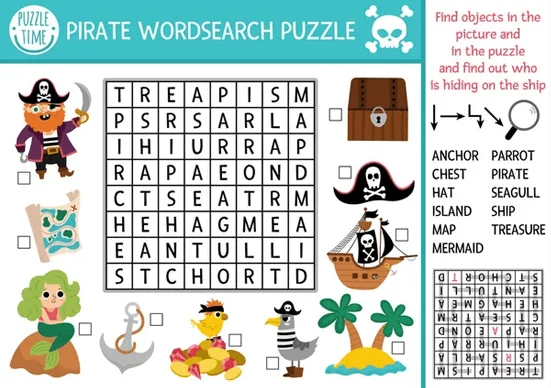
Ett ordsökssystem kopplat till ditt escape rooms tema kan vara smartare än du tror. Tricket är att få pusslet att tjäna spelet, inte bara fylla tiden.
Så här använder jag det: skapa ett rutnät med 8–10 temarelaterade ord gömda i det – för ett pirattema är det "skatt", "skepp", "kompass", "ankare" och så vidare. Men här är twisten: efter att ha hittat alla ord stavar vissa överblivna bokstäver i rutnätet nästa ledtråd. Spelare som bara ringar in ord i förbifarten utan att tänka på de återstående bokstäverna kommer att missa det dolda budskapet helt.
Du kan göra det svårare med ett större rutnät, mindre teckensnitt eller ord placerade baklänges och diagonalt. Jag rekommenderar att hålla ordlistan under 10 punkter – ju längre de är, desto fler börjar folk bli av med det.
25. LJUD-PUSSEL
Ljud ger en helt extra dimension till ett escape room som de flesta gör-det-själv-uppsättningar förbiser. Jag har använt ljudpussel på några olika sätt, och de överraskar alltid spelarna.
Den enklaste versionen: spela in ett meddelande på din telefon som innehåller en ledtråd – kanske en serie siffror som sägs med en konstig accent, eller en fras med betonade stavelser som stavar något. Göm telefonen i en låda eller inuti en låda, ställ in den på att spela på en timer eller gör den till ringsignalen som utlöses när spelare ringer ett specifikt nummer.
En mer avancerad metod: spela en ljudeffekt (ett fågellät, ett klockspel, en musiknot) och låt den motsvara en bokstav eller siffra baserat på ett referensblad gömt någon annanstans. Spelarna behöver båda pjäserna – ljudet och avkodaren – för att få svaret.
Håll ljudledtrådarna korta och repeterbara. Det finns inget värre än en 30-sekundersinspelning som spelarna bara kan höra en gång och sedan argumentera om vad de hörde.
26. Kryptex
Om du har läst Da Vinci-koden vet du redan vad en kryptex är – en cylindrisk behållare med roterande bokstavsskivor som låser något inuti tills du stavar rätt kombination. Det är en av de mest tillfredsställande fysiska rekvisita du kan inkludera i ett gör-det-själv-escape room.
Du kan köpa billiga cryptex-replikor online för $10-15, eller bygga en av ett PVC-rör och kartongskivor om du känner dig pysslig. Hur som helst är konceptet detsamma: spelarna roterar ringarna för att stava ett ord, och cylindern öppnas för att avslöja en nyckel, en anteckning eller den sista ledtråden.
Det som gör att kryptexen fungerar så bra är den fysiska känslan – klickandet från ringarna, ögonblicket den öppnas. Digitala pussel är bra, men inget slår något taktilt som du håller i händerna. Jag rekommenderar att du placerar kryptexen sent i spelet som ett klimaxiskt "slutgiltigt lås".
Sprid ut lösningens bokstäver över tidigare pussel – varje löst pussel ger en bokstav, och kryptexen sammanför dem alla. Det är den typen av lager-på-lager-design som får spelarna att känna att de verkligen har förtjänat vinsten.
27. Spegelskrivning
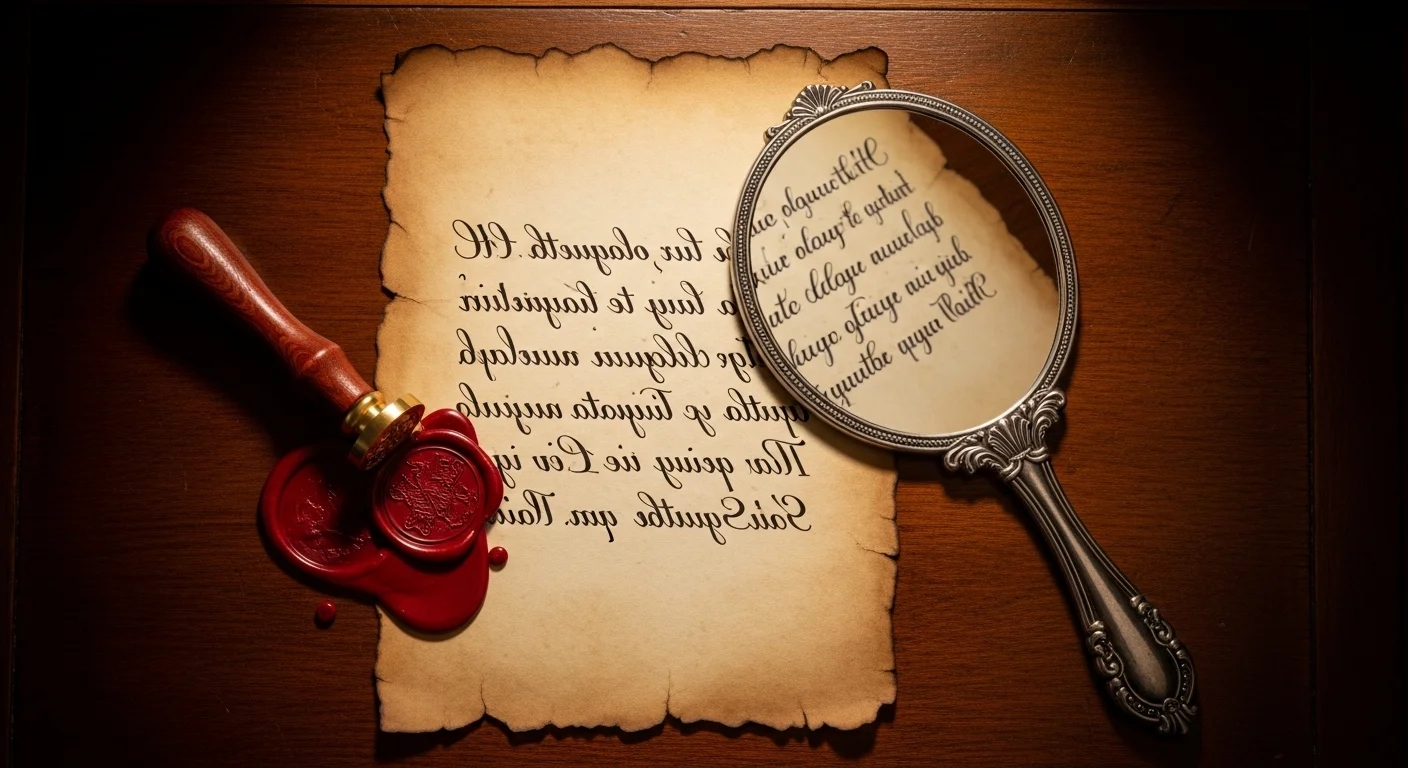
Leonardo Da Vinci skrev berömt sina anteckningsböcker helt i spegelvänd skrift. Att stjäla den här idén till ett escape room är nästan för lätt – och det är ett av de där pusselbitarna som får spelare att stöna och flina samtidigt.
Skriv din ledtråd baklänges på ett papper. Inte bara omvänd ordordning – vänd faktiskt varje bokstav. Den är oläslig vid första anblicken, och de flesta kommer inte direkt att tänka på att hålla upp den mot en spegel. Placera en liten spegel någonstans i rummet (inuti en låst låda fungerar bra) och låt kopplingen ske naturligt.
För en temaversion, rama in spegelskriften som en "dagboksanteckning" från en historisk person. Jag skrev en gång en ledtråd med spegelskrift på pergamentpapper och förseglade den med vax. I samma ögonblick som någon höll upp den mot badrumsspegeln och ropade svaret – det är den typen av reaktion man är värd för ett escape room.
28. Svartljus-pussel
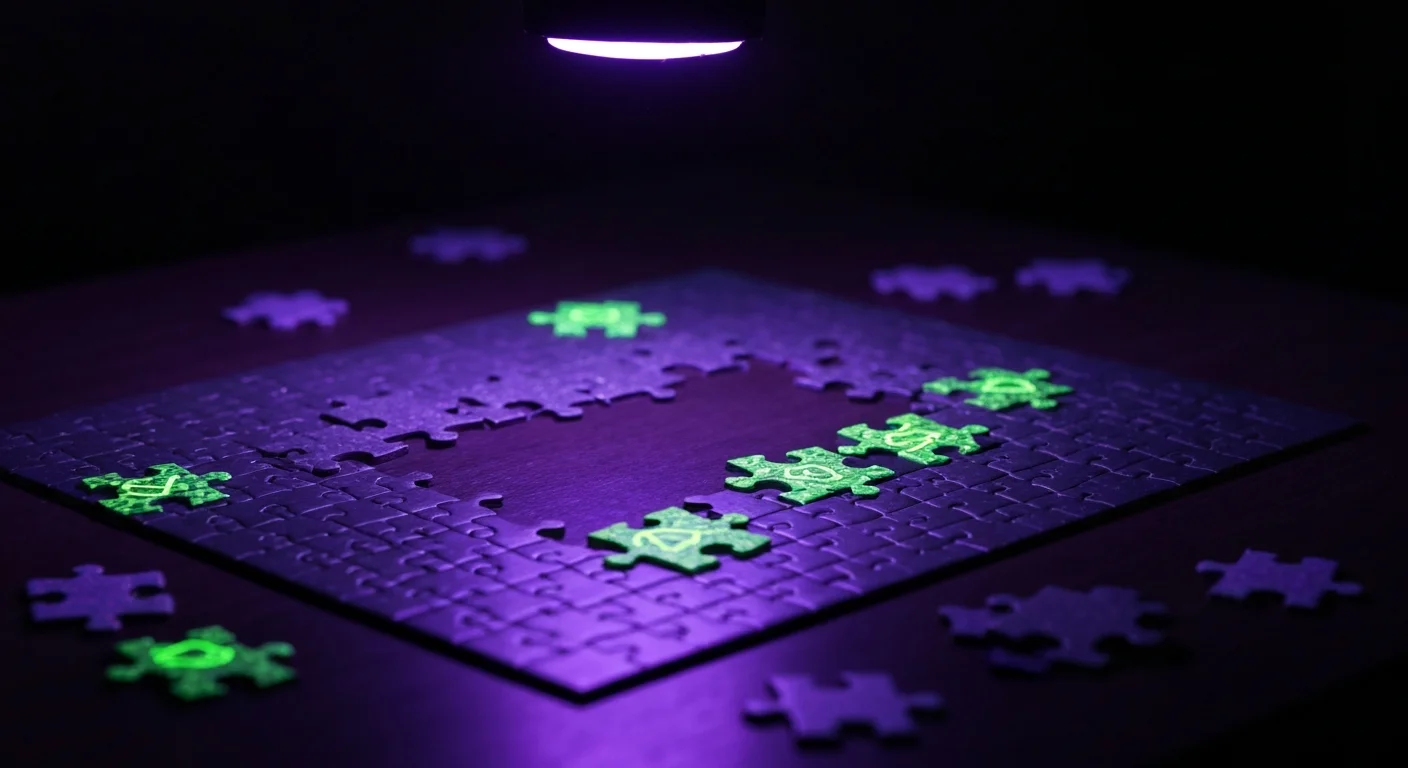
Detta kombinerar två typer av pussel till en tillfredsställande upplevelse. Ta ett vanligt pussel (max 25–50 bitar – du vill inte att det ska ta upp halva spelet) och montera det i förväg. Skriv ett dolt meddelande med en fluorescerande tuschpenna på det färdiga pusslet, bryt sedan isär det igen och sprid ut bitarna.
Spelarna sätter ihop pusslet i tron att det ska avslöja en bildledtråd. Det gör det – men de kommer att märka att bilden i sig inte är logisk som kod. Det riktiga svaret visas bara när de träffar det färdiga pusslet med en svart lampa, vilket avslöjar det fluorescerande meddelandet under. Dubbelt pussel, dubbel tillfredsställelse.
Jag gillar att använda detta tidigt i ett spel eftersom pussel är en välbekant, icke-hotfull aktivitet som får gruppen att värmas upp och arbeta tillsammans. Blacklight-avslöjandet sätter sedan tonen: "ingenting i det här rummet är vad det verkar."“
29. Bokchiffer
Om du har en bokhylla i ditt escape room (eller kan sätta upp en) är ett bokchiffer elegant och förvånansvärt svårt att knäcka utan nyckeln.
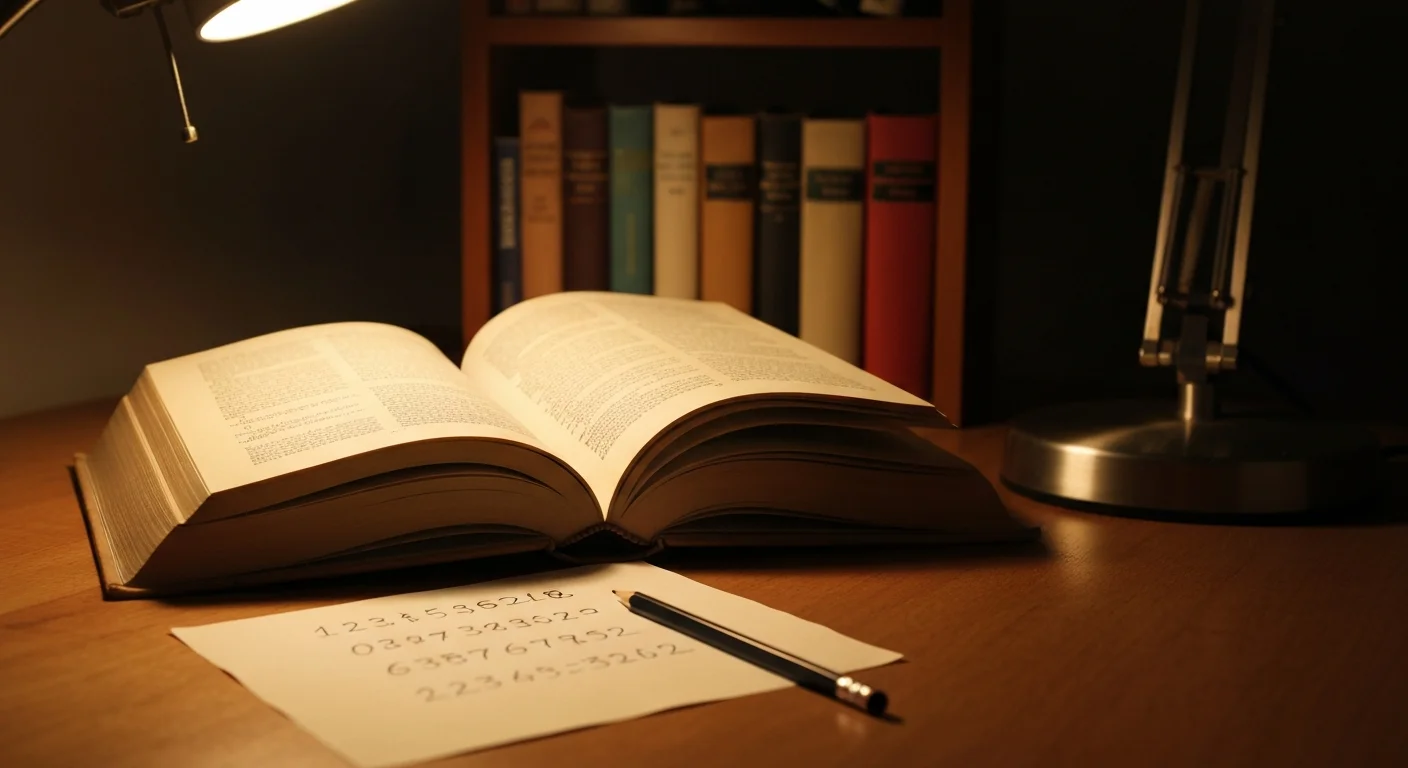
Välj en specifik bok och skriv en serie med tripletter: sidnummer, radnummer, ordnummer. Till exempel betyder "42-7-3" sidan 42, rad 7, tredje ordet. Varje triplett ger ett ord av meddelandet. Sätt ihop dem så har du en ledtråd som är omöjlig att avkoda utan att hitta rätt bok först.
Lämna en subtil ledtråd om vilken bok du ska använda – kanske en markerad titel i en "att-läsa"-lista, eller ett bokmärke som sticker ut ur en specifik bok. Det fina med det här pusslet är att det använder ett verkligt föremål på ett sätt som spelarna inte skulle förvänta sig. Jag har använt en kokbok, en barnbok och en gång till och med en IKEA-katalog. Ju mer oväntad boken är, desto mer minnesvärt blir pusslet.
30. Färgblandning
Den här använder grundläggande färgteori och den är förvånansvärt knepig för vuxna som inte har tänkt på primärfärger sedan grundskolan.
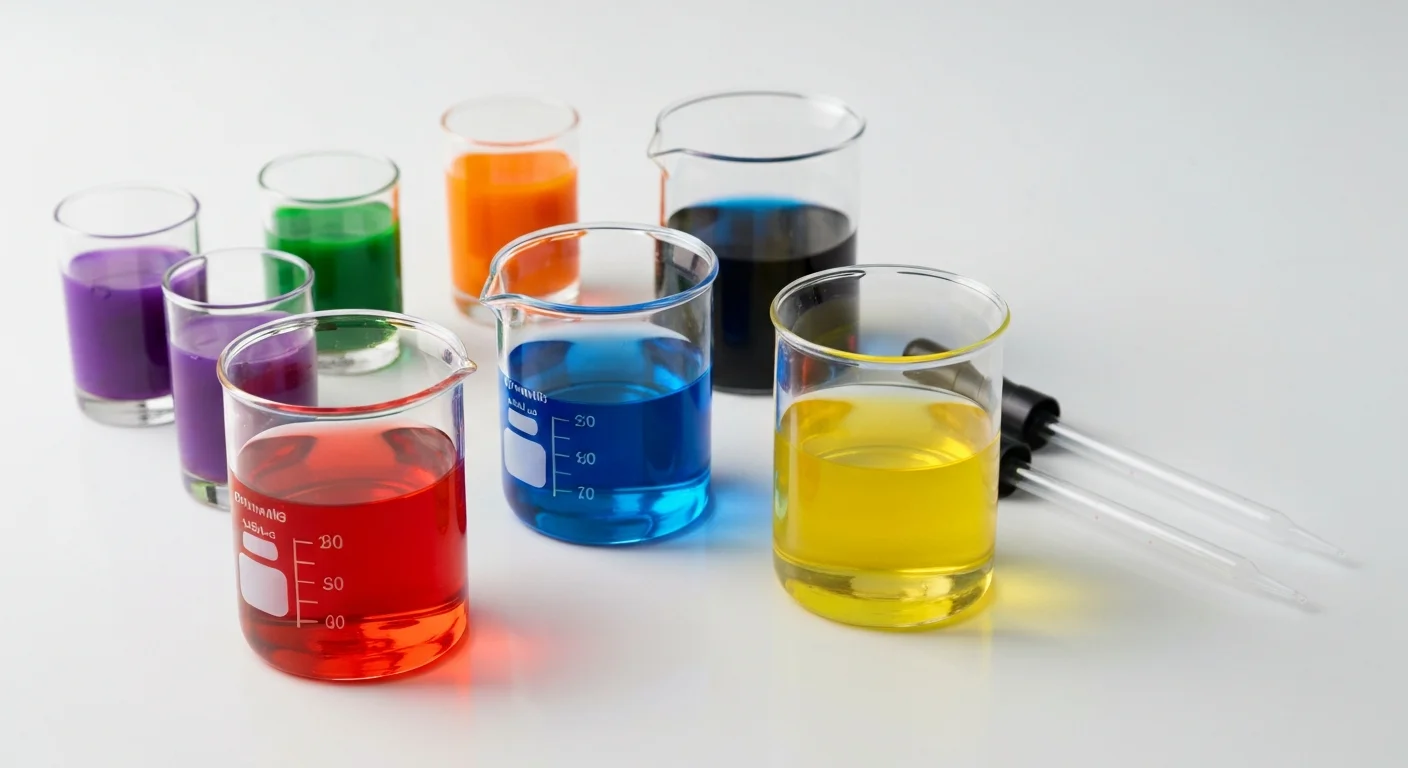
Ställ upp tre genomskinliga behållare med färgat vatten – rött, blått och gult. Ge en ledtråd som refererar till sekundärfärger: “Den första siffran är avundens färg. Den andra är solnedgångens färg. Den tredje är kungligheternas färg.” Spelarna behöver lista ut: grönt = rött + gult (siffran är där de två behållarna är placerade), orange = rött + gult, lila = rött + blått.
Du kan ta det ett steg längre genom att låta spelarna blanda färgerna med små koppar och droppar. När de får rätt kombination matchar den blandade färgen en färgprov på ett referenskort som visar ett nummer. Det är praktiskt, visuellt och känns mer som ett vetenskapligt experiment än ett traditionellt pussel – vilket är just därför det fungerar så bra, särskilt med barn.
Tips för att designa fantastiska Escape Room-pussel
Efter år av professionell speldesign återkommer jag till följande principer varje gång:
- Blanda svårighetsgrader. Varva svåra logikpussel med enklare uppgifter. Om spelare klarar tre svåra pussel i rad minskar energin snabbt.
- Kedja ihop dina pussel. De bästa escape rooms har pussel som kompletterar varandra – att lösa ett pussel ger dig en pusselbit som behövs för ett annat. Det skapar momentum.
- Testa alltid först. Det som verkar självklart för dig (personen som designade det) kan vara omöjligt för nya ögon. Kör ditt spel med minst en testgrupp.
- Bygg in ett ledtrådssystem. Även proffs kör fast. Ha 2–3 ledtrådar redo för varje pussel så att du kan knuffa fram dem utan att bli av med dem.
- Gör det personligt. De pussel som får störst reaktioner är de som innehåller interna skämt, personliga foton eller anpassade frågor. Ett generiskt pussel är bra; ett personligt pussel är oförglömligt.
Sist men inte minst
Använd din fantasi. Ta din kreativitet till nästa nivå. Försök att lägga till ovanliga idéer. Väck ditt inre barn.
Mitt escape room-team kände direkt hur mycket kärlek jag lade ner i spelet. Det var inte dekorerat med dyra föremål, det inkluderade inga fina prylar och det var inte perfekt. Men vi alla – inklusive jag – hade den bästa tiden i våra liv, bättre än något professionellt rum vi hade varit i. Positiv energi, leenden, skratt, roliga bilder på mitt team som hängde runt i rummet, interna skämt invävda mellan pusselraderna… den upplevelsen kan man inte få någon annanstans än i sitt eget gör-det-själv-escape room.
Människor är ofta omedvetna om hur kreativa de egentligen är förrän de lägger ner allt hjärta i något de älskar. Så bygg något som dina vänner kommer att prata om i åratal.

Relaterad läsning
- 25 kreativa gör-det-själv-teman för Escape Rooms
- Hur man anordnar ett Escape Room-födelsedagsfest hemma
- Escape Room Teambuilding: Den kompletta guiden
Våra färdiga spelsatser
Välj ett spel, skriv ut och spela - så enkelt är det!
-
Professor Svöns laboratorium
Det ursprungliga priset var: $24.90.$19.90Det nuvarande priset är: $19.90.Ålder: 9-1345-60 minuter2-5 barn -






Lämna ett svar