







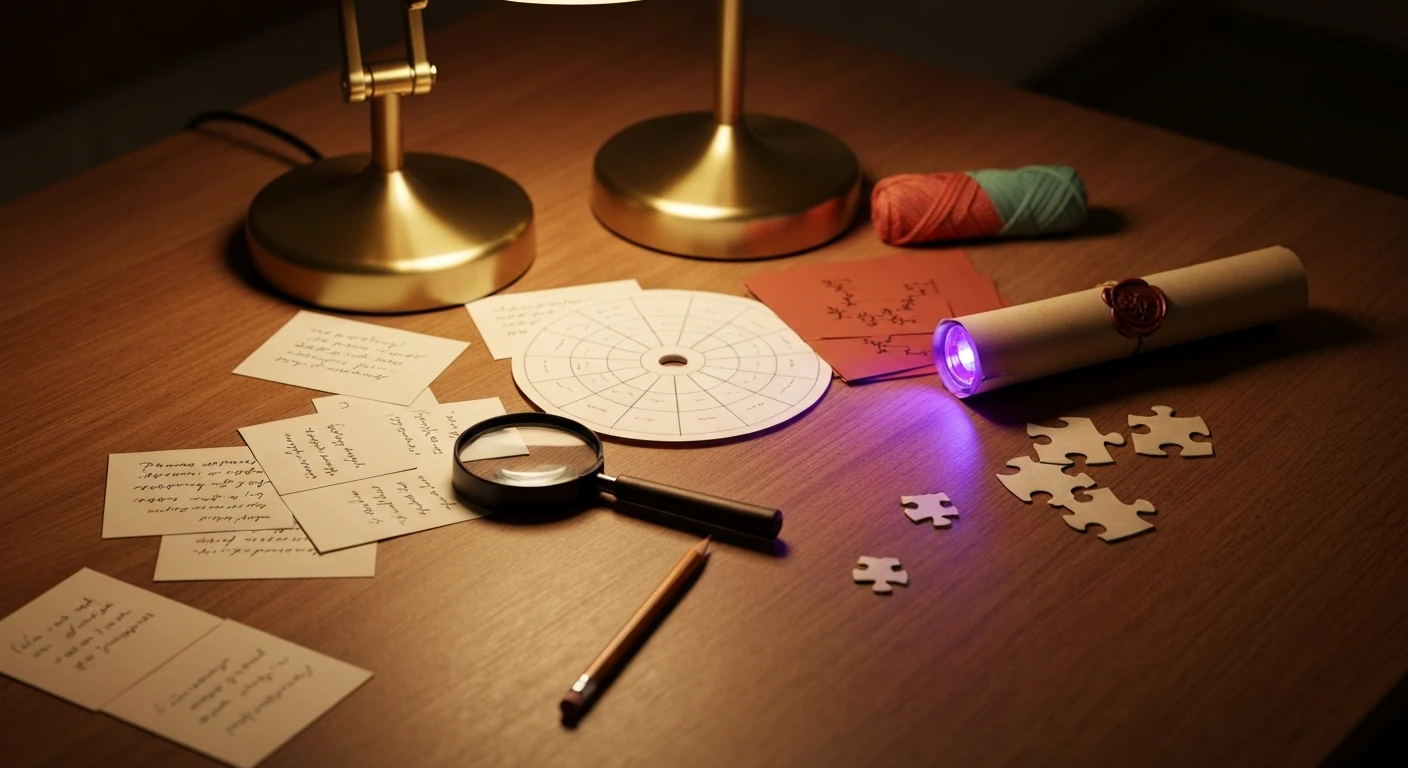
Nel mio articolo precedente, Vi ho spiegato come ho costruito la mia prima escape room fai-da-te da zero. Da autoproclamato Game Master, ero entusiasta e i miei amici si sono divertiti un mondo. Oggi condividerò con voi gli enigmi che ho progettato, oltre a molti altri che ho imparato nel corso degli anni creando kit per escape room professionalmente.
Ecco il punto cruciale degli enigmi delle escape room: se sono troppo facili, nessuno si sente soddisfatto. Se sono troppo difficili, le persone si frustrano e si arrendono. La vera abilità sta nel trovare il giusto equilibrio: abbastanza impegnativo da risultare gratificante, ma abbastanza fattibile da non far mollare tutto a metà per la frustrazione dei giocatori.
Dopo aver progettato decine di giochi a cui hanno partecipato oltre 21.000 persone in tutto il mondo, ho imparato cosa funziona e cosa no. Ecco la mia lista completa di idee per enigmi che puoi copiare per la tua escape room fai-da-te.
1. Carta su carta
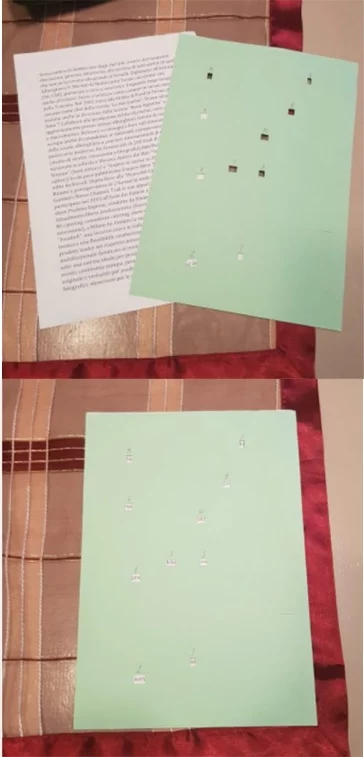
Questo gioco rivela un messaggio nascosto usando solo due fogli di carta. È semplice da realizzare e suscita sempre una grande reazione.
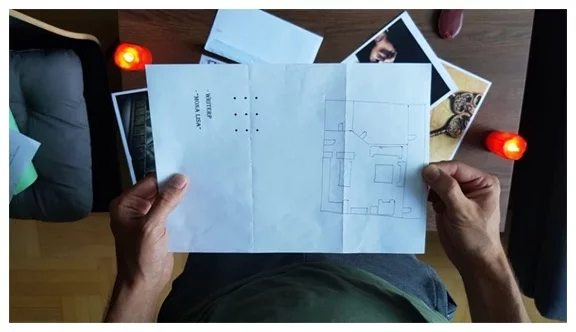
Avrete bisogno di due fogli: uno con un testo intrigante e apparentemente non correlato (io ho usato l'italiano) e un altro foglio bianco che fungerà da decodificatore segreto. Sul foglio bianco, ritagliate con cura delle piccole finestrelle, posizionandole in modo che, quando lo sovrapponete al primo foglio, ogni foro riveli una sola lettera del testo sottostante. Queste lettere, lette insieme, formeranno un indizio nascosto.
Nel mio gioco, il messaggio nascosto era "controlla l'idrante", dove avevo celato l'indizio successivo. I miei amici hanno passato ben cinque minuti a cercare di leggere il testo in italiano prima che qualcuno pensasse di usare la sovrapposizione. Nel momento in cui l'hanno capito, è stata pura magia.
2. Testo invisibile
Questo è uno di quei rompicapo con "effetto wow" che non delude mai. C'è un messaggio invisibile su un foglio di carta che appare solo quando lo si immerge nell'acqua. Niente sostanze chimiche, niente penne a inchiostro invisibile: solo oggetti di uso comune.
Ti servirà: 2 fogli di carta, una matita, acqua in un vassoio e una superficie liscia (Uno specchio funziona perfettamente).
- Immergi un foglio nell'acqua e stendilo in piano sullo specchio.
- Posiziona il lenzuolo asciutto sopra quello bagnato.
- Scrivi il tuo messaggio segreto sul foglio asciutto con una matita, premendo con decisione.
- Butta via il lenzuolo asciutto: non ti servirà più.
La pressione trasferisce una debole impronta sulla carta bagnata. Una volta asciugata completamente, l'impronta scompare. Quando i tuoi giocatori immergono il foglio nell'acqua, il messaggio riappare, ed è in quel momento che si rendono conto che sei un master fantastico.
Preparate questo foglio almeno un'ora prima dell'inizio della partita, in modo che la carta si asciughi completamente.
3. Coordinate GPS
Questo rompicapo è uno dei miei preferiti in assoluto perché costringe i giocatori a pensare fuori dagli schemi, letteralmente fuori dalla stanza.
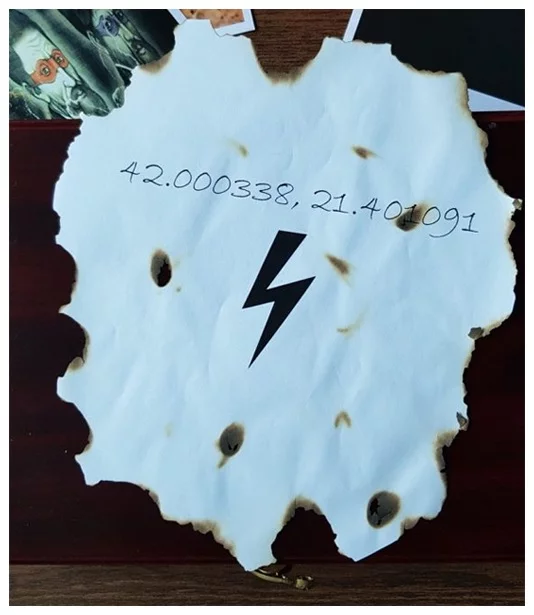
Ho nascosto un pezzo di carta con un grande numero sopra. Almeno una persona in qualsiasi gruppo lo riconoscerà come coordinate GPS. Dato che i miei giocatori potevano usare tutto ciò che c'era nella stanza, gli smartphone erano a disposizione. Qualsiasi app GPS li avrebbe portati a destinazione.
“Ma aspetta... come si fa a uscire dalla stanza durante una escape room?” Ecco il punto. Quando ho cambiato l'obiettivo da "fuggire dalla stanza" a "trovare il tesoro nascosto", si è aperto un mondo di nuove possibilità. I giocatori non sono rinchiusi e l'enigma del GPS diventa uno dei momenti più memorabili del gioco.
Il luogo che ho scelto era di fronte al mio appartamento, vicino all'ingresso della scuola superiore. Ho lasciato lì una busta con l'indizio successivo. Dato che i satelliti GPS hanno un margine di errore di ±5 metri, scegliete un punto di riferimento difficile da non notare e nascondete la busta accanto ad esso. Ho disegnato un simbolo di elettricità accanto al numero delle coordinate come suggerimento e ho bruciato i bordi della carta in modo che sembrasse colpita da un fulmine.

4. Mappa dell'appartamento
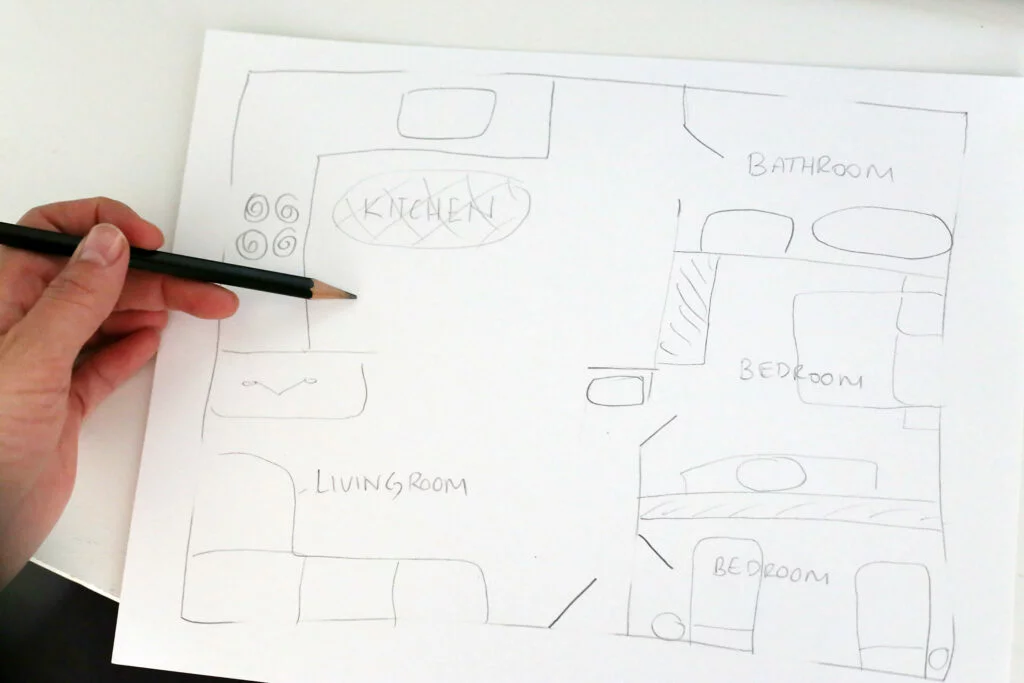
Trasforma lo spazio che i tuoi giocatori già conoscono in una mappa del tesoro. Disegna una semplice mappa del tuo appartamento, segna un punto con una "X" e nascondi un indizio esattamente in quel punto.
Il segreto è rendere l'oggetto nascosto davvero difficile da trovare. Non bisogna permettere a nessuno di inciamparci prima ancora di aver visto la mappa. Nella mia versione, ho nascosto un cellulare tra i cuscini del divano: è diventato lo strumento chiave per risolvere l'enigma successivo.
Guardare i miei amici che si affannano per l'appartamento, mappa alla mano, sentendosi come dei moderni Indiana Jones: ecco cosa rende l'organizzazione di una escape room fai-da-te così gratificante.
5. Luci UV
Le luci UV sono un elemento imprescindibile nelle escape room professionali, ma non servono attrezzature costose. Un pennarello giallo fluorescente e una normale lampada sono tutto ciò che serve.
Creare l'inchiostro invisibile
Alcune persone combinano un vero disastro provando questo metodo: aprono i pennarelli con le pinze, li fanno bollire nel microonde, li lavano in acqua calda. Il risultato è un incubo fluorescente in tutta la cucina. Ecco il mio metodo più semplice, altrettanto efficace:
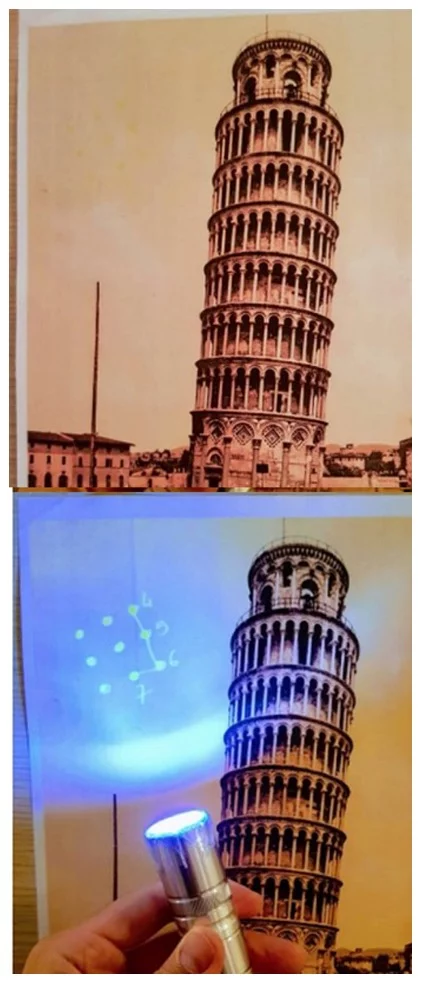
Prendi un'illustrazione o una foto con uno sfondo scuro e scrivici sopra l'indizio usando un pennarello fluorescente giallo. Appendila a una parete in un luogo poco illuminato. Il messaggio rimarrà nascosto in bella vista finché qualcuno non lo illuminerà con una luce nera.
Mancia: Invece di una semplice immagine scura, scegline una che si abbini al tema della tua escape room, come ho fatto io con la Torre Pendente di Pisa. Anche in piena luce, l'immagine funge da esca, camuffando il tuo messaggio come un vero maestro del travestimento.
Come realizzare una lampada a luce nera fai da te
Puoi usare una normale lampada a batteria o persino la torcia di uno smartphone. Applica un pezzetto di nastro adesivo trasparente sulla luce, coloralo con un evidenziatore blu, aggiungi un altro strato di nastro, colora di nuovo e ripeti l'operazione per cinque volte. Avrai così una lampada a luce nera fai-da-te che funziona davvero.
6. App di riconoscimento facciale
Questa idea porta la tecnologia nella tua escape room e lascia sempre tutti a bocca aperta.
Ho stampato un mucchio di immagini a tema italiano e le ho sparse per la stanza. Una di queste era un ritratto di Leonardo da Vinci. Nascosto nel divano c'era un telefono con un'app di riconoscimento facciale installata (qualcosa di simile ad AppLock con riconoscimento facciale e vocale). Avevo addestrato l'app a riconoscere il volto di Da Vinci dal ritratto.
Quando i giocatori hanno capito di dover scansionare il ritratto di Da Vinci con il telefono, sullo schermo è apparso un codice di 4 cifre: la combinazione per la serratura successiva. Un'atmosfera tipica di Mission Impossible.
Alcuni consigli pratici: "addestra" l'app scansionando più volte il ritratto stampato durante la configurazione. Esegui delle prove con diverse condizioni di illuminazione e distanze. La qualità può variare a seconda dell'app e del telefono, quindi fai una prova prima dell'arrivo degli ospiti.

7. Codice Morse
Decifrare il codice Morse ti fa sentire come Alan Turing quando decifrò la macchina Enigma. Converte sequenze di luce, suono o battiti in testo, ed è sorprendentemente facile da configurare.
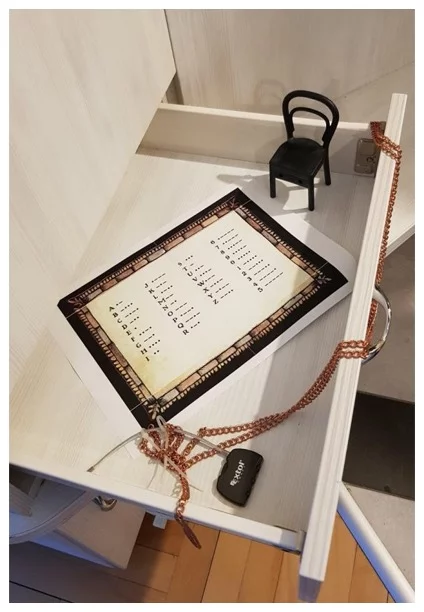
Ecco cosa ho fatto: ho installato un'app per il codice Morse su uno smartphone, ho digitato la combinazione della serratura e ho posizionato il telefono nel punto in cui di solito si trova la lampadina del lampadario. La torcia del telefono ha lampeggiato visualizzando il codice Morse.
A un certo punto del gioco, i giocatori trovano una carta con l'alfabeto Morse. Ed ecco che si capisce: la luce intermittente che indica "rotto" non è affatto rotta, ma è un messaggio cifrato. Quando riescono a decifrarlo e ad aprire la serratura, la sensazione di soddisfazione è enorme. Non è un enigma facile, ma è proprio questo che lo rende così appagante.
Assicurati che la batteria del telefono duri almeno un'ora di trasmissione continua in codice Morse con la torcia.
8. Testo minuscolo minuscolo minuscolo
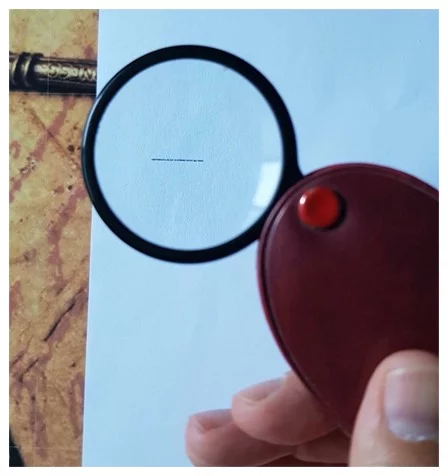
Questo enigma farà strizzare gli occhi ai vostri giocatori come Clint Eastwood finché non troveranno la lente d'ingrandimento che avete nascosto in una delle scatole chiuse a chiave. Stampate l'indizio in Times New Roman, dimensione 2, su un normale foglio di carta. Assicuratevi di usare una stampante laser di buona qualità: una a getto d'inchiostro non sarà sufficiente a quelle dimensioni.
È semplicissimo da preparare e strappa sempre una risata quando qualcuno finalmente capisce perché non riesce a leggere quel foglio "bianco".

9. Domande personalizzate
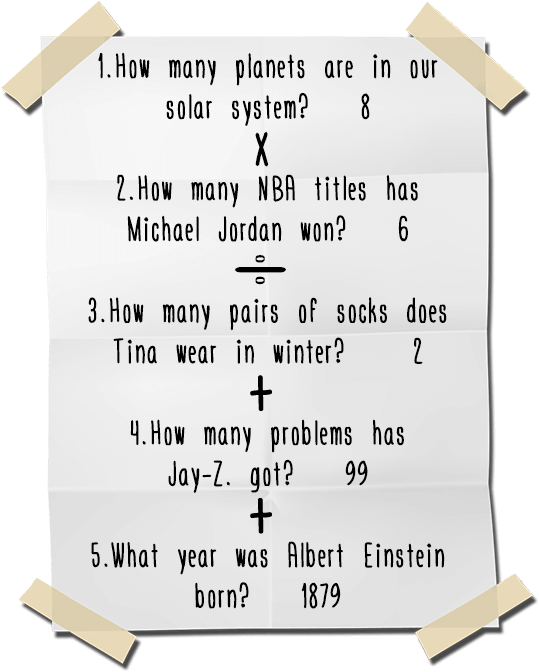
Questo è il modo perfetto per concludere la tua escape room, soprattutto se giochi con amici intimi o familiari. Dato che conosci bene ognuno di loro – la loro canzone preferita, il cibo preferito, le ossessioni, le battute private – puoi creare domande personalizzate a cui solo loro possono rispondere.
Uno dei miei amici è ossessionato dall'astronomia, quindi la sua domanda era: "Quanti pianeti ci sono nel nostro sistema solare?". Un altro è un grande appassionato di NBA: "Quanti titoli NBA ha vinto Michael Jordan?".“
Ogni risposta è un numero e, combinati, formano la combinazione finale del lucchetto (in questo caso, 1990). Questo enigma costringe la squadra a collaborare attivamente: ognuno ha un pezzo del puzzle, nessuno può risolverlo da solo. È senza dubbio il momento più emozionante di qualsiasi gioco che abbia mai presentato.
10. Giochi e attività interattive
Non tutte le sfide devono essere rompicapo. Quando si pensa a una "escape room", vengono in mente enigmi logici e momenti di "illuminazione". Ma per mantenere alto il livello di coinvolgimento, è necessario inserire anche attività pratiche che si basino più sull'azione che sulla riflessione.
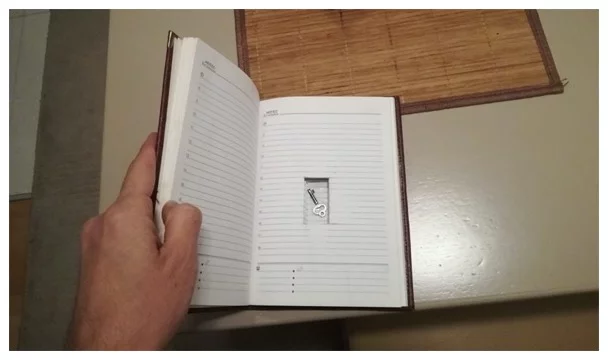
Esempio 1: Trovare una chiave nascosta non richiede di risolvere alcun enigma, ma solo di cercarla con attenzione. È una sorta di intermezzo tra un enigma più difficile e l'altro.
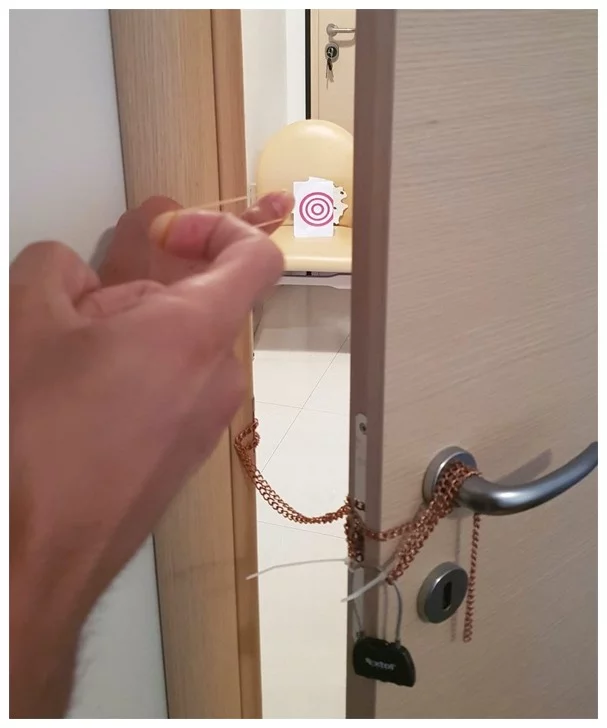
Esempio 2: Ho nascosto un indizio in una stanza dietro una porta chiusa con una catena e un lucchetto, socchiusa quel tanto che bastava per vedere all'interno ma non per entrare. Davanti all'indizio, ho posizionato l'illustrazione di un bersaglio che copriva il codice del lucchetto. I giocatori dovevano lanciare degli elastici contro il bersaglio per farlo cadere. Quando si sente un "Evviva!" provenire dall'altra stanza, significa che qualcuno ha indovinato.
Questi compiti dettano il ritmo. Danno ai giocatori una spinta di fiducia tra gli enigmi più difficili e mantengono tutti coinvolti, anche coloro che non sono bravi nei problemi di logica.
11. Ruota della cifratura
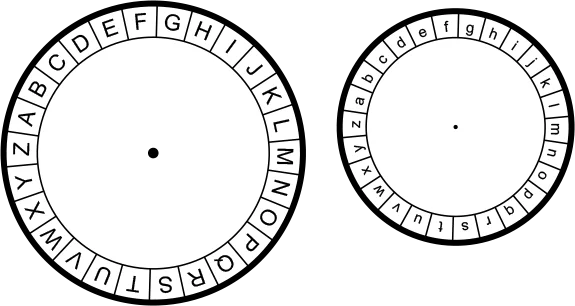
Una ruota cifrante è composta da due dischi di carta rotondi uniti al centro da un fermaglio metallico. Ruotandoli fino al corretto allineamento, è possibile decifrare un messaggio segreto trascrivendo le lettere dal disco esterno a quello interno.
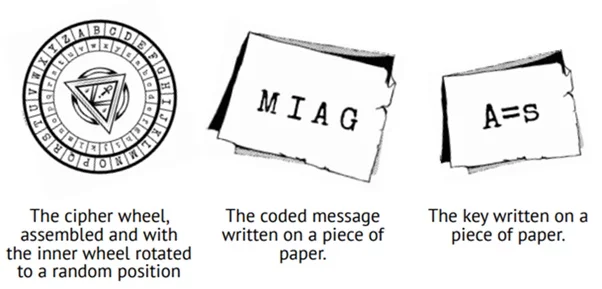
Questi simboli sono stati usati nello spionaggio reale per secoli, quindi si adattano perfettamente a temi che coinvolgono società segrete, spie o l'esercito. I giocatori potrebbero perdere la pazienza decifrando testi lunghi, quindi è meglio attenersi a una singola parola o a una breve frase, senza spazi: "guarda fuori dalla finestra". Anche i numeri funzionano, purché siano scritti per esteso: "unocinquedue".“
Iniziate decidendo la vostra soluzione, poi scegliete una chiave che definisca l'allineamento dei dischi (ad esempio, "A = s"). Impostate la ruota e codificate la vostra risposta, lettera per lettera, dal disco interno a quello esterno. Nascondete separatamente il messaggio cifrato, la chiave e la ruota cifrante in diversi punti della stanza. Lasciate che i giocatori scoprano da soli il collegamento tra di loro.
La differenza tra maiuscole e minuscole nei dischi esterni e interni è intenzionale: aiuta i giocatori a capire in quale direzione traslare. Anche l'utilizzo dello stesso carattere tipografico sulla ruota e negli indizi contribuisce a facilitare il collegamento.
12. Disposizione delle strisce di carta
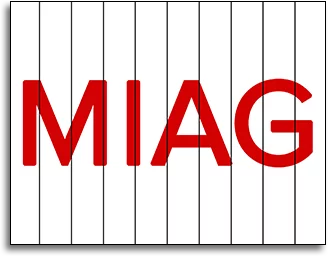
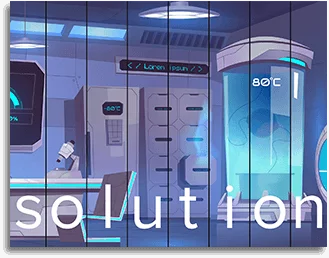
Forse il rompicapo più semplice di questa lista, ma perfetto per essere risolto in gruppo. Scrivete l'indizio segreto in caratteri grandi su un foglio A4, poi tagliatelo a strisce di circa due centimetri e mezzo di larghezza. Assicuratevi che i tagli attraversino le lettere. Nascondete le strisce nella stanza e lasciate che i giocatori le ricompongano come un puzzle.
Il bello è che i giocatori possono usare le forme delle lettere stesse per capire l'ordine corretto. Per una versione più difficile, si può mettere una sola lettera per striscia e aggiungere un'immagine sotto che indichi la disposizione corretta.
Questo enigma può nascondere molto più di un semplice codice: si potrebbe celare un intero "documento segreto" che i giocatori devono ricomporre. Abbiamo utilizzato questa meccanica in diversi dei nostri giochi professionali e ha sempre riscosso successo, spingendo le persone a riunirsi attorno a un tavolo e a collaborare.
Mettete alla prova la soluzione prima del giorno della partita: la riuscita di questo enigma dipende interamente da come effettuate i tagli.

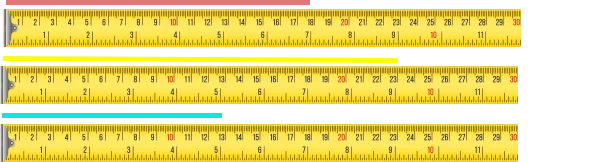
13. Metro a nastro
Utilizzare in modo creativo oggetti di uso comune è un elemento fondamentale delle escape room fai-da-te. Un metro a nastro è uno di quegli oggetti che i giocatori tendono a trascurare finché non si rendono conto che fa parte del gioco.
Ecco come procedere: scegliete un codice di 3 cifre, poi tagliate tre pezzi di filo, ciascuno della lunghezza (in centimetri o pollici) di una cifra. Usate un colore diverso per ogni pezzo e spargeteli per la stanza.
I giocatori non collegheranno immediatamente il filo al metro, quindi serve un indizio visivo. Disegnate su un foglio di carta l'immagine di un metro a nastro in tre colori diversi, con una freccia che indica l'ordine. Una volta che avranno misurato la lunghezza di ciascun filo e letto le cifre nell'ordine corretto, avranno trovato la combinazione.


14. Tavola periodica
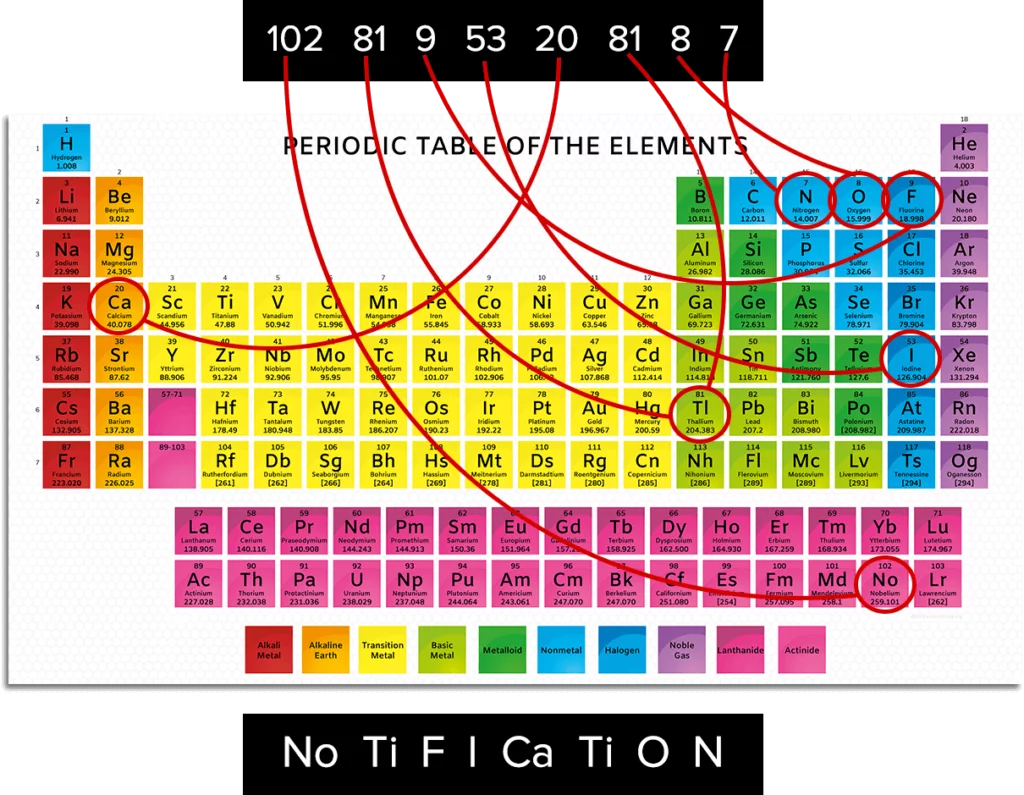
I cifrari a sostituzione classici hanno uno svantaggio: alcuni giocatori li riconoscono all'istante, rovinando il divertimento a tutti gli altri. Ecco perché mi piace trasformare la tavola periodica in un cifrario personalizzato: utilizza lo stesso principio, ma risulta completamente nuovo.
Ogni elemento ha un simbolo di una o due lettere, e puoi combinarli per formare parole. Ad esempio: NoTiFICaTiON. Funzionano più parole di quanto immagini.
Scrivi i numeri degli elementi in sequenza su un foglio di carta (ad esempio, "102 81 9 53 20 81 8 7" - non dimenticare gli spazi, sono importanti). Per collegare i numeri alla tabella, potresti usare un codice colore che corrisponda ai colori delle categorie di elementi, oppure visualizzare ciascun numero nell'angolo in alto a destra di un quadrato, replicando il layout della tabella.
15. Labirinti
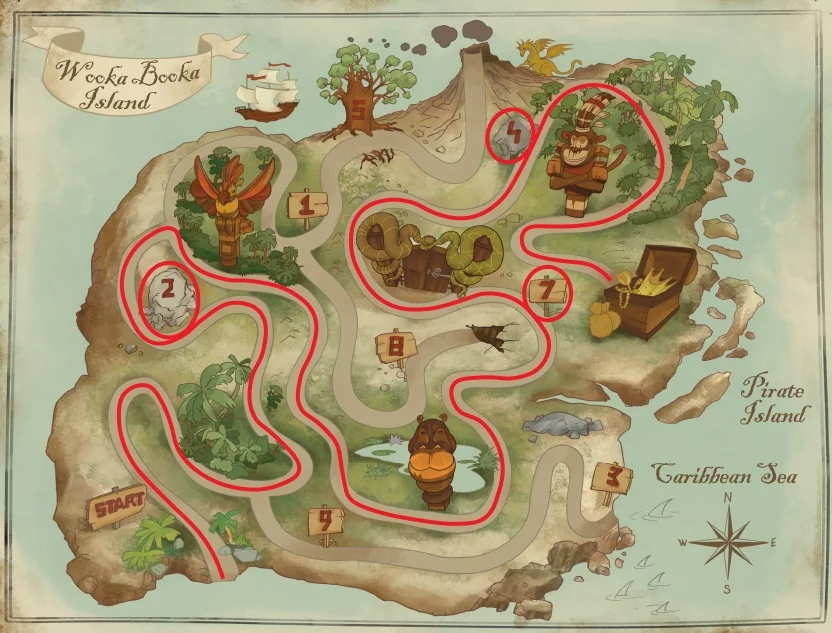
I classici enigmi come i labirinti vanno usati con cautela nelle escape room: se i giocatori conoscono già le regole, l'enigma diventa una seccatura anziché una scoperta. Ma con la giusta variante, un labirinto funziona a meraviglia.
Risolvi prima il labirinto da solo. Su una copia nuova, scrivi le lettere della tua risposta lungo il percorso corretto. Inserisci lettere casuali in tutti gli altri spazi in modo che il percorso corretto non sia ovvio. I giocatori risolvono il labirinto e leggono le lettere che incontrano per svelare il codice.
È veloce da realizzare, appagante da risolvere e offre un piacevole diversivo tra i rompicapo logici più complessi.
16. Corrispondenza del modello
Molti enigmi delle escape room si basano sulla capacità dei giocatori di stabilire un collegamento intuitivo tra indizi che condividono una proprietà comune: colore, forma, dimensione o schema. Questo tipo di enigma, invece, impone tale collegamento.
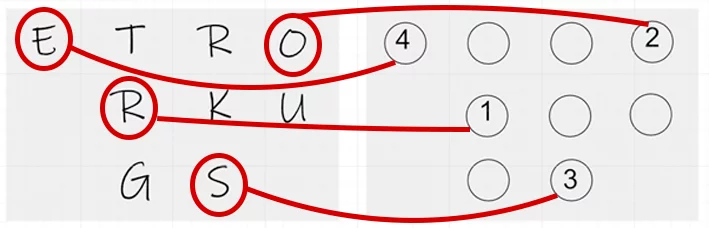
Scrivi le lettere della tua soluzione in modo casuale all'interno di una griglia dalla forma particolare. Estendi la griglia con simboli di distrazione. Questo è il tuo primo indizio.
Il secondo indizio utilizza la stessa griglia, ma con cerchi al posto delle lettere. I cerchi che corrispondono alle lettere della soluzione sono numerati per indicarne l'ordine nella parola corretta.
Nel nostro esempio, abbiamo usato la parola ROSE: quattro lettere sparse in una griglia riconoscibile, con una griglia numerata corrispondente nascosta dietro un lucchetto. Lasciate il primo indizio in bella vista e nascondete il secondo dietro un altro enigma. I giocatori devono risolvere un enigma per ottenere lo strumento per il successivo: questo è il tipo di struttura a cascata che rende le escape room così avvincenti.
17. Estrarre un messaggio segreto da una lettera
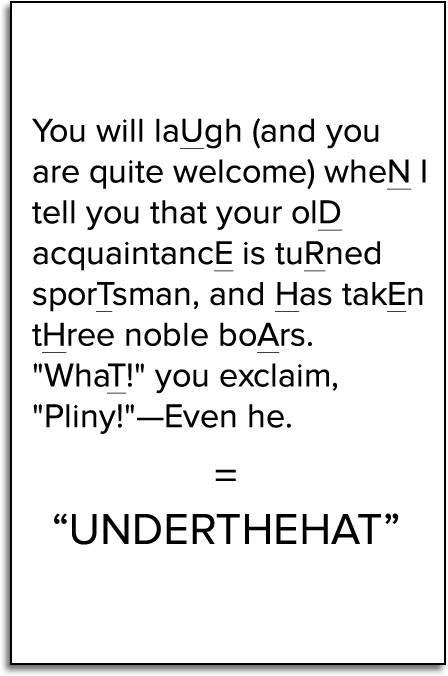
Iniziare una escape room con una lettera che introduce l'ambientazione è un ottimo modo per raccontare la storia. È anche il luogo perfetto per nascondere il primo indizio usando la steganografia, ovvero celando informazioni in bella vista.
Scrivi prima la tua lettera di presentazione. Poi decidi un messaggio nascosto (ad esempio, "SOTTO IL CAPPELLO"). Rileggi la lettera e segna ogni lettera del messaggio segreto man mano che la incontri:
YoU riderà (e sei il benvenuto) quandoN Ti dico che il tuo vecchioD conoscenzaE è tuRned sporTuomo e Hcome prendereEntHree noble boArs. “CosaT!" esclami…
Potresti scrivere le lettere rilevanti in maiuscolo, con un colore diverso, ometterle del tutto o contrassegnarle in qualche altro modo creativo. I giocatori che notano per primi lo schema si sentiranno dei veri e propri decifratori di codici.
18. Nascondilo nella scatola di fiammiferi
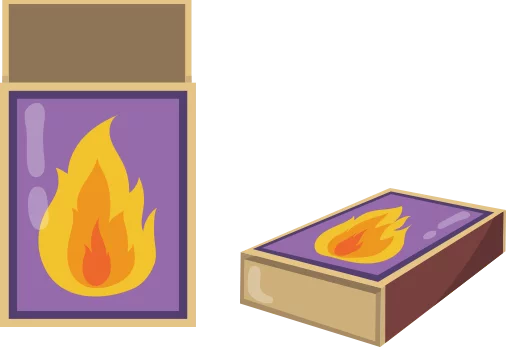
A volte è necessario nascondere un indizio così bene che una normale perquisizione della stanza non lo troverà, ma un suggerimento mirato più avanti nel gioco condurrà i giocatori direttamente lì. Il momento in cui i giocatori esclamano "Era qui da sempre!" è una delle reazioni più gratificanti che si possano ottenere.
Una scatola di fiammiferi è perfetta per questo scopo perché è un oggetto domestico così comune e può essere utilizzata in diversi modi ingegnosi:
- Codificare le informazioni nella disposizione stessa delle partite
- Scrivi un indizio in basso, nascosto sotto i fiammiferi
- Nascondi un piccolo oggetto all'interno
- Scrivi all'interno della copertina
Per indirizzare i giocatori verso questa soluzione in seguito, si può fare in modo che "MATCHBOX" sia la soluzione di un enigma precedente. Semplice, efficace, appagante.
19. Indizi per cruciverba
I cruciverba completi richiedono troppo tempo per una escape room, ma prendere in prestito il formato degli indizi è una mossa intelligente. Invece di dare la risposta "SCATOLA DI FIAMMIFERI" direttamente, camuffala come: "PICCOLO CONTENITORE INFIAMMABILE". Puoi usare i risolutori di cruciverba online per generare questi indizi inserendo la soluzione con le lettere che conosci.
Per gli amanti delle parole, provate gli indizi criptici dei cruciverba. La forma più semplice nasconde una parola all'interno dell'indizio stesso:
Sono uno stile distinto di indizi di puzzle che incorporano giochi di parole, anagrammi e omofoni per indirizzare erroneamente e sfidare il risolutore. Richiedono sia un pensiero laterale che una profonda conoscenza della lingua, giocando spesso su molteplici significati di parole o frasi.
La frase “nascondersi in” indica che c’è una parola nascosta nelle lettere seguenti. Ignora gli spazi: haZMAT CHESt → “FIAMMIFERI”, che corrisponde alla definizione di “TRONCHI DI FUOCO”.”
Ho creato quell'indizio dividendo MATCHES in MAT e CHES, poi cercando parole che terminano con MAT e iniziano con CHES. Creare buoni indizi criptici è un rompicapo in sé: valuta il tuo pubblico prima di intraprendere questa strada.
20. Alfabeti per scrivere al telefono
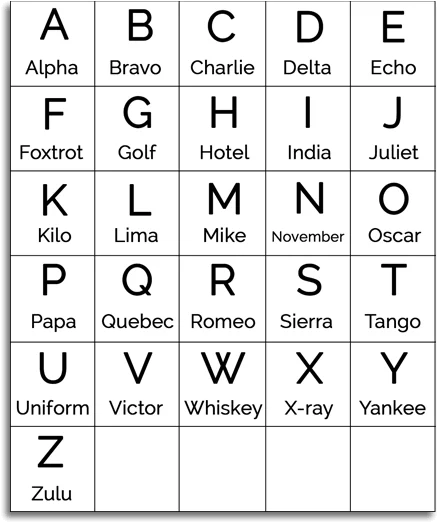
L'alfabeto fonetico NATO — Alfa, Bravo, Charlie, Delta e così via — è stato ideato per le comunicazioni radio militari, dove parole dal suono simile potevano essere confuse. Si tratta di 26 parole in codice, ognuna delle quali rappresenta una lettera, e si presta benissimo a un enigma da escape room.
Registra un indizio o un codice segreto usando l'alfabeto NATO e riproducilo tramite un vecchio registratore a cassette, un altoparlante Bluetooth o persino il messaggio di benvenuto della segreteria telefonica del tuo telefono. Lascia ai giocatori solo un numero di telefono come indizio. Quando lo chiameranno e sentiranno "Echo-Oscar-Papa-Echo-November", dovranno capire cosa significano quelle parole: una scheda di riferimento dell'alfabeto NATO nascosta da qualche altra parte nella stanza completerà l'enigma.
21. Ricerca
I puzzle di ricerca richiedono ai giocatori di ricostruire delle conclusioni a partire da documenti, foto o prove. Pensate a un giallo, ma potete adattarlo a qualsiasi tema.
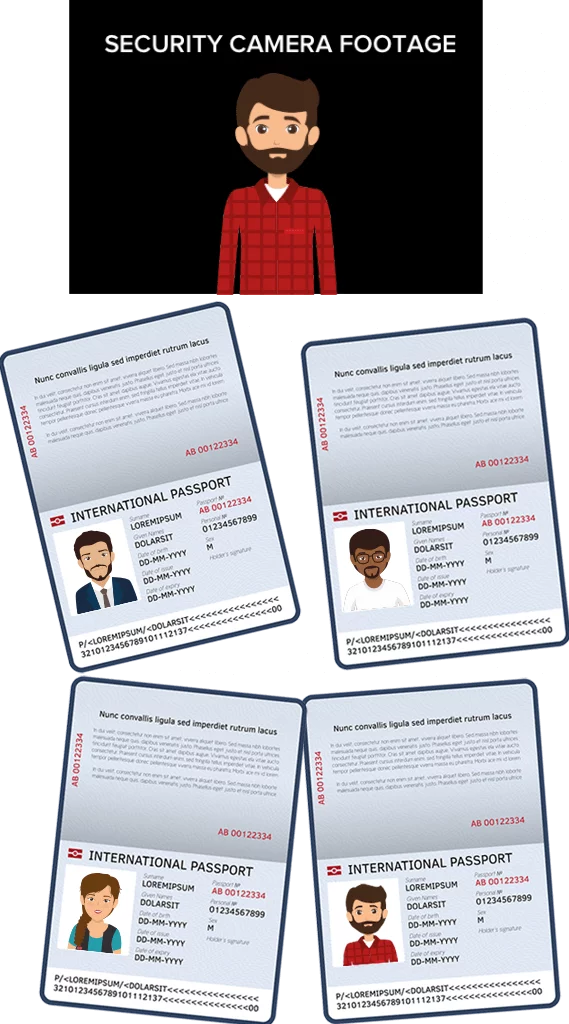
Ecco uno scenario che ho ideato: la trama del gioco prevede l'identificazione di un hacker. I giocatori hanno a disposizione le riprese di una telecamera di sicurezza (una singola foto stampata del volto di una persona) e una pila di fotocopie di pagine di passaporto di sei ospiti dell'hotel. Devono abbinare il volto al passaporto per trovare il nome. Il nome diventa il codice per la serratura successiva.
Ciò che rende efficace questo gioco è la sensazione di trovarsi in una vera indagine investigativa. I giocatori non stanno risolvendo un problema di logica astratta, bensì confrontando prove, eliminando sospetti e traendo conclusioni. Abbiamo utilizzato varianti di questo approccio in diversi dei nostri kit professionali, e si è sempre dimostrato uno dei tipi di puzzle più coinvolgenti.
22. Rompicapo di logica
Ho tenuto da parte uno dei migliori per questo spazio. Avete presente quei giochi di logica in cui bisogna abbinare tre bambini a tre dolci usando alcuni indizi? Stesso principio, ma in versione escape room.
Immaginate questa scena: da un indizio precedente, i giocatori sanno che il codice segreto è l'anno in cui un professore di geografia ha visitato il Taj Mahal. Nel suo "ufficio" c'è una mappa del mondo con delle puntine in sette luoghi meravigliosi e sette cartellini con gli anni sul pavimento (1967, 1971, 1974, 1976, 1982, 1989, 1992). Il taccuino del professore contiene indizi come:
- “Non sono mai stato in America prima del 1982”
- “Andavo in Asia solo negli anni pari”
- “Sono andato in Cina subito dopo la Giordania”
Già solo da questi indizi si può dedurre che la visita al Taj Mahal risale al 1976, anche se alcune altre combinazioni rimangono ambigue. Se temete che i giocatori tentino a mente tutte le sette combinazioni possibili, potete usare come codice le ultime cifre di quattro visite specifiche ("Italia - Giordania - Cina - India"), portando così le possibilità a 360.
Il motivo per cui questo funziona così bene in una escape room è che rispecchia la realtà all'interno del mondo di gioco. Un professore di geografia avrebbe viaggiato, e le carte sembrano semplicemente cadute dalla mappa e devono essere recuperate.

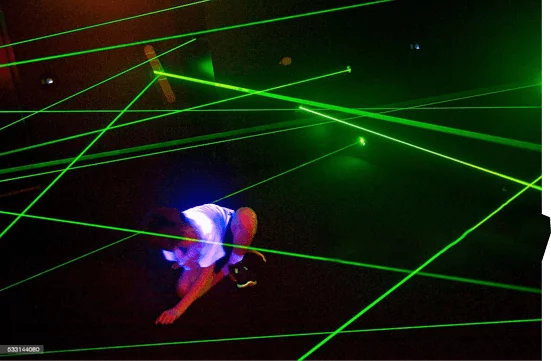
23. Labirinto laser
Se avete mai visto un film di rapine in cui qualcuno schiva raggi laser per raggiungere la cassaforte, sapete perché questo enigma è così avvincente. La buona notizia è che in realtà non avete bisogno di laser.
Ho allestito questo gioco usando del filo rosso teso lungo un corridoio a diverse angolazioni e altezze, fissandolo con del nastro adesivo alle pareti, agli stipiti delle porte e ai mobili. I giocatori devono attraversare il corridoio senza toccare nessuno dei fili. Se lo fanno, scatta un "allarme" (si può usare un campanello, un cicalino o semplicemente urlare in modo teatrale).
Alla fine del labirinto, posizionate un indizio o una chiave. Per un livello di difficoltà in più, collocate un piccolo enigma all'estremità opposta che i giocatori dovranno risolvere accovacciati tra i fili: un'esperienza allo stesso tempo divertente e stressante.
Questo rompicapo è puro divertimento fisico e si presta benissimo alle foto. I vostri giocatori pubblicheranno storie su Instagram dopo averlo completato. Assicuratevi solo che i fili siano ben fissati in modo che nessuno inciampi.
24. Ricerca di parole
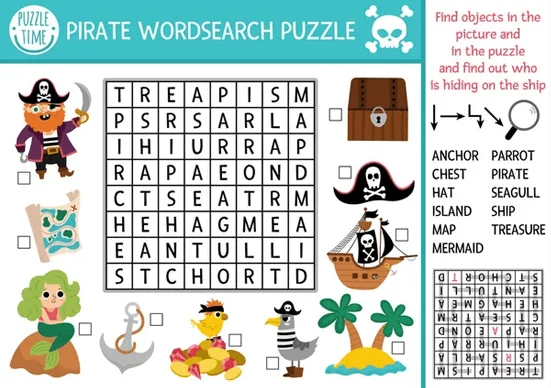
Una griglia di ricerca di parole legata al tema della tua escape room può essere più ingegnosa di quanto immagini. Il trucco sta nel far sì che l'enigma sia funzionale al gioco, e non solo un modo per riempire il tempo.
Ecco come lo utilizzo: creo una griglia con 8-10 parole a tema nascoste al suo interno: per un tema piratesco, ad esempio, "tesoro", "nave", "bussola", "ancora" e così via. Ma ecco il trucco: dopo aver trovato tutte le parole, alcune lettere rimaste nella griglia formano l'indizio successivo. I giocatori che si limitano a cerchiare le parole senza pensare alle lettere rimanenti perderanno completamente il messaggio nascosto.
Puoi rendere il gioco più difficile usando una griglia più grande, caratteri più piccoli o parole disposte al contrario e in diagonale. Consiglio di limitare l'elenco di parole a meno di 10 elementi: se è più lungo, le persone iniziano a distrarsi.
25. Puzzle audio
Il suono aggiunge una dimensione extra alle escape room, un aspetto che la maggior parte delle configurazioni fai-da-te trascura. Ho utilizzato enigmi sonori in diversi modi e colgono sempre di sorpresa i giocatori.
La versione più semplice: registra un messaggio sul tuo telefono che contenga un indizio, magari una serie di numeri pronunciati con uno strano accento, o una frase con sillabe enfatizzate che formano una parola. Nascondi il telefono in un cassetto o dentro una scatola, imposta un timer per la riproduzione, oppure impostalo come suoneria che si attiva quando i giocatori chiamano un numero specifico.
Un approccio più avanzato: riprodurre un effetto sonoro (il verso di un uccello, il suono di un orologio, una nota musicale) e associarlo a una lettera o a un numero in base a un foglio di riferimento nascosto altrove. I giocatori hanno bisogno di entrambi gli elementi, l'audio e il decodificatore, per ottenere la risposta.
Gli indizi audio devono essere brevi e ripetibili. Non c'è niente di peggio di una registrazione di 30 secondi che i giocatori possono ascoltare una sola volta e poi discutere su ciò che hanno sentito.

26. Criptex
Se avete letto Il Codice Da Vinci, sapete già cos'è un cryptex: un contenitore cilindrico con dischi rotanti contenenti lettere che bloccano qualcosa al suo interno finché non si compone la combinazione corretta. È uno degli oggetti di scena più efficaci che si possano includere in una escape room fai-da-te.
È possibile acquistare online repliche economiche di Cryptex per 10-15 TP4T, oppure costruirne una con un tubo in PVC e dischi di cartone se ci si sente creativi. In entrambi i casi, il concetto è lo stesso: i giocatori ruotano gli anelli per comporre una parola e il cilindro si apre rivelando una chiave, un biglietto o l'indizio finale.
Ciò che rende il cryptex così efficace è la sensazione fisica: il clic degli anelli, il momento in cui si apre. I puzzle digitali vanno bene, ma niente batte qualcosa di tangibile che si tiene tra le mani. Consiglio di posizionare il cryptex verso la fine della partita, come momento culminante di "chiusura finale".
Disperdi le lettere della soluzione nei puzzle precedenti: ogni puzzle risolto fornisce una lettera, e il crittogramma le unisce tutte. Questo tipo di design a più livelli fa sì che i giocatori abbiano la sensazione di essersi davvero meritati la vittoria.
27. Scrittura speculare
È risaputo che Leonardo da Vinci scrisse i suoi quaderni interamente in scrittura speculare. Rubare quest'idea per una escape room è fin troppo facile, ed è uno di quegli enigmi che fa sospirare e sorridere i giocatori allo stesso tempo.
Scrivi l'indizio al contrario su un foglio di carta. Non solo invertire l'ordine delle parole, ma capovolgere proprio ogni lettera. A prima vista sarà illeggibile e la maggior parte delle persone non penserà subito di guardarlo allo specchio. Posiziona un piccolo specchio da qualche parte nella stanza (un piccolo specchio chiuso a chiave va benissimo) e lascia che il collegamento avvenga in modo naturale.
Per una versione a tema, si potrebbe presentare la scrittura speculare come una "pagina di diario" di un personaggio storico. Una volta ho scritto un indizio con una grafia speculare su carta simile a pergamena e l'ho sigillata con la cera. Il momento in cui qualcuno l'ha sollevata davanti allo specchio del bagno e ha gridato la risposta... ecco, quello è il tipo di reazione per cui si organizza una escape room.

28. Puzzle con luce nera
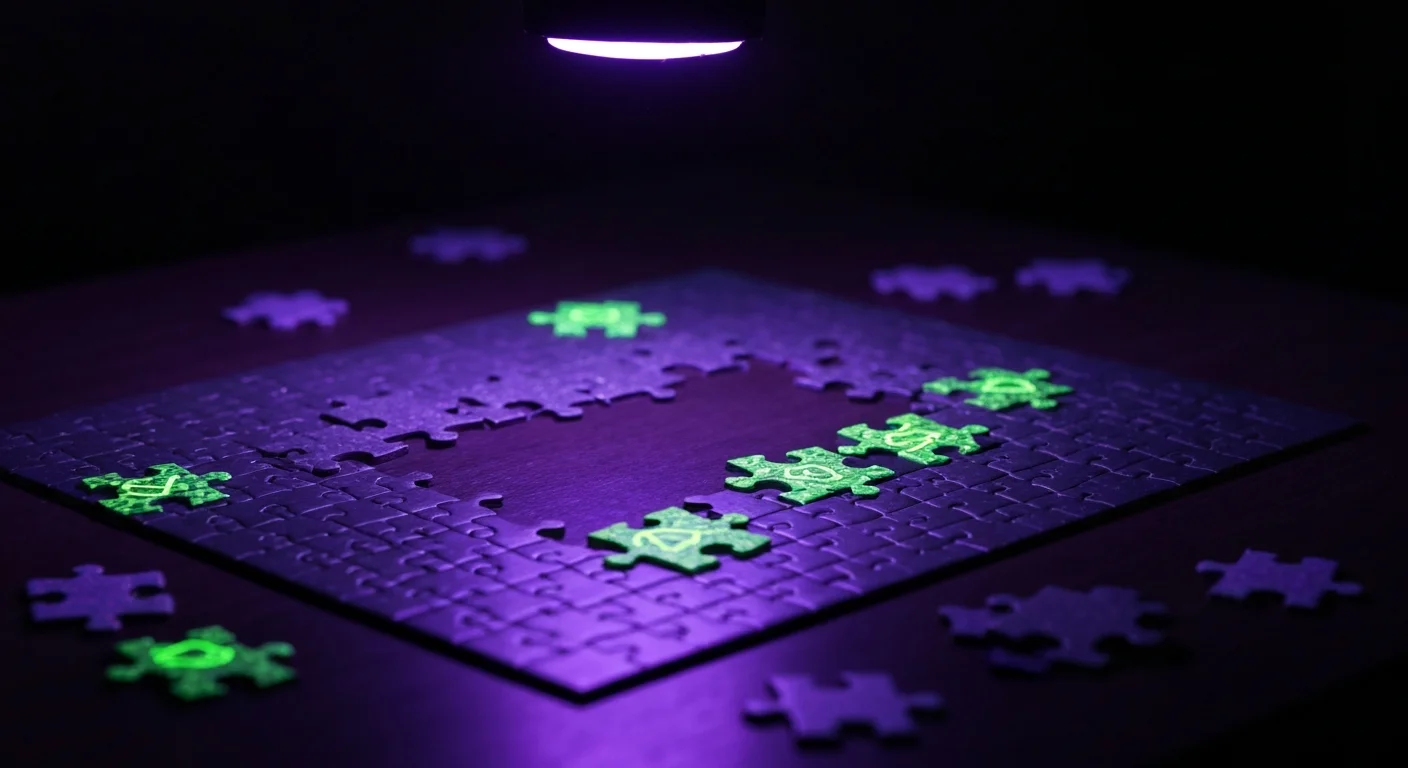
Questo gioco unisce due tipologie di puzzle in un'unica esperienza appagante. Prendete un normale puzzle (massimo 25-50 pezzi: non vorrete che occupi metà del tempo di gioco) e assemblatelo in anticipo. Sul puzzle completato, scrivete un messaggio nascosto usando un pennarello fluorescente, poi smontatelo di nuovo e spargete i pezzi.
I giocatori assemblano il puzzle pensando che rivelerà un indizio illustrato. E in effetti lo fa, ma si accorgeranno che l'immagine da sola non ha senso come codice. La vera risposta appare solo quando illuminano il puzzle completato con una luce nera, rivelando il messaggio fluorescente sottostante. Doppio enigma, doppia soddisfazione.
Mi piace usare questo espediente all'inizio di una partita perché il puzzle è un'attività familiare e non minacciosa che permette al gruppo di entrare in sintonia e collaborare. La rivelazione sotto la luce nera poi dà il tono: "niente in questa stanza è come sembra".“
29. Cifrario del libro
Se nella vostra escape room avete una libreria (o potete allestirne una), un cifrario a libri è elegante e sorprendentemente difficile da decifrare senza la chiave.
Scegli un libro specifico e scrivi una serie di triplette di numeri: numero di pagina, numero di riga, numero di parola. Ad esempio, "42-7-3" significa pagina 42, riga 7, terza parola. Ogni tripletta rappresenta una parola del messaggio. Mettile insieme e otterrai un indizio impossibile da decifrare senza prima trovare il libro giusto.
Lascia un piccolo indizio su quale libro usare: magari un titolo evidenziato in una lista di libri da leggere, oppure un segnalibro che sporge da un libro specifico. Il bello di questo enigma è che utilizza un oggetto reale in un modo che i giocatori non si aspetterebbero. Ho usato un libro di cucina, un libro di fiabe per bambini e persino un catalogo IKEA. Più il libro è inaspettato, più l'enigma sarà memorabile.

30. Miscelazione dei colori
Questo esercizio si basa sulla teoria dei colori di base ed è sorprendentemente complicato per gli adulti che non pensano ai colori primari dai tempi delle elementari.
Preparate tre contenitori trasparenti con acqua colorata: rossa, blu e gialla. Fornite un indizio che faccia riferimento ai colori secondari: "La prima cifra è il colore dell'invidia. La seconda è il colore di un tramonto. La terza è il colore della regalità". I giocatori dovranno indovinare: verde = rosso + giallo (la cifra indica la posizione dei due contenitori), arancione = rosso + giallo, viola = rosso + blu.
Si può rendere il gioco ancora più coinvolgente permettendo ai giocatori di mescolare i colori utilizzando piccoli bicchieri e contagocce. Quando ottengono la combinazione giusta, il colore ottenuto corrisponde a un campione su una scheda di riferimento che rivela un numero. È un'attività pratica, visiva e che assomiglia più a un esperimento scientifico che a un puzzle tradizionale, ed è proprio per questo che funziona così bene, soprattutto con i bambini.

Consigli per progettare enigmi di escape room di successo
Dopo anni di esperienza professionale nella progettazione di videogiochi, ecco i principi a cui torno sempre:
- Livelli di difficoltà misti. Alterna enigmi logici complessi con compiti più semplici. Se i giocatori incontrano tre enigmi difficili di fila, l'energia cala rapidamente.
- Incatena i tuoi puzzle. Le migliori escape room presentano enigmi che si collegano tra loro: risolverne uno fornisce il pezzo necessario per risolverne un altro. Questo crea un circolo virtuoso.
- Eseguire sempre prima un test. Ciò che sembra ovvio a te (che l'hai progettato) potrebbe essere impossibile a un occhio esterno. Fai provare il gioco ad almeno un gruppo di test.
- Integrare un sistema di suggerimenti. Anche i professionisti a volte si bloccano. Tenete a portata di mano 2-3 suggerimenti per ogni enigma, così da poter dare una mano senza rovinare la sorpresa.
- Rendilo personale. I puzzle che suscitano le reazioni più forti sono quelli che includono battute interne, foto personali o domande personalizzate. Un puzzle generico va bene; uno personalizzato è indimenticabile.
Ultimo, ma non per importanza
Usa la tua immaginazione. Porta la tua creatività a un livello superiore. Prova ad aggiungere idee insolite. Risveglia il bambino che è in te.
Il mio gruppo di escape room ha subito percepito quanto amore avessi messo nel gioco. Non era decorato con oggetti costosi, non includeva gadget sofisticati e non era perfetto come in "1001: The Phantom Thieves". Ma tutti noi, me compreso, ci siamo divertiti un mondo, meglio di qualsiasi escape room professionale in cui fossimo mai stati. Energia positiva, sorrisi, risate, foto divertenti del mio gruppo appese in giro per la stanza, battute interne intessute tra le righe degli enigmi... non si può vivere un'esperienza simile da nessun'altra parte se non nella propria escape room fai-da-te.
Spesso le persone non si rendono conto di quanto siano creative finché non si dedicano con passione a qualcosa che amano. Quindi, create qualcosa di cui i vostri amici parleranno per anni.

Letture correlate
- 25 temi creativi per escape room fai da te
- Come organizzare una festa di compleanno a tema escape room in casa
- Escape Room Team Building: la guida completa
I nostri kit di gioco pronti per il gioco
Scegliete un gioco, stampatelo e giocate: è semplicissimo!
-
Il Laboratorio del Professore Soen
Il prezzo originale era: $24.90.$19.90Il prezzo attuale è: $19.90.Età: 9-1345-60 minuti2-5 bambini -







Lascia un commento