







I bambini non hanno bisogno di schede didattiche e fogli di lavoro per sviluppare le proprie capacità cognitive. Hanno bisogno di giochi che li facciano pensare senza che se ne accorgano. I migliori giochi per stimolare la mente celano la risoluzione dei problemi, la memoria, la logica e il pensiero creativo all'interno di qualcosa che sembra semplicemente divertente.
Come persona che progetta enigmi delle escape room Per lavoro, ho passato anni a studiare cosa rende una sfida coinvolgente e cosa, al contrario, frustrante. Gli stessi principi si applicano ai giochi per bambini: la difficoltà dovrebbe essere quella giusta, abbastanza impegnativa da risultare appagante, ma abbastanza facile da invogliare a continuare a provare.
Ecco 15 giochi per bambini che stimolano la mente e sviluppano concretamente le capacità mentali, suddivisi in base al tipo di pensiero che rafforzano.
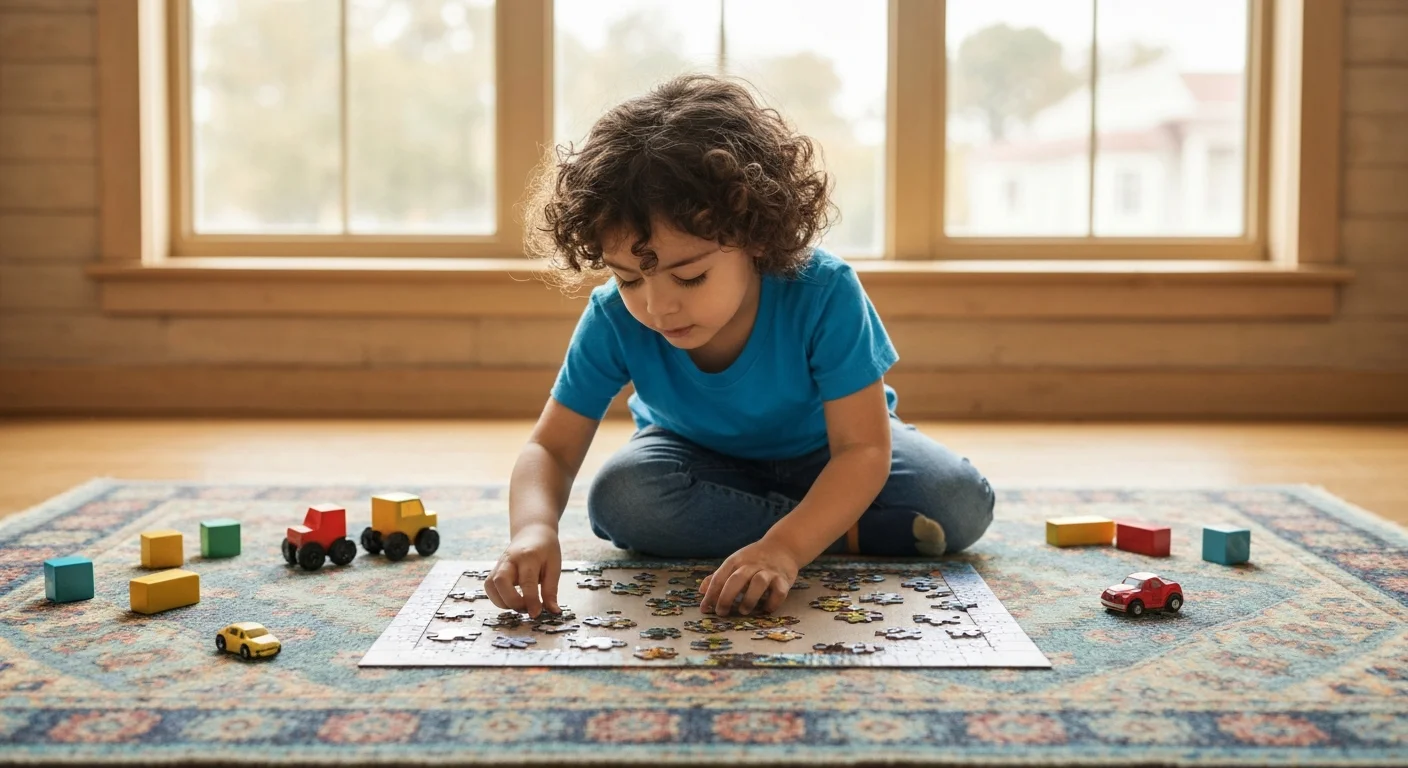
Giochi di logica e di risoluzione dei problemi
Questi giochi sviluppano il tipo di pensiero che aiuta i bambini ad affrontare le sfide passo dopo passo, che si tratti di un problema di matematica, di una situazione sociale o di capire come funzionano le cose.
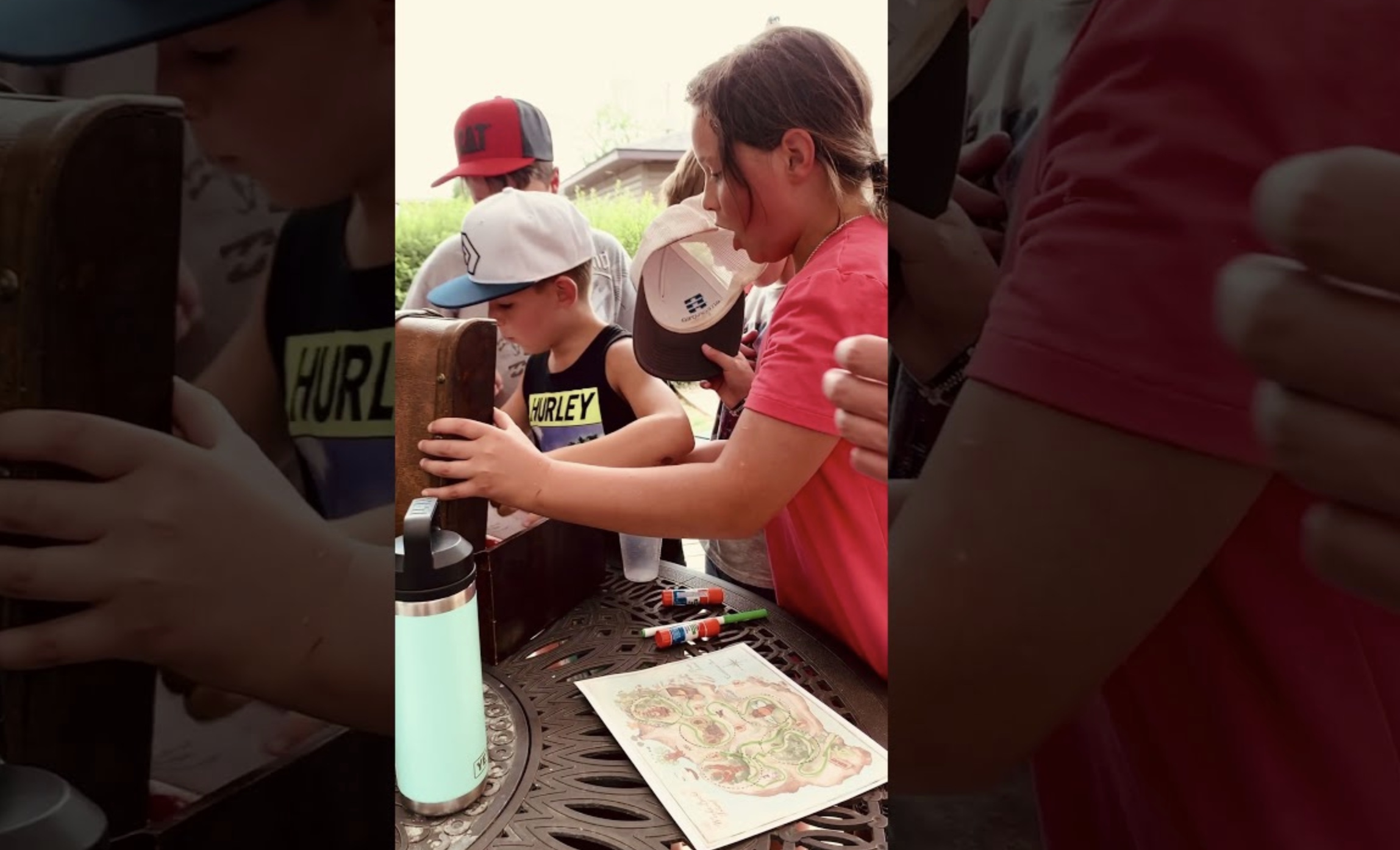
1. Enigmi delle Escape Room
A kit per escape room stampabile Si tratta essenzialmente di una raccolta di giochi per la mente, presentati sotto forma di storia. I bambini devono decifrare codici, cifrari, collegare indizi e risolvere enigmi a più fasi, il tutto contro il tempo. Il gioco stimola contemporaneamente la logica, il riconoscimento di schemi, il ragionamento spaziale e il lavoro di squadra.
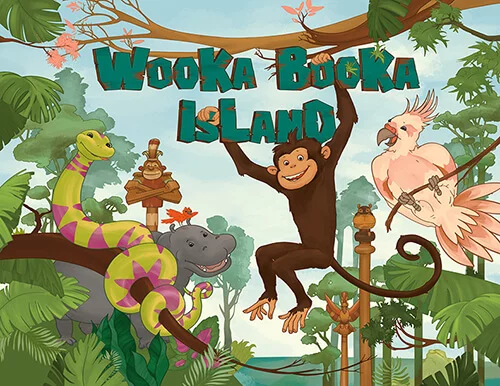
Abbiamo progettato giochi per tutte le età: L'Isola Di Wooka Booka (età 5-8) utilizza puzzle da colorare e abbinare, La stanza segreta di Houdini (età 9-13) introduce illusioni ottiche e deduzione a più fasi e Gli spietati del grande schermo (16+) è un giallo completo che mette alla prova anche gli adulti. Se vuoi provare a crearne uno tuo, il nostro Tutorial per creare una escape room fai da te ti guida passo passo.
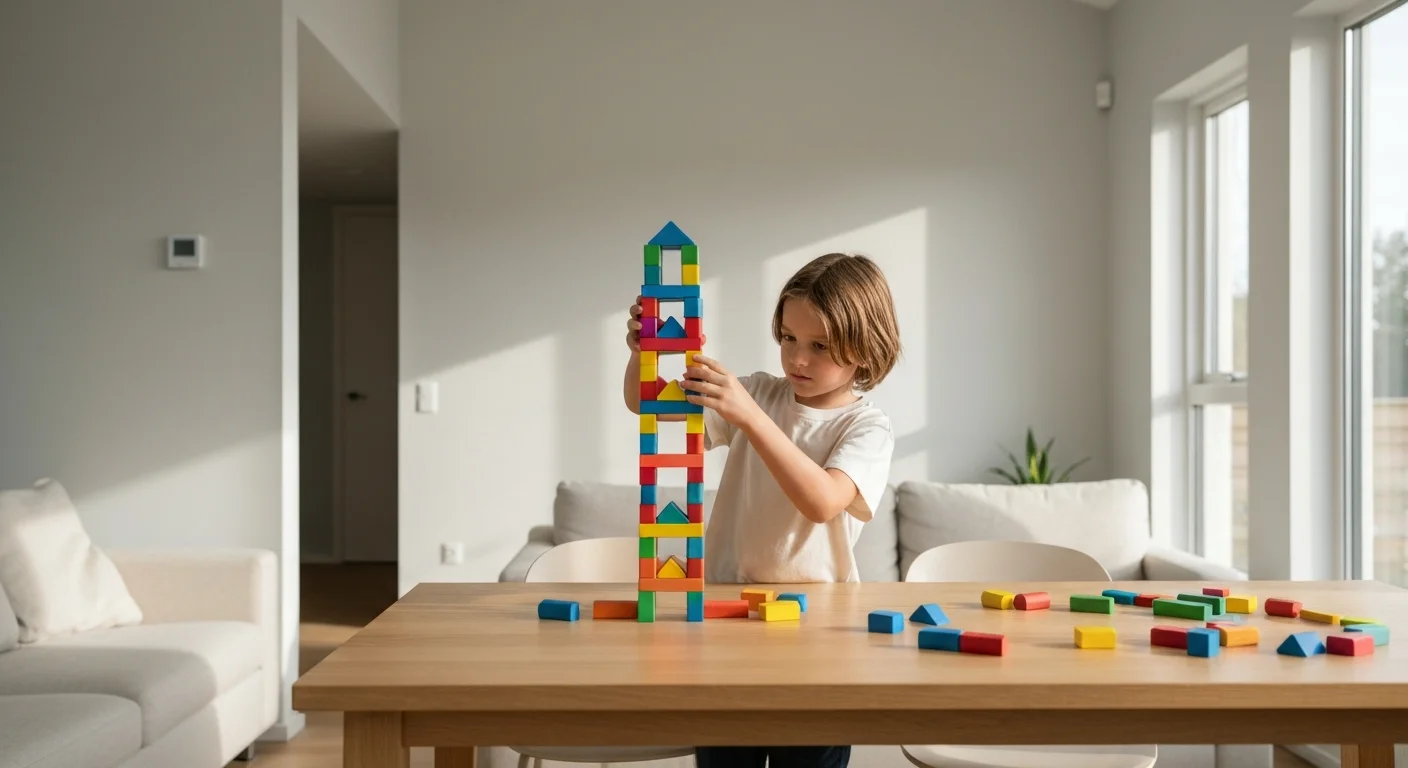
2. Elementi costitutivi e costruzioni
LEGO, blocchi di legno, tessere magnetiche: qualsiasi giocattolo da costruzione che permetta ai bambini di costruire, demolire e ricostruire. Proponete sfide specifiche: "Costruisci un ponte che regga questo libro." "Costruisci la torre più alta che riesci a costruire." "Costruisci una casa con esattamente 20 blocchi." Il vincolo stimola la capacità di risolvere i problemi e il feedback fisico (cade = riprova) insegna in modo naturale il pensiero per tentativi ed errori.
Per i bambini più piccoli (2-4 anni), impilare e incastrare i bicchieri funziona secondo lo stesso principio, ma a un livello più semplice: capire quale bicchiere si incastra dentro quale è un vero e proprio esercizio di ragionamento spaziale.
3. Sfide del percorso a ostacoli
Costruisci un percorso usando cuscini, sedie e nastro adesivo. Ma ecco il tocco di genialità: dai ai bambini una mappa del percorso e chiedi loro di pianificare il tragitto prima di iniziare. Oppure stabilisci delle regole, come ad esempio "in questa sezione puoi toccare il pavimento solo con un piede", che richiedano di pensare in anticipo. La pianificazione e la strategia trasformano un'attività fisica in un'attività cognitiva.
4. Non tre dello stesso tipo
Disponete gruppi di quattro oggetti. Tre di essi condividono una caratteristica comune, mentre uno è diverso. "Mela, banana, carota, uva": la carota è l'elemento estraneo (è una verdura). Iniziate con esercizi semplici per i bambini più piccoli e aumentate gradualmente la difficoltà: "pianoforte, chitarra, batteria, violino": tutti strumenti musicali, ma la batteria è a percussione mentre gli altri sono a corda o a tastiera. Questo esercizio sviluppa la capacità di classificazione e il pensiero analitico.
Giochi di memoria e osservazione
La memoria non si limita alla semplice memorizzazione: consiste nel prestare attenzione, notare i dettagli e conservare le informazioni sotto pressione. Questi giochi allenano tutte e tre queste capacità.
5. Gioco di memoria facciale
Mostrate la foto di un volto per 30 secondi. Poi rimuovetela. Fate delle domande: Di che colore erano i suoi occhi? Portava gli occhiali? Aveva gli orecchini? Stava sorridendo? Iniziate con i tratti più evidenti e passate a quelli più sottili. Potete usare foto di famiglia, immagini di riviste o immagini di volti prese da internet. I bambini diventano sorprendentemente competitivi su chi ricorda più dettagli.
6. I Spy
“"Vedo qualcosa di più piccolo della mia mano e che ha tre colori." Questo classico esercizio allena l'osservazione, ovvero la capacità di esaminare un ambiente e notare dettagli che sfuggono agli altri. Per lo sviluppo cerebrale in particolare, è utile andare oltre i semplici colori: descrivere gli oggetti in base alla loro funzione, al materiale o alla relazione con altri oggetti. "Vedo qualcosa che non esisterebbe senza l'elettricità."”
7. Trova quella cosa
Disponete 10-15 piccoli oggetti su un vassoio. Date ai bambini 30 secondi per osservarli. Coprite il vassoio. Rimuovete un oggetto. Scoprite di nuovo il vassoio: cosa manca? Questo è un puro allenamento della memoria di lavoro ed è facilmente adattabile a diverse fasce d'età: aggiungete più oggetti per i bambini più grandi, rimuovetene due invece di uno, oppure riorganizzate gli oggetti rimanenti per creare confusione.
8. Caccia al tesoro
Le cacce al tesoro combinano memoria (ricordare la lista), osservazione (individuare gli oggetti) e strategia (decidere dove cercare). Crea una lista di 10-15 oggetti da trovare in casa o in giardino. Per stimolare la mente, dai degli indizi invece di usare i nomi diretti: "Trova qualcosa che mantenga il cibo al fresco" invece di "Trova il frigorifero". La fase di traduzione aggiunge un carico cognitivo.
Giochi di lingua e di parole
I giochi linguistici sviluppano il vocabolario, la fluidità verbale e la capacità di pensare rapidamente con le parole: abilità che si traducono direttamente in lettura, scrittura e comunicazione.
9. Dizionario dei sinonimi e contrari umano
Di' una parola. I bambini devono trovare il maggior numero possibile di sinonimi in 30 secondi. "Felice" → contento, gioioso, allegro, deliziato, soddisfatto, contento... Questo metodo arricchisce il vocabolario più velocemente di qualsiasi scheda didattica, perché i bambini cercano attivamente le parole nella loro memoria, non le leggono passivamente.
Per una versione più avanzata, passa agli antonimi oppure gioca alle "catene di associazioni di parole", in cui ogni parola deve essere collegata alla precedente.
10. Caccia alle parole
Scrivi una parola lunga su un foglio di carta — "STRAORDINARIO" — e sfida i bambini a trovare quante più parole più brevi possibili nascoste al suo interno. Extra, ordinario, pioggia, treno, frastuono, strada, rospo... Imposta un timer di 3 minuti e conta i risultati. Questo esercizio allena contemporaneamente il riconoscimento di schemi e il vocabolario. Alcune parole ne nascondono sorprendentemente tante — "RINGRAZIAMENTO" ne contiene oltre 200.
11. Storia in una sola parola
Fate un giro in cerchio, ognuno aggiungendo esattamente una parola per costruire una storia. "Il — cane — ha mangiato — il mio — enorme — cappello — viola." Questo costringe i bambini ad ascoltare, prevedere e adattarsi in tempo reale. Le storie prendono sempre una piega assurda, che è proprio lo scopo. Sviluppa l'improvvisazione verbale e la capacità di costruire frasi in modo collaborativo.
Giochi di strategia e matematica
Giochi che implicano numeri, strategia e pianificazione: abilità che sviluppano il pensiero matematico e la capacità decisionale.
12. Die Wars
Ogni giocatore lancia due dadi ed esegue un'operazione sui numeri ottenuti: addizione per i più piccoli, moltiplicazione per i più grandi. Vince chi ottiene il risultato più alto. Vince chi arriva per primo a 10. È veloce, competitivo e trasforma la pratica della matematica in un gioco. Per i giocatori più esperti: lanciate tre dadi e usate due operazioni a vostra scelta (addizione, sottrazione, moltiplicazione) per ottenere il risultato più alto possibile.
13. 20 domande
Una persona pensa a un oggetto. Gli altri ricevono 20 domande a cui si può rispondere con sì o no per identificarlo. L'elemento strategico: ogni domanda deve eliminare il maggior numero possibile di possibilità. "È vivo?" elimina metà dell'universo all'istante. "È un pinguino?" alla seconda domanda è uno spreco. I bambini che giocano regolarmente a questo gioco migliorano il pensiero strutturato e la capacità di verificare le ipotesi.
14. Strategia del gioco di carte
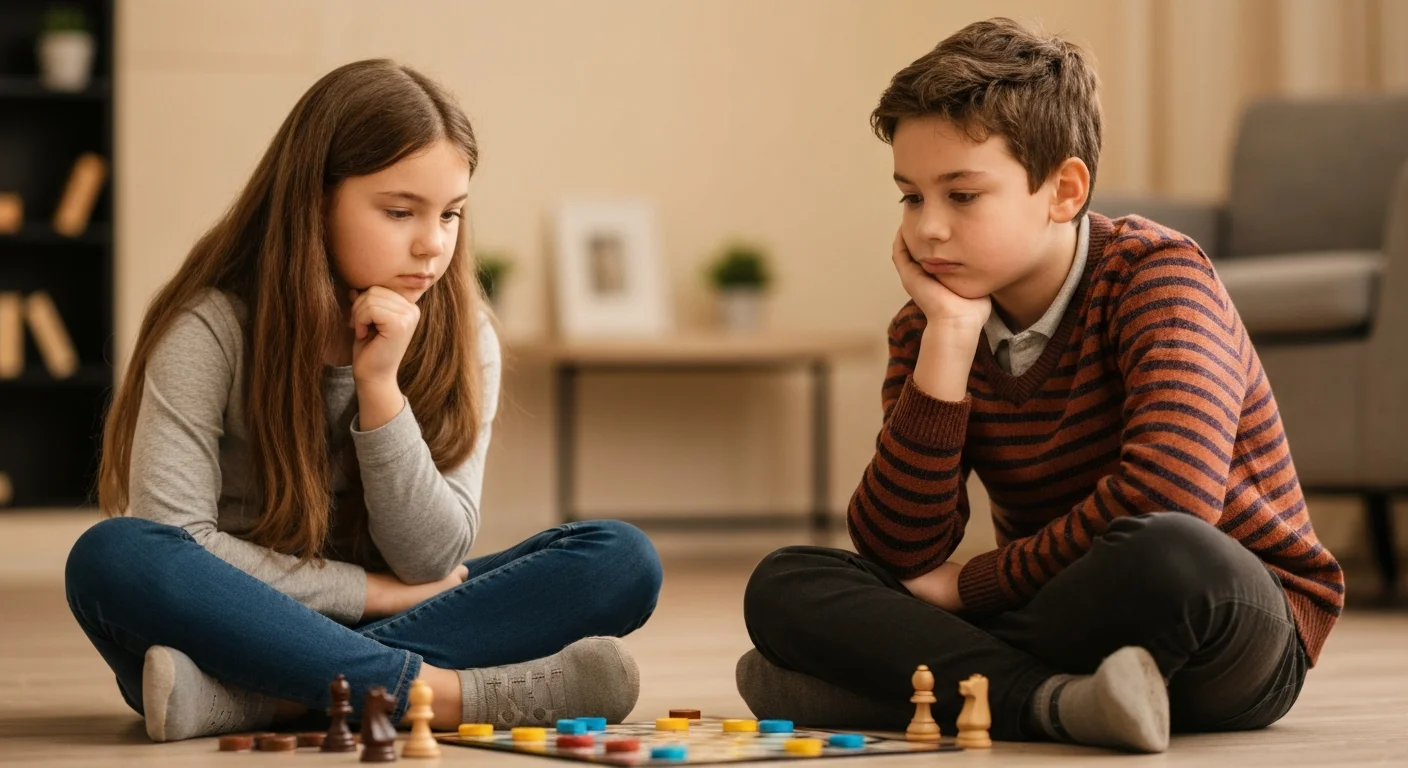
Giochi di carte come Uno, Set e Skip-Bo insegnano il riconoscimento di schemi, la pianificazione strategica e la probabilità senza bisogno di istruzioni formali. "Set", in particolare, è un gioco che stimola molto la mente: i giocatori devono identificare gruppi di tre carte in cui ogni caratteristica (colore, forma, numero, sfumatura) è uguale o diversa per tutti gli elementi. È ingannevolmente difficile e allena l'elaborazione visiva degli schemi.
15. Scenari di gioco di finzione
Non sottovalutate il gioco di finzione come attività per stimolare la mente. Quando un bambino gestisce un ristorante immaginario, si occupa degli ordini (memoria), dà il resto (matematica), risolve i reclami dei clienti (ragionamento sociale) e improvvisa dialoghi (linguaggio). Allestite un negozio, un ospedale o una scuola immaginari e osservate come emergono naturalmente complesse abilità cognitive, soprattutto quando più bambini negoziano insieme ruoli e regole.
Letture correlate
I nostri kit di gioco pronti per il gioco
Scegliete un gioco, stampatelo e giocate: è semplicissimo!
-
Il Laboratorio del Professore Soen
Il prezzo originale era: $24.90.$19.90Il prezzo attuale è: $19.90.Età: 9-1345-60 minuti2-5 bambini -


Perché i giochi per la mente sono più importanti di quanto pensi
Ogni gioco in questa lista esercita un'abilità cognitiva che si traduce in prestazioni nel mondo reale: a scuola, nelle situazioni sociali e, in definitiva, sul lavoro. Ma il motivo per cui i giochi per allenare la mente sono migliori dei fogli di lavoro o delle app educative non è il contenuto, bensì il contesto.
Quando i bambini giocano, il loro cervello si trova in uno stato di coinvolgimento rilassato: curioso, motivato e aperto alle sfide. Questo è lo stato ottimale per l'apprendimento. Le schede di lavoro creano stress. Gli schermi creano passività. I giochi creano flusso. Ed è nel flusso che avviene il vero sviluppo cognitivo.
Iniziate con uno o due giochi da questa lista. Giocateci regolarmente. Osservate i progressi di vostro figlio. Poi introducete la sfida successiva. Questa progressione, da "Non ci riesco" a "Ce l'ho fatta", è ciò che contribuisce a formare pensatori sicuri e capaci.


Lascia un commento