15 giochi educativi per bambini che rendono l'apprendimento davvero divertente
- attività
- 15
- categorie
- 4
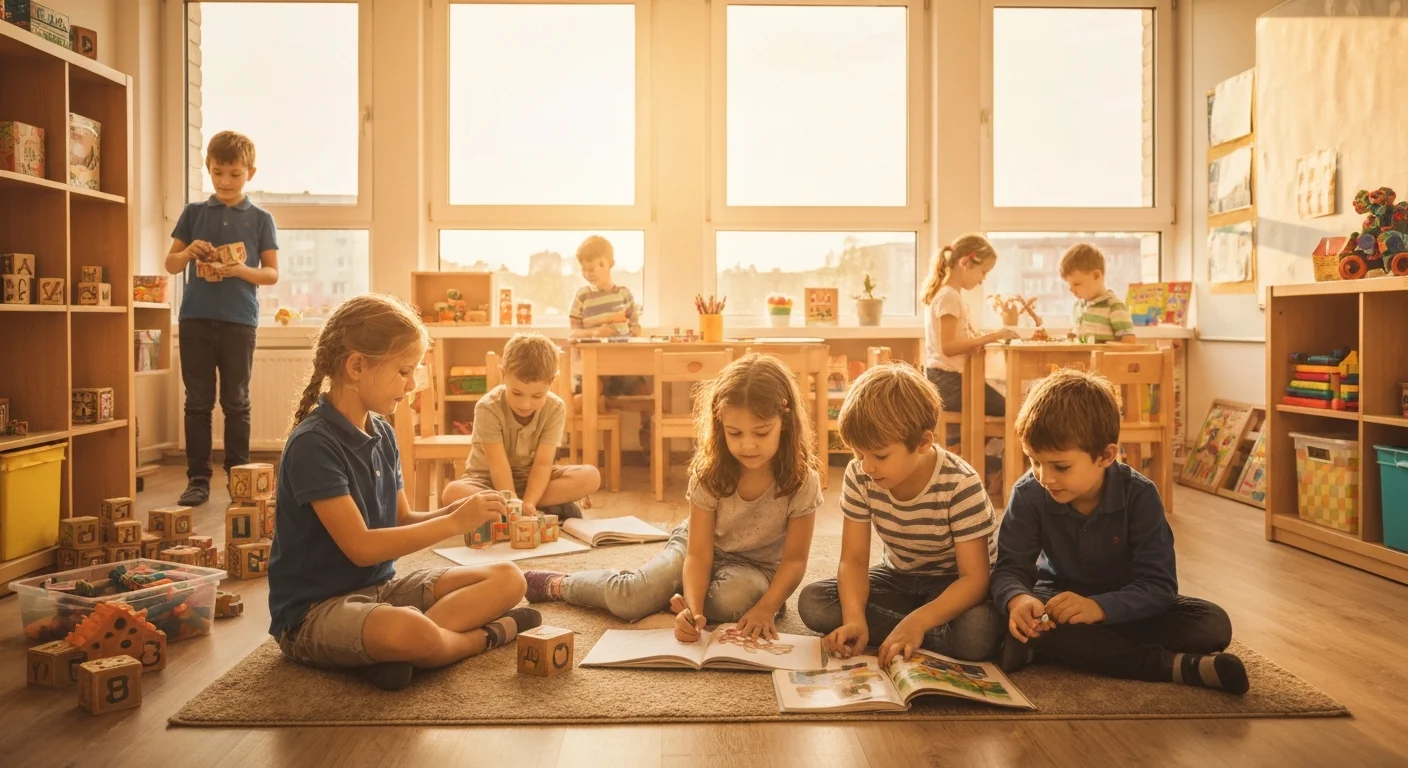
I migliori giochi educativi non sembrano affatto educativi. I bambini pensano semplicemente di giocare — e intanto si allenano nella lettura, nella matematica, nel pensiero critico e nella comunicazione senza mai aprire un libro di testo. Il trucco è tutto qui: un apprendimento travestito da divertimento.
Ho passato anni a progettare enigmi da escape room che insegnano a risolvere i problemi giocando, e qui vale lo stesso principio. Quando la sfida è divertente, i bambini si impegnano molto più di quanto farebbero con qualsiasi compito a casa. Ecco 15 giochi educativi, organizzati in base a ciò che insegnano davvero.
Giochi di lettura e linguaggio
5 attività1. Detective delle parole
Scegli una categoria (animali, cibo, Paesi) e una lettera. Ognuno ha 60 secondi per scrivere quante più parole possibile che iniziano con quella lettera e rientrano nella categoria. Confrontate le liste — le parole uniche valgono doppio. Il gioco arricchisce il vocabolario e allena la capacità di recuperare le parole sotto pressione, cosa che si traduce direttamente in una scrittura più fluida.
2. Indizi di vocabolario
Una persona sceglie una parola dal dizionario e dà indizi sempre più precisi finché qualcuno non la indovina. Indizio 1: "È un sostantivo." Indizio 2: "È qualcosa che puoi tenere in mano." Indizio 3: "Ha delle pagine." Indizio 4: "Si legge." Vince chi la indovina con il minor numero di indizi. I bambini arricchiscono il vocabolario sentendo le parole usate in un contesto, non memorizzandole.
3. Lettere mescolate
Scrivi una parola su un foglio, ritagliala lettera per lettera e mescola i pezzi. I bambini rimettono in ordine le lettere per scoprire la parola. Inizia con semplici parole di 4 lettere per i più piccoli e passa via via a parole più lunghe. Per la versione di gruppo, fate a gara a ricomporre la stessa parola — chi finisce per primo la grida ad alta voce. Insegna l'ortografia attraverso il riconoscimento di schemi invece che con la memorizzazione meccanica.
4. L'impiccato
Il classico gioco di ortografia con carta e matita. Una persona sceglie una parola e disegna un trattino per ogni lettera; chi indovina propone una lettera alla volta. A ogni errore si aggiunge un pezzo del corpo all'impiccato. I bambini assorbono le regolarità nella frequenza delle lettere (la E è la lettera più comune, la Q è quasi sempre seguita dalla U) senza che nessuno gliele spieghi esplicitamente. Per un valore didattico in più, usa le parole che stanno studiando a scuola in questo periodo.
5. Storia a catena
Ogni persona aggiunge una frase alla storia. La variante: bisogna includere una parola presa dal "barattolo delle parole", una ciotola con parole nuove o difficili scritte su bigliettini di carta. I bambini imparano parole nuove usandole in un contesto creativo, ed è così che il vocabolario si fissa davvero. Più la storia è assurda, meglio si ricordano le parole.
Giochi di matematica e numeri
3 attività6. Totale a scalare
Tutti partono da 100 punti. A turno si tira un dado e si sottrae il numero dal proprio totale. Vince chi arriva esattamente a zero — ma se lo superi, rimbalzi indietro verso l'alto. Il gioco insegna la sottrazione, il calcolo mentale e il pensiero strategico (conviene tirare o giocare sul sicuro?). Per i più grandi, usate due dadi e moltiplicate invece di sottrarre.
7. Matematica al supermercato
Allestisci un finto supermercato con prodotti e cartellini dei prezzi. Dai ai bambini soldi finti e una lista della spesa. Devono comprare tutto ciò che è sulla lista, calcolare il totale e assicurarsi di avere abbastanza soldi. Per i più grandi, aggiungi gli sconti ("20% su tutta la frutta") e il resto da dare. Matematica del mondo reale in un contesto di gioco — e si trasferisce direttamente al supermercato vero.
8. Caccia al tesoro delle misure
Dai ai bambini un righello o un metro a nastro e una lista di sfide: "Trova qualcosa che sia lungo esattamente 10 centimetri." "Trova qualcosa più alto di 1 metro." "Misura la larghezza del tavolo della cucina." Imparano le unità di misura attraverso l'esperienza concreta invece che dai diagrammi di un libro di testo. Il formato della caccia al tesoro li tiene in movimento e coinvolti.
Giochi di pensiero critico e scienza
4 attività9. Sfida escape room
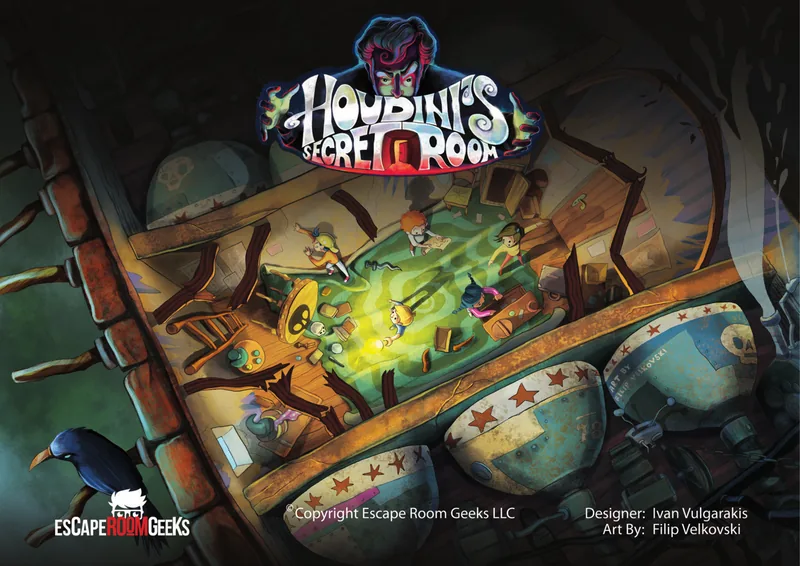
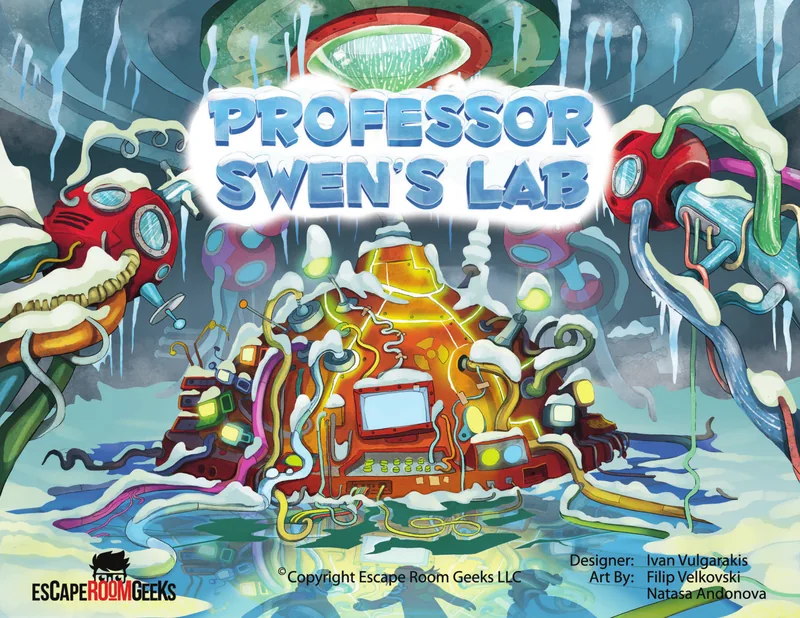
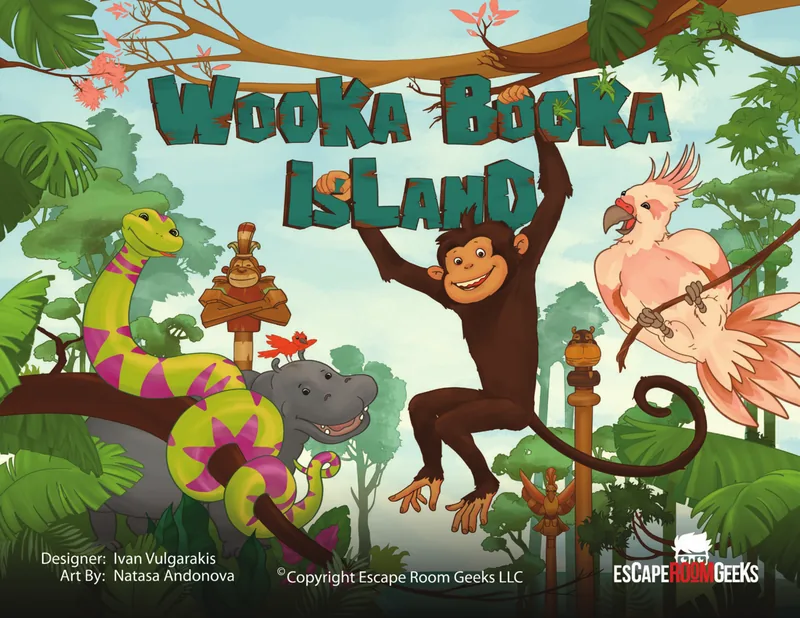
Le escape room stampabili sono tra i giochi educativi più completi in circolazione. In 45-60 minuti i bambini si allenano nella deduzione logica, nel riconoscimento di schemi, nella comprensione del testo, nella matematica, nel lavoro di squadra e nella risoluzione creativa dei problemi — il tutto dentro una narrazione coinvolgente.
Abbiamo progettato kit che gli educatori usano in contesti scolastici: L'Isola Di Wooka Booka per bambini dai 5 agli 8 anni, Il Laboratorio del Professore Soen per bambini dai 9 ai 13 anni (con contenuti su innovatori realmente esistiti), e Progetto Dino per la paleontologia e la storia. Insegnanti e genitori che praticano l'istruzione parentale li usano regolarmente come attività di approfondimento.
10. Indovina cosa vedo, edizione scienza
Rivisita "Indovina cosa vedo" con descrizioni a tema scientifico: "Vedo qualcosa che un tempo era vivo" (una sedia di legno). "Vedo qualcosa che conduce l'elettricità" (una forchetta di metallo). "Vedo qualcosa che galleggia" (un tappo di sughero). I bambini imparano le proprietà dei materiali, le basi della biologia e alcuni concetti di fisica attraverso l'osservazione e la discussione. Il momento "aha" in cui si rendono conto che il legno un tempo era un albero — quello è vero apprendimento.
11. Artista bendato
Benda un giocatore. Un altro giocatore descrive un oggetto (senza nominarlo) mentre il giocatore bendato prova a disegnarlo basandosi solo sulla descrizione. "È tondo in basso, con una parte sottile che sale e foglie piatte in cima" — è un fiore. Il gioco insegna la comunicazione precisa (a chi descrive) e la visualizzazione (a chi disegna). Sono entrambe capacità di pensiero critico difficili da allenare in altri modi.
12. Galleggia o affonda
Riempi d'acqua una bacinella o un catino. Raccogli oggetti di casa: una moneta, un tappo di sughero, una graffetta, una mela, una spugna, una paperella di gomma. Prima di provare ciascun oggetto, i bambini fanno una previsione: affonderà o galleggerà? Poi si verifica. Il formato previsione-poi-verifica è letteralmente il metodo scientifico: ipotesi, esperimento, risultato. È il modo più naturale per insegnare il pensiero scientifico ai bambini dai 3 ai 7 anni.
Giochi creativi e artistici
3 attività13. Pictionary
Disegna una parola mentre gli altri indovinano. Usa categorie didattiche: disegna un evento storico, un concetto scientifico, un elemento geografico, una parola del vocabolario. Tradurre un concetto astratto in una rappresentazione visiva rafforza la comprensione molto più che leggere una definizione. E la pressione del tempo lo rende emozionante invece che scolastico.
14. Tombola (edizione didattica)
Prepara delle cartelle della tombola con contenuti didattici in ogni casella — operazioni matematiche (i bambini le risolvono per trovare il numero), definizioni di vocabolario (i bambini le abbinano alla parola), bandiere di Paesi o nomi di animali. È lo stesso amatissimo formato di gioco, ma ogni casella richiede un po' di ragionamento. Online si trovano generatori gratuiti di cartelle — personalizzali con la materia da ripassare.
15. Costruisci e spiega
Dai ai bambini materiali da costruzione (mattoncini, cartone, nastro adesivo) e una sfida: "Costruisci qualcosa che risolva un problema." Poi devono presentare la loro creazione al gruppo e spiegare come funziona. Il gioco unisce il pensiero ingegneristico (costruire), la risoluzione creativa dei problemi (progettare) e le capacità comunicative (presentare). È in pratica una mini fiera della scienza in 20 minuti, e i bambini che odiano scrivere costruiranno e parleranno volentieri delle loro invenzioni per un'ora.
Letture correlate
Far durare l'apprendimento attraverso il gioco
La ricerca dimostra costantemente che i bambini imparano più in fretta e ricordano di più quando sono coinvolti attivamente invece di ricevere le informazioni passivamente. I giochi offrono quel coinvolgimento in modo naturale — la competizione, l'interazione sociale e il divertimento creano il contesto emotivo che fa sedimentare l'apprendimento.
Il segreto è la costanza: meglio uno o due giochi educativi con regolarità che dieci concentrati in un solo pomeriggio. Una partita serale all'impiccato con le parole da imparare, una sfida escape room alla settimana o una sessione quotidiana di "Indovina cosa vedo" costruiscono competenze che si accumulano nel tempo. Fanne un'abitudine, rendilo divertente e guarda i voti migliorare.